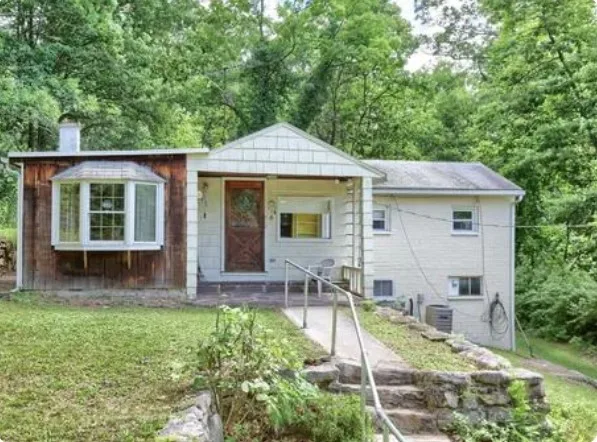
Inherited a Memphis property but feeling stuck between probate, family opinions, and repair costs? This plain-language guide walks you through ownership, legal steps, and your selling options.
You Inherited a House. Now What?
If you're reading this, you've probably already discovered that inheriting a home can feel like both a blessing and a headache. There are legal hoops to jump through, family members with different opinions, and real money on the line.
Feeling overwhelmed your first time through this process is completely normal. This guide will help you understand the key pieces: probate, ownership, dealing with other heirs, and deciding whether to fix, rent, or sell.
Step 1: Confirm Who Actually Owns the Property
Before you can do anything with the house, you need to know who has legal control.
Start by checking:
- The will (if one exists): Does it name who gets the house? Is there an executor appointed to handle the estate?
- The deed and county records: Whose name is on the title right now? Is it still in the deceased person's name, or has someone already transferred it?
If the property is still titled in the name of the person who passed away, you'll usually need some form of probate before a sale can happen. A quick call with a local probate attorney can clarify whether you're allowed to list or sell now, or if you need certain court approvals first.
Step 2: Get a Basic Handle on Probate in Memphis
Probate sounds complicated, but its goal is simple: make sure debts and taxes get paid and assets (like the house) go where they're supposed to go.
Key things to know:
- The court confirms the will or decides how assets are divided if no will exists
- An executor or personal representative gets appointed
- Debts, taxes, and final expenses are identified
- Whatever remains is distributed to heirs
There are different levels of probate depending on the estate's size and complexity. Some are fairly straightforward. Others take more time and court oversight.
Knowing which type of probate you're dealing with will help you set realistic expectations about how soon you can close a sale.
Step 3: Talk Openly With Other Heirs
If you're the only heir, decisions are simpler. If not, communication becomes critical.
Common situations that create friction:
- One heir wants to live in the house; another wants to sell
- Some want to keep it as a rental; others don't want the responsibility
- No one wants the house, but people disagree about timing or price
To avoid long-term conflict:
- Schedule a call or meeting with all heirs if possible
- Lay out the options: keep, rent, or sell
- Be honest about who has the time and money to manage the property
In some cases, one person may buy out the others. In others, everyone agrees to sell and split the proceeds. If talks get heated, having the executor or an attorney present can help keep things on track.
Step 4: Evaluate the House's Condition and Contents
Next, you'll want a clear picture of what you actually inherited.
Walk through and note:
- Condition: Roof age, leaks, soft spots, water stains, electrical and plumbing age, general state of kitchen and baths
- Contents: Personal belongings to sort, furniture that could be sold or donated, important documents to keep
If the property is full of items, factor in the time and possible cost of cleaning it out. This can affect whether you want to invest energy in fixing it up or lean toward a more direct, as-is sale.
Step 5: Get a Realistic Sense of Value
To make a good decision, you need to know approximately what the house is worth.
You can:
- Look up recent sold prices for similar homes in the same neighborhood
- Ask a local real estate agent for a comparative market analysis
- Consider an independent appraisal if the estate needs an official value for legal or tax reasons
Remember, buyers will compare your property to others on the market. A dated or fixer-upper home won't bring the same price as a fully renovated one down the street. Try to separate sentimental value from market value when you look at numbers.
Step 6: Decide: Keep, Rent, or Sell
Once you understand ownership, probate status, condition, and approximate value, you can choose one of three primary paths.
Keep It – You or another heir moves into the house.
Good if someone wants to make it their home and can afford taxes, insurance, and repairs.
Rent It Out – You keep the property as an investment.
Good if at least one heir is willing to manage tenants and everyone agrees to own something together long-term.
Sell It – You convert the value into cash.
Good if no one wants to live there or manage it, repairs feel overwhelming, or heirs prefer a clean division of funds.
If you choose to sell, you then decide whether to clean and fix it up for a traditional listing or sell more quickly as-is to a local buyer who handles the work.
Step 7: Think About Tax Implications
Taxes are an important but often misunderstood part of selling inherited property. Always confirm details with a tax professional, but here are general concepts:
- Step-up in basis: The property's tax basis often resets to its fair market value at the date of death. This can significantly reduce taxable gain when you sell.
- Capital gains: If the property value rises after you inherit it and you sell for more than that stepped-up basis, the difference may be subject to capital gains tax.
- Other taxes: Estate taxes and state-specific rules may also come into play depending on the overall estate.
A short conversation with a CPA can save you from unpleasant surprises later.
Step 8: Consider an As-Is or Direct Sale Option
Sometimes, the most practical route is to sell without major repairs or a long listing process.
An as-is sale to a local buyer can be helpful if:
- The house is very dated or needs costly repairs
- Out-of-state heirs can't easily manage contractors or multiple trips
- You want to avoid months of showings, negotiations, and updates
How this approach works:
- A local buyer looks at the property (photos, walk-through, or both)
- You get a cash or flexible-terms offer that accounts for needed repairs
- The sale closes through a title company, with proceeds going to the estate or directly to heirs
It's not the only choice, but it can simplify things when the house feels more like a burden than a blessing.
How Spencer Buys Houses Helps Families
If you've reached the point where you're ready to sell an inherited Memphis property and want a straightforward option, Spencer Buys Houses can help.
What we offer:
- Purchase inherited homes in many conditions—clean, cluttered, or in need of major repairs
- Work with heirs, executors, and attorneys to respect the probate process
- Provide clear, written offers so you can see exactly what you'd net
- Coordinate closing through a local title company to handle documents and payoff details
You're never locked in just by talking to us. Our goal is to give you a real, concrete option to compare against listing with an agent or keeping the home.
Frequently Asked Questions
Q: Do we have to finish probate before selling?
A: Often, yes, especially if the property is still in the deceased person's name. In some cases, a buyer can be found while probate is ongoing, but the closing will depend on court approvals and proper authority.
Q: What if some heirs want to sell and others don't?
A: You may need to negotiate a buyout within the family or, in tough cases, seek legal guidance. Open communication early in the process can make compromise easier.
Q: Do we have to empty the whole house before selling?
A: For a traditional listing, cleaning out most personal belongings is usually recommended. For an as-is sale to a local buyer, some will purchase with contents still inside and handle clean-out themselves.
Q: Is it worth fixing the house up before we sell?
A: It depends on repair costs, available cash, and how quickly you want to be done. Light cosmetic improvements can sometimes help. Large structural or system repairs may not pay off if you're trying to close soon.
Q: Can out-of-state heirs sell a Memphis property without being there?
A: Often yes. Much of the process can be handled with electronic signatures, scanned documents, and coordinated closings through a title company.
Ready to Explore Your Options?
You don't have to navigate probate, repairs, and family dynamics alone. A direct, as-is sale could be your cleanest path forward.
Call or text Spencer Shadrach at (901) 979-9848 or visit SpencerBuysHouses.com for a no-obligation cash offer.
Hashtags:
#SellInheritedHouseMemphis #InheritedProperty #ProbateSale #MemphisRealEstate #CashHomeBuyer #EstateSale #WeBuyHousesMemphis #FamilyLegacy #AsIsSale
Read More-https://www.spencerbuyshouses.com/blog/sell-my-inherited-house-memphis-2026-guide-for-families/