
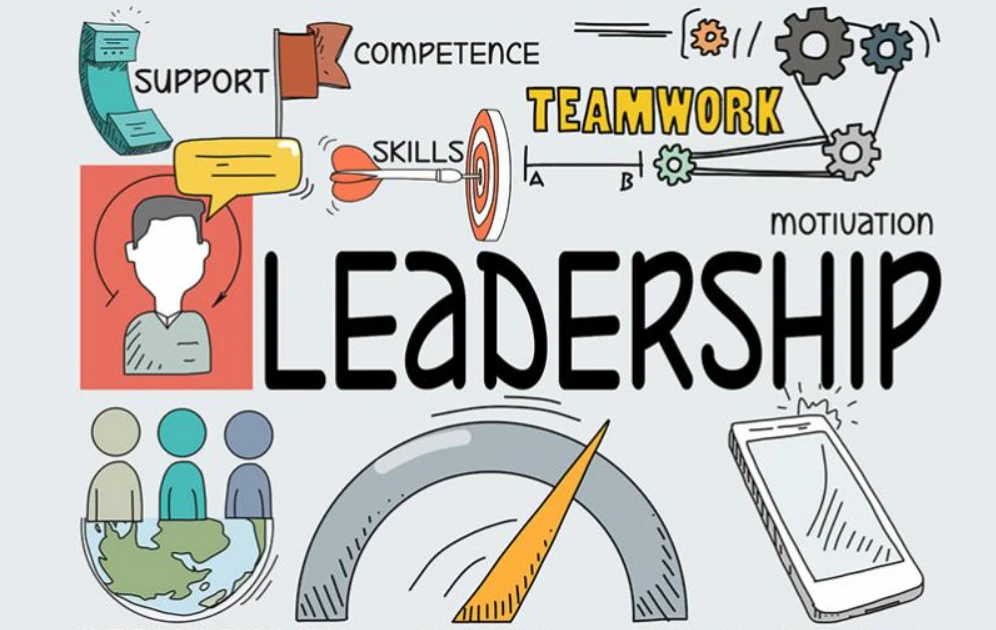
Stepping into a management role is often seen as the natural progression of a successful career. However, being an exceptional individual contributor does not automatically make one a great leader. The gap between "doing the work" and "leading the people who do the work" is significant, and closing that gap requires a specific state of leadership readiness.
In today’s volatile business landscape, organizations can no longer afford to promote based on seniority alone. True leadership readiness is about emotional intelligence, strategic foresight, and the ability to inspire a collective vision.
What is Leadership Readiness?
At its core, leadership readiness is the measure of an individual's preparedness to take on the responsibilities, pressures, and complexities of a leadership position. It isn’t a fixed destination but a developmental stage where a professional transitions from technical proficiency to people-centric influence.
When we talk about being "ready," we aren't just looking at a resume. We are looking at a mindset shift. It involves moving from a "me" perspective (my tasks, my deadlines, my success) to a "we" perspective (team growth, collective output, organizational impact).
The Core Pillars of Leadership Readiness in Management
To assess if you or a team member is truly prepared for the next level, consider these three essential pillars:
1. Emotional Intelligence (EQ)
Technical skills might get you the interview, but EQ gets you the promotion. A leader must be able to regulate their own emotions while navigating the diverse personalities and stress levels of their team.
- Self-awareness: Recognizing your triggers and biases.
- Empathy: Understanding the "why" behind a team member's performance.
2. Strategic Thinking
Management isn't just about keeping the trains running on time; it’s about knowing where the tracks are heading. Leadership readiness involves looking beyond the daily "to-do" list to understand how your team’s output contributes to the company’s long-term goals.
3. Decision-Making Under Pressure
In a management role, you are the final filter for problems. Readiness is defined by the ability to make informed decisions when information is incomplete and the stakes are high.
"Leadership is not about being in charge. It is about taking care of those in your charge." — Simon Sinek
Signs You Are Ready for a Management Role
How do you know if you’ve actually reached a state of leadership readiness? Look for these behavioral indicators:
You Prioritize Coaching Over Doing
If you find more satisfaction in helping a colleague solve a problem than in solving it yourself, you are exhibiting a key trait of a leader. You’ve moved from execution to empowerment.
You Can Navigate Conflict
Leadership isn't about avoiding "difficult" people; it’s about mediating disagreements to reach a productive outcome. If you can stay objective during a heated debate and guide the team toward a solution, your readiness is high.
You Seek Feedback Constantly
Ready leaders don't fear criticism; they crave it. They understand that their "blind spots" are the biggest risks to their team’s success. Actively seeking 360-degree feedback is a hallmark of a mature leader.
How to Build and Improve Your Leadership Readiness
If you feel you aren't quite there yet, don't worry—leadership is a skill that can be cultivated. Here is how you can proactively bridge the gap:
1. Find a Mentor (and a Sponsor)
A mentor gives you advice, but a sponsor mentions your name in rooms you haven't entered yet. Both are vital for developing the political acumen and professional confidence required for management.
2. Take on "Stretch" Assignments
Volunteer for projects that are slightly outside your comfort zone. This could be leading a cross-departmental task force or managing a small budget. These "low-stakes" leadership opportunities are the best training grounds.
3. Focus on Communication Skills
Management is 90% communication. Whether it’s delivering a performance review or pitching a new strategy to executives, your ability to articulate ideas clearly and persuasively is non-negotiable.
The Role of Organizations in Assessing Readiness
Companies shouldn't leave leadership readiness to chance. Successful organizations implement succession planning and leadership development programs to identify high-potential employees (HiPos) early.
By using data-driven assessments and personality profiling, firms can identify who has the innate "soft skills" that are harder to teach. Investing in leadership readiness early prevents the "accidental manager" syndrome, where a top performer is promoted and subsequently fails because they weren't supported during the transition.
Key Takeaways for Aspiring Leaders
- Leadership is a mindset, not a title. You can demonstrate leadership readiness long before you have "Manager" on your business card.
- Shift your focus from "outputs" to "outcomes." Understand the "why" behind the work.
- Invest in your soft skills. Communication, empathy, and conflict resolution are the tools of the trade.
- Be a lifelong learner. The best leaders are those who remain curious and adaptable in the face of change.
"The most dangerous myth is that leaders are born—that there is a genetic factor to leadership. That’s nonsense; in fact, the opposite is true. Leaders are made rather than born." — Warren Bennis
Conclusion
Leadership readiness is the bridge between individual excellence and organizational impact. It requires a brave look inward to assess one's strengths and weaknesses, followed by a disciplined effort to develop the skills necessary to guide others. Whether you are an aspiring manager or a business leader looking to promote your next star, focusing on readiness—rather than just results—is the key to long-term success.
FAQ: Leadership Readiness
1. What is the difference between leadership potential and leadership readiness?
Leadership potential is the raw talent and capability an individual has to lead in the future. Leadership readiness is the immediate preparedness to step into a specific role right now. Potential is about "could," while readiness is about "can."
2. Can leadership readiness be measured?
Yes. Organizations often use a combination of 360-degree feedback, psychometric testing, situational judgment tests (SJTs), and performance data to create a "readiness score" or assessment for an individual.
3. How long does it take to become "leader-ready"?
There is no set timeline. For some, it takes months of targeted coaching; for others, it takes years of diverse experience. The speed of development depends on the individual's self-awareness and the quality of the mentorship they receive.