
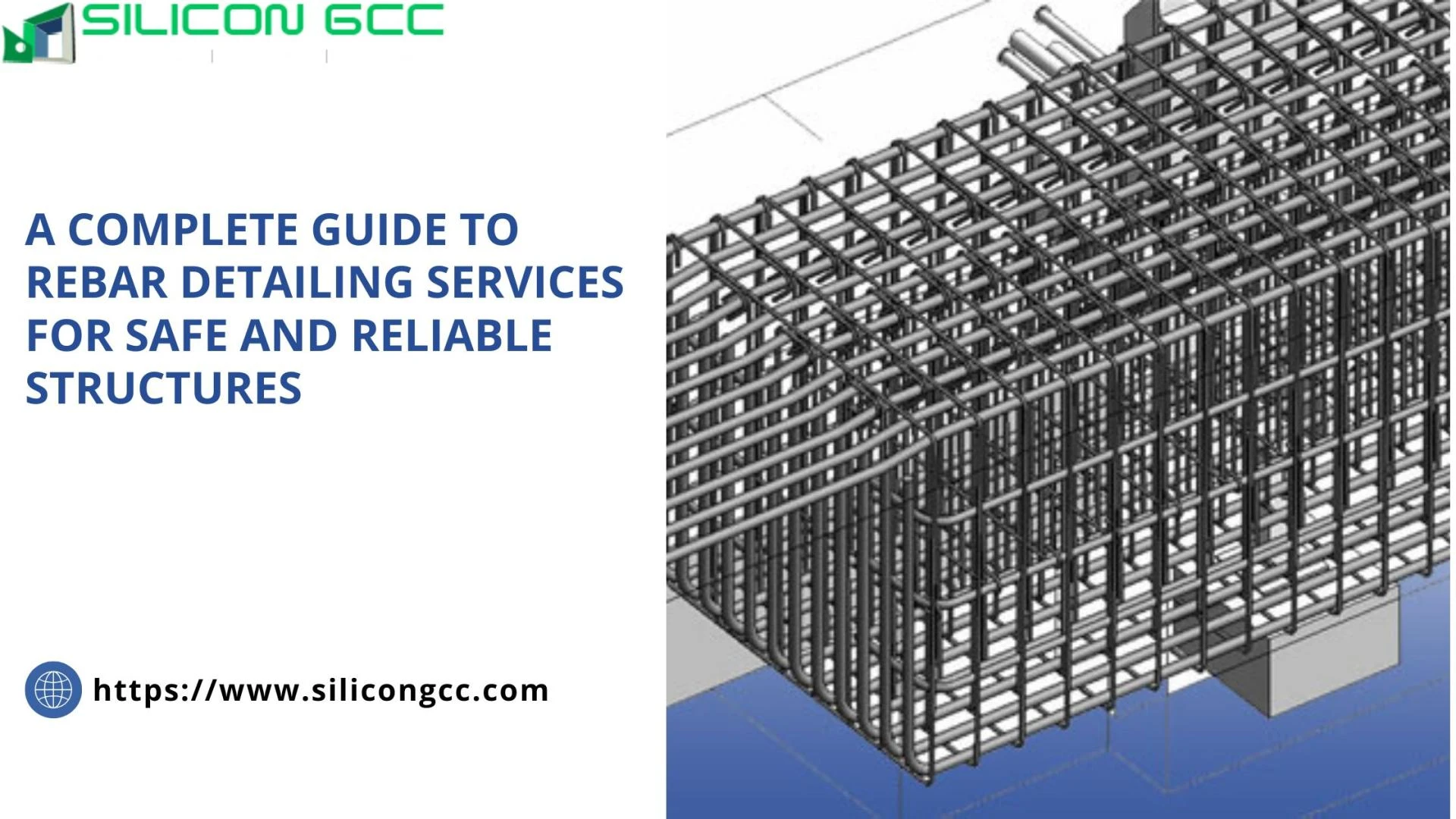
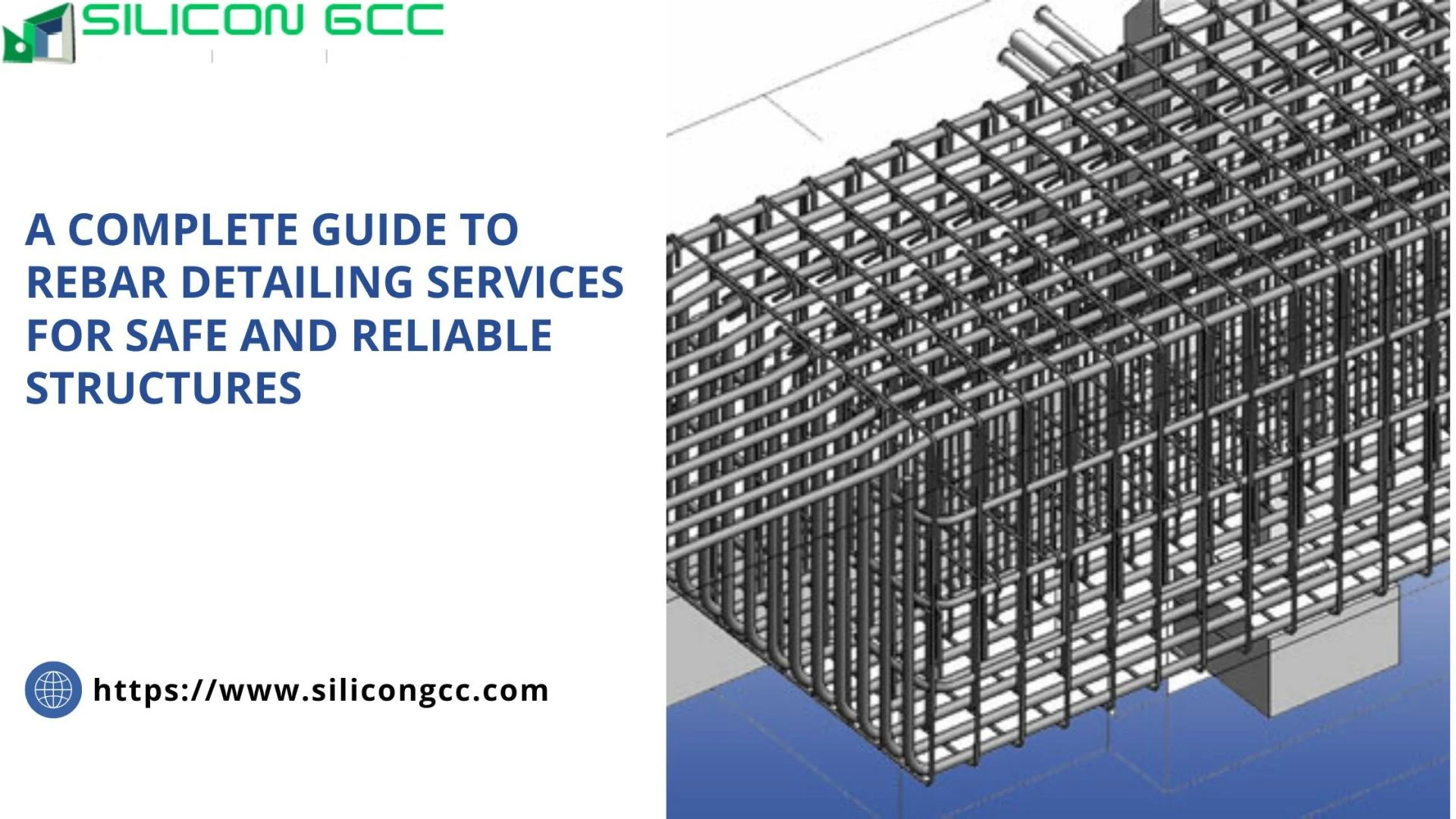
Reinforcing steel, or rebar, is the backbone of any concrete structure, providing the necessary tensile strength to resist cracking and collapse. The transformation of a structural engineer's design into the precise, workable instructions needed for construction is the critical function of Rebar Detailing Services. This specialized field ensures that every piece of steel reinforcement is accurately located, cut, and bent, forming a cohesive and durable skeleton within the concrete.
Understanding Rebar Detailing: The Essential Link
Reinforcement Detailing Services act as the crucial intermediary between the architectural and structural design phase and the physical construction phase. Detailers translate complex structural drawings, which indicate the size, grade, and location of the steel, into detailed rebar shop drawings and comprehensive Bar Bending Schedules (BBS).
This process is governed by stringent international standards, such as those set by the American Concrete Institute (ACI), the Concrete Reinforcing Steel Institute (CRSI), and various European and British Standards (BS). Adherence to these codes is paramount, guaranteeing the structural integrity and reliability of the final build.
The Phases of Professional Rebar Detailing
A professional detailing project follows a methodical, step-by-step process to ensure accuracy and minimize potential project delays.
Project Initiation and Design Review
The process commences with a thorough examination of the contract documents, including structural drawings, architectural plans, and specifications. The detailing team’s primary objective here is to identify and resolve any inconsistencies or ambiguities in the design before fabrication begins. This proactive review of load paths, concrete cover requirements, and splice locations prevents expensive rework during the construction phase.
Developing Shop Drawings
The core output of Rebar Detailing CAD Services is the creation of detailed shop drawings. These drawings are a map for the steel fabricator and the placement crew. They illustrate:
- Placement and spacing of all reinforcement bars.
- Cutting lengths and bending shapes for every single bar.
- Splice locations and lap lengths as per code requirements.
- Clear coverage requirements between the steel and the concrete surface.
Generating the Bar Bending Schedule (BBS)
The BBS is an inventory document that lists every unique bar mark, along with its grade, diameter, required length, and specified bend shape. This schedule is indispensable for the fabrication facility, allowing them to precisely cut and bend the reinforcement steel with minimal material wastage. An accurate BBS is the bedrock of precision in steel fabrication.
Leveraging 3D Rebar Modeling
Modern 3D Rebar Modeling has become the industry benchmark for projects of any significant complexity, especially those involving dense reinforcement or intricate geometries (like shear walls or foundation mats). Using sophisticated software, detailers create a three-dimensional virtual model of the reinforcement.
This modeling technique offers substantial benefits:
- Advanced Clash Detection: It instantly identifies where two or more bars, or a bar and another structural element (like a duct or beam penetration), occupy the same space. Resolving these clashes in a virtual environment is far more economical and efficient than addressing them during the construction phase.
- Enhanced Visualization: The model provides a clear visual understanding of the complex rebar network for all project stakeholders.
Quality Assurance and Final Submission
Before any drawing leaves the detailing office, it undergoes a rigorous quality assurance (QA) check. This meticulous checking process verifies the accuracy of the dimensions, adherence to the specific project specifications, and strict compliance with the relevant governing codes (e.g., ACI 318). Only after this comprehensive review is complete are the final shop drawings and BBS files released for fabrication and assembly.
The Value Proposition: Safety, Efficiency, and Longevity
Engaging professional Rebar Detailing Services is an investment that yields significant returns in project certainty and structural performance.
Safety and Compliance: Correct detailing ensures that the structure meets all code requirements, which directly translates to a safe building capable of supporting its intended loads and resisting environmental forces (like seismic activity).
Optimized Materials Management: The accurate BBS provided by the detailer facilitates exact steel ordering, significantly reducing excess material and simplifying the delivery logistics for the fabricator.
Expedited Construction Schedule: Clear, clash-free drawings minimize queries and delays during the assembly phase. When the placement crew receives an unambiguous shop drawing, the process of tying and setting the steel proceeds fluidly and quickly.
For firms prioritizing superior structural outcomes, partnering with seasoned specialists is non-negotiable. For example, the detailed work provided by S E C D Technical Services LLC exemplifies the dedication to precision that underpins successful construction ventures.
In conclusion, professional rebar detailing is not merely a technical task; it is a specialized engineering discipline that is foundational to constructing safe, durable, and reliable infrastructure. It ensures that the engineered design intent is perfectly executed in the physical world.