
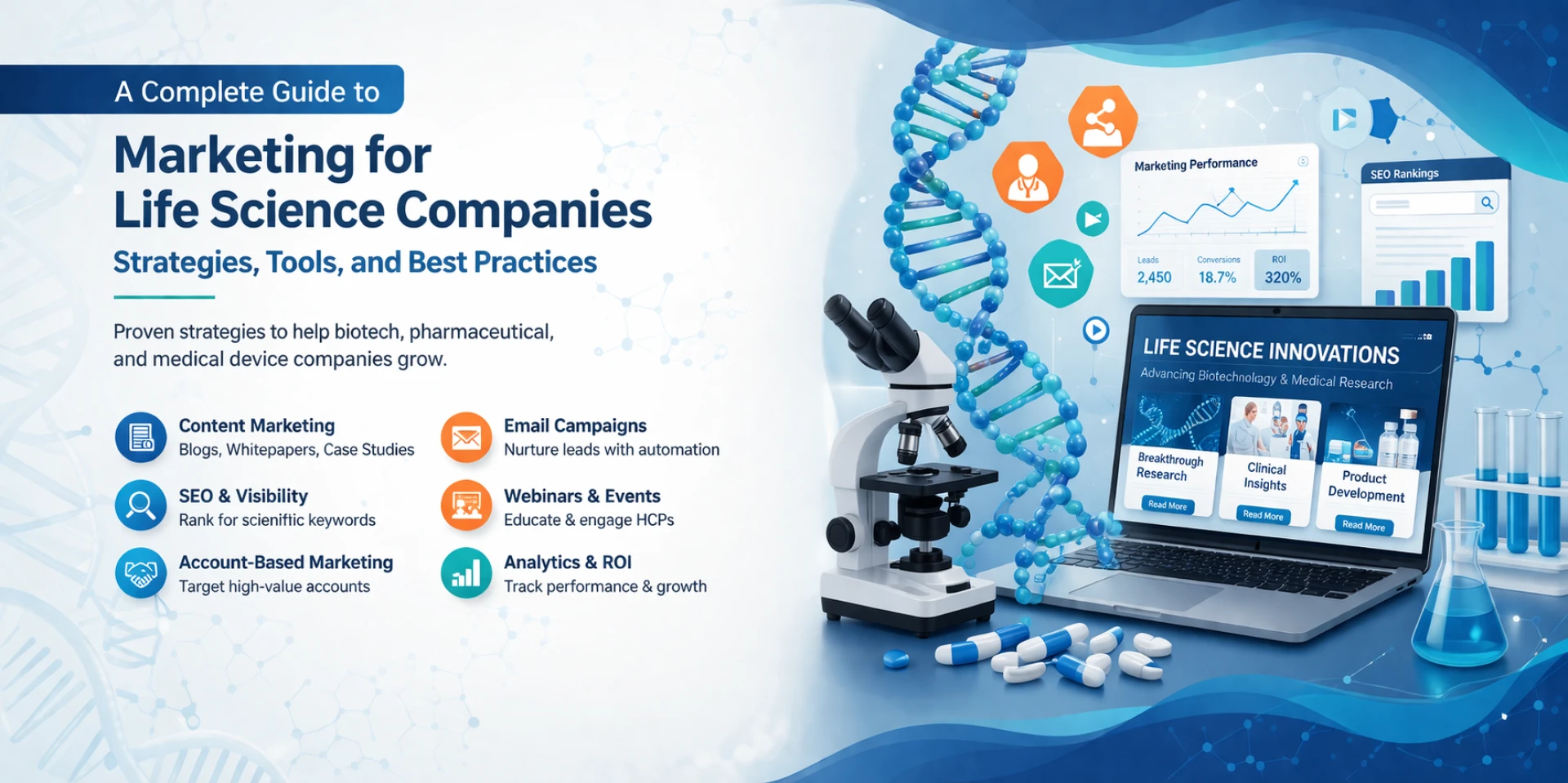
Marketing in the life sciences sector is both challenging and highly rewarding. Companies in biotechnology, pharmaceuticals, medical devices, and healthcare services must communicate complex scientific ideas while complying with strict regulations. Unlike traditional industries, success depends on building trust, delivering accurate information, and engaging a highly specialized audience.
This guide provides a deep dive into marketing for life science companies, covering proven strategies, essential tools, and best practices to help organizations grow sustainably and stand out in a competitive landscape.
Understanding the Life Science Marketing Ecosystem
Life science marketing operates at the intersection of science, healthcare, and business. The target audience often includes researchers, clinicians, procurement teams, and regulatory professionals. Each group requires tailored messaging that aligns with their level of expertise and decision-making role.
Key Industry Challenges
- Communicating complex scientific data clearly
- Navigating strict regulatory frameworks
- Managing long and multi-stage sales cycles
- Reaching niche and highly educated audiences
- Establishing credibility in a data-driven environment
Because of these challenges, marketing for life science companies must focus on education, transparency, and value rather than aggressive promotion.
Building a Strong Marketing Foundation
Before implementing campaigns, it’s essential to build a solid foundation that aligns with business goals.
Define Clear Objectives
Set measurable goals such as:
- Increasing brand awareness
- Generating qualified leads
- Supporting product launches
- Educating target audiences
Clear objectives help guide strategy and measure success effectively.
Identify and Segment Your Audience
Audience segmentation is critical. Create detailed buyer personas based on:
- Professional role (researcher, physician, executive)
- Industry (biotech, pharma, diagnostics)
- Pain points and challenges
- Decision-making authority
Personalized messaging improves engagement and conversion rates.
Core Strategies for Marketing for Life Science Companies
1. Content Marketing: Educating Through Value
Content marketing is one of the most effective approaches in the life sciences industry. It allows companies to demonstrate expertise while educating their audience.
High-Impact Content Formats:
- Scientific articles and blog posts
- Whitepapers and research-backed reports
- Case studies showcasing real-world results
- eBooks and technical documentation
- Webinars and expert interviews
When executed properly, content builds authority and supports long-term brand growth. It is a cornerstone of successful marketing for life science companies.
2. Search Engine Optimization (SEO)
SEO ensures that your content reaches the right audience at the right time. Professionals often search for specific solutions, making search visibility crucial.
Effective SEO Techniques:
- Use targeted keywords naturally within content
- Optimize meta titles, descriptions, and headings
- Improve website speed and mobile usability
- Create high-quality backlinks from authoritative sources
- Structure content for readability and search intent
A strong SEO strategy helps attract qualified traffic and supports inbound marketing efforts.
3. Account-Based Marketing (ABM)
In life sciences, purchasing decisions often involve multiple stakeholders. Account-Based Marketing focuses on targeting specific high-value accounts with personalized campaigns.
Why ABM Works:
- Aligns marketing and sales efforts
- Delivers highly relevant messaging
- Improves engagement with key decision-makers
- Increases ROI on marketing campaigns
ABM is particularly effective for organizations dealing with complex B2B sales cycles.
4. Digital Advertising and Paid Campaigns
Paid media can accelerate visibility and lead generation when used strategically.
Popular Channels:
- Search engine advertising (Google Ads)
- LinkedIn sponsored content
- Display and retargeting campaigns
Carefully crafted campaigns can complement organic strategies and deliver measurable results.
5. Social Media and Thought Leadership
Professional networks, especially LinkedIn, play a significant role in connecting with industry experts and decision-makers.
Best Practices:
- Share insights, research, and industry trends
- Engage in meaningful discussions
- Highlight company achievements and innovations
- Promote events, webinars, and publications
Consistent thought leadership enhances credibility and brand recognition.
6. Email Marketing and Lead Nurturing
Email marketing remains a powerful tool for nurturing leads throughout long buying cycles.
Key Approaches:
- Segment email lists based on audience type
- Deliver educational and relevant content
- Use automation to personalize communication
- Track engagement metrics to refine campaigns
Effective email strategies help maintain relationships and move prospects through the sales funnel.
Essential Tools for Life Science Marketing
Using the right tools can significantly improve efficiency and campaign performance.
Customer Relationship Management (CRM)
CRM platforms help manage leads, track interactions, and streamline communication between teams.
Marketing Automation Tools
Automation platforms simplify repetitive tasks like email campaigns, lead scoring, and workflow management.
SEO and Analytics Platforms
Tools such as Google Analytics, SEMrush, and Ahrefs provide insights into user behavior, keyword performance, and traffic sources.
Content Management Systems (CMS)
A reliable CMS enables easy publishing, updating, and management of content across digital platforms.
Webinar and Virtual Event Platforms
Virtual events are essential for knowledge sharing and engagement in the life sciences industry.
Best Practices for Long-Term Success
Focus on Accuracy and Compliance
Ensure all content is scientifically accurate and complies with regulatory guidelines. Avoid exaggerated claims and provide verifiable data.
Create Audience-Centric Content
Understand your audience’s needs and deliver content that solves real problems. Relevance drives engagement.
Maintain Consistent Branding
Consistency in messaging, tone, and visuals strengthens brand identity and builds trust over time.
Leverage Data and Analytics
Track performance metrics and use data to refine strategies. Continuous improvement is key to success in marketing for life science companies.
Align Sales and Marketing Teams
Collaboration between teams ensures a seamless customer journey and improves lead conversion rates.
Measuring Performance and ROI
Tracking the right metrics helps evaluate the effectiveness of your marketing efforts.
Key Performance Indicators (KPIs):
- Website traffic and user engagement
- Lead generation and conversion rates
- Content performance metrics
- Email open and click-through rates
- Cost per lead and ROI
Regular analysis allows you to identify strengths, address weaknesses, and optimize campaigns.
Emerging Trends in Life Science Marketing
The industry continues to evolve with new technologies and changing audience expectations.
Key Trends to Watch:
- AI-powered personalization and content creation
- Increased use of video and interactive media
- Growth of virtual and hybrid events
- Greater emphasis on data privacy and compliance
- Omnichannel marketing integration
Staying ahead of these trends can give companies a competitive edge.
Conclusion
Effective marketing for life science companies requires a thoughtful and strategic approach that combines scientific expertise with modern digital marketing techniques. By focusing on education, personalization, and data-driven decision-making, organizations can build strong relationships and achieve sustainable growth.
Partnering with experts like Lisa T. Miller can further enhance your marketing efforts, helping you navigate the complexities of the life sciences industry while driving measurable results.