
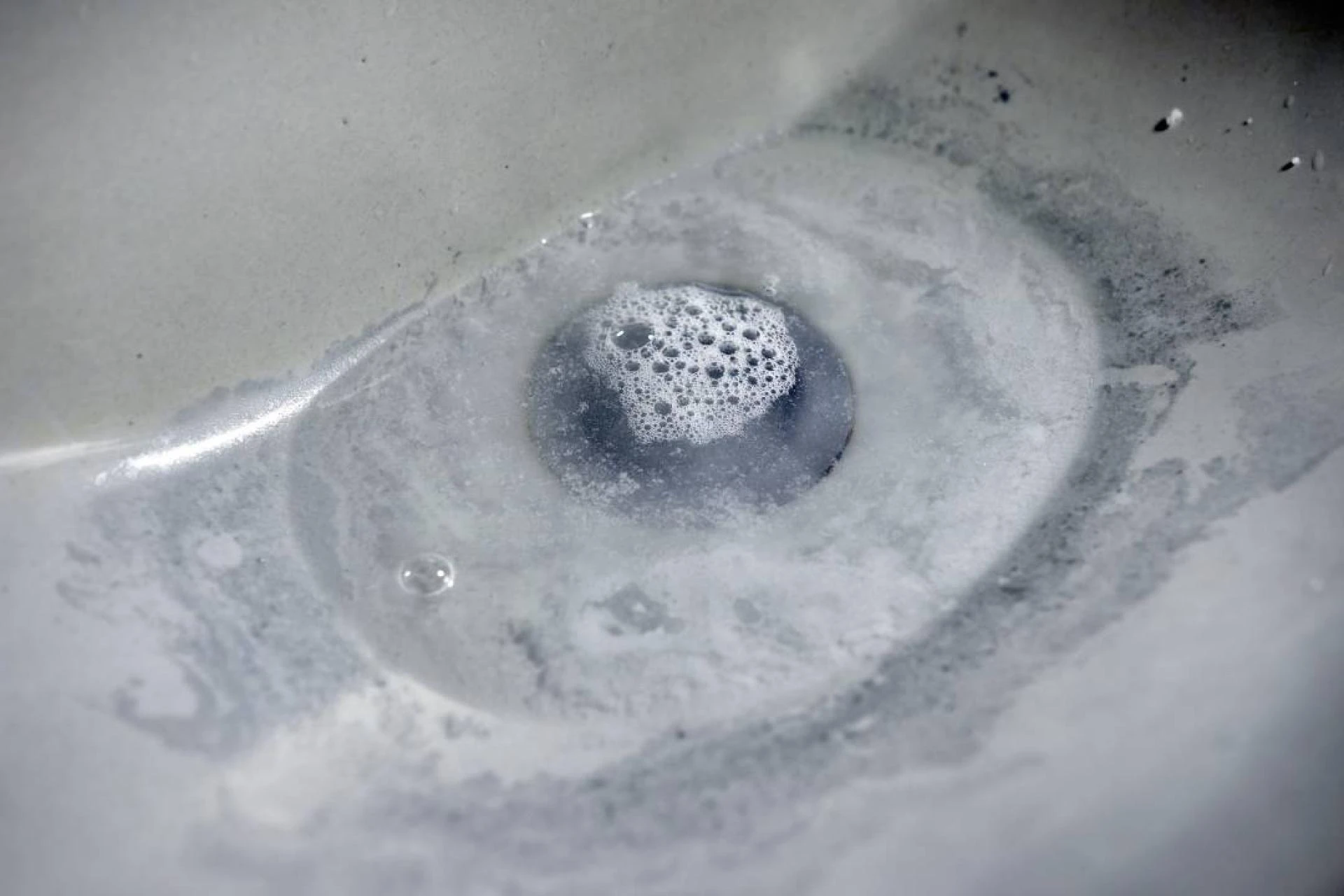
Blocked drains are one of the most common plumbing problems homeowners face. Whether it’s a slow-draining kitchen sink or a bathroom drain that refuses to clear, these issues can quickly disrupt daily routines. If left untreated, they may even cause unpleasant odors, water damage, or costly repairs. Understanding how to identify, prevent, and fix blocked drains can help you maintain a clean and functional home. For residents dealing with Blocked Drains Beckenham, having the right knowledge is the first step toward solving the problem efficiently.
Common Signs of Blocked Drains
One of the easiest ways to prevent serious plumbing issues is to recognize the early signs of a blockage. Drains rarely become fully blocked overnight. Instead, they show warning signals that something is wrong.
A common sign is slow drainage. If water takes longer than usual to flow down the sink, shower, or bathtub, it often indicates a buildup of debris in the pipes. Another sign is gurgling sounds coming from the drain. This noise usually occurs when trapped air struggles to escape due to a blockage.
Unpleasant odors are another indicator. Food particles, grease, hair, and soap scum can accumulate in pipes and begin to decompose, creating foul smells. In more severe cases, you may notice water backing up into sinks or floor drains, which is a clear sign that the blockage requires immediate attention.
Homeowners experiencing these symptoms should consider addressing the issue quickly, especially when dealing with Blocked Drains Beckenham, where professional plumbing support may be necessary for stubborn clogs.
What Causes Blocked Drains in Kitchens?
Kitchen drains are particularly vulnerable to blockages because they handle a variety of waste materials every day. One of the biggest culprits is grease and cooking oil. When poured down the sink, grease cools and solidifies inside the pipes, gradually restricting water flow.
Another common cause is food waste. Even small food particles can accumulate over time, especially if they stick to greasy pipe walls. Coffee grounds, rice, pasta, and vegetable peels are especially problematic because they expand or clump together when wet.
Soap residue and detergent buildup can also contribute to kitchen drain problems. Over time, these substances mix with grease and debris, creating stubborn clogs that are difficult to remove without proper tools.
Causes of Bathroom Drain Blockages
Bathroom drains experience a different set of problems. The most common cause is hair buildup. Hair easily tangles inside pipes and traps soap residue, forming thick clogs that slow or stop water flow.
Soap scum is another major factor. Many soaps contain fats and minerals that stick to pipe surfaces. Over time, this buildup narrows the passageway inside the drain, making it easier for debris to accumulate.
In some cases, foreign objects like cotton swabs, dental floss, or small hygiene products may accidentally enter the drain and cause immediate blockages. These items do not break down easily and can create significant plumbing issues if not removed quickly.
How to Prevent Blocked Drains
Prevention is always better than dealing with a major plumbing problem. Fortunately, there are several simple habits homeowners can adopt to keep drains flowing smoothly.
In the kitchen, avoid pouring grease or cooking oil down the sink. Instead, let it cool and dispose of it in the trash. Installing a sink strainer can also help catch food particles before they enter the drain.
Regularly flushing the drain with hot water can help dissolve minor grease buildup. Some homeowners also use a mixture of baking soda and vinegar to keep pipes clean and reduce odors.
In the bathroom, using a drain cover is one of the most effective ways to prevent hair from entering the pipes. Cleaning the cover regularly will prevent buildup before it becomes a problem.
Another important habit is avoiding flushing or washing items that do not belong in the drain. Small changes in daily routines can significantly reduce the chances of dealing with Blocked Drains Beckenham.
Simple Methods to Fix Minor Drain Blockages
If a drain becomes partially blocked, there are a few simple methods you can try before calling a professional.
A plunger is often the first tool people use. It creates pressure that can dislodge minor clogs and restore normal water flow. Another common solution is a drain snake or auger, which can reach deeper into pipes and pull out trapped debris such as hair or food particles.
For grease-related clogs, pouring hot water mixed with dish soap down the drain may help break down the buildup. However, chemical drain cleaners should be used cautiously, as they can damage pipes if used frequently.
These DIY methods can be effective for small blockages, but persistent or recurring issues may require expert attention.
When to Call a Professional Plumber
Sometimes, blocked drains are more complex than they appear. If water continues to drain slowly despite cleaning attempts, or if multiple drains in your home are affected, the problem may be deeper within the plumbing system.
Professional plumbers use advanced tools such as drain cameras and high-pressure water jetting to identify and remove stubborn clogs. These methods are far more effective than household solutions and help prevent future blockages.
For homeowners dealing with recurring Blocked Drains Beckenham, seeking professional assistance can save time, prevent property damage, and ensure the plumbing system remains in good condition.
Final Thoughts
Blocked drains can be frustrating, but they are often preventable with proper care and maintenance. By recognizing early warning signs, avoiding common causes, and using simple preventive measures, homeowners can keep their kitchen and bathroom drains functioning smoothly.
However, when blockages become severe or persistent, professional help is the best solution. Taking prompt action not only protects your plumbing system but also keeps your home clean, hygienic, and free from unpleasant drain problems.