In construction, landscaping, and large-scale soil management projects, choosing the right materials can make or break the success of an operation. One material that has proven indispensable in these settings is woven geotextile fabric. Known for its durability, tensile strength, and versatility, this fabric plays a crucial role in stabilizing soil, controlling erosion, and reinforcing infrastructure.
For projects that require long-lasting results and efficient resource management, investing in high-quality woven geotextile fabric—especially PP/HDPE woven fabric—is a strategic decision. This guide explores the characteristics, applications, and advantages of woven geotextile fabric, helping professionals make informed decisions for their bulk material requirements.
What is Woven Geotextile Fabric?
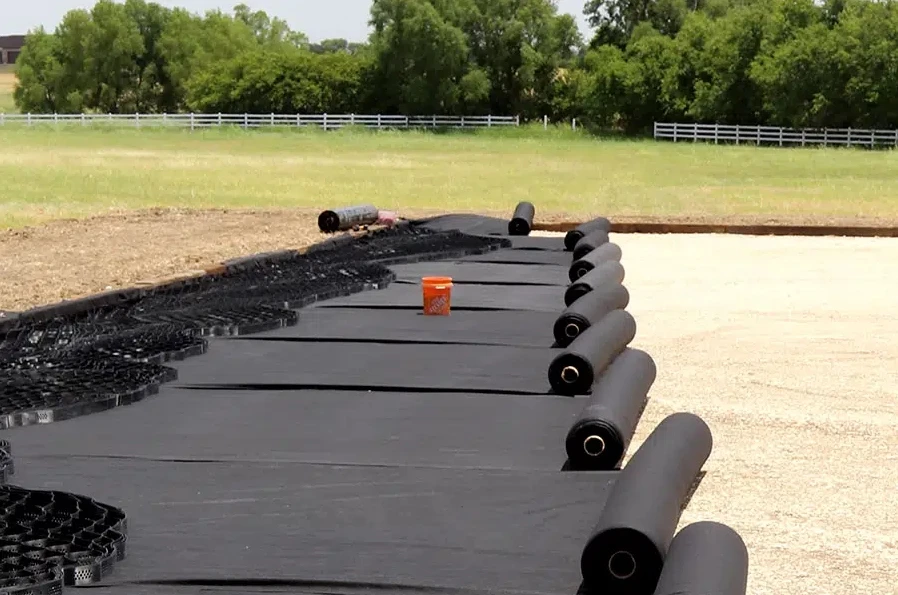
Woven geotextile fabric is a type of industrial textile specifically designed for soil reinforcement, separation, filtration, and erosion control. Unlike non-woven fabrics, which are bonded by heat or chemical treatments, woven fabrics are created by interlacing polypropylene (PP) or high-density polyethylene (HDPE) fibers in a tight, uniform pattern. This manufacturing process enhances the material’s tensile strength, load-bearing capacity, and durability, making it suitable for demanding projects.
The integration of PP/HDPE woven fabric ensures that the material can withstand heavy loads and harsh environmental conditions, which is essential for long-term infrastructure and construction projects. Whether it is used under roadways, railways, or landscaping embankments, woven geotextile fabric maintains soil stability and supports structural integrity.
Key Features of Woven Geotextile Fabric
Understanding the core features of woven geotextile fabric can help professionals choose the right product for large-scale operations. Here are the main attributes:
- High Tensile Strength: The interlaced structure of PP/HDPE fibers allows the fabric to bear heavy loads, making it ideal for reinforced soil applications and infrastructure projects.
- Dimensional Stability: Woven geotextile fabric resists elongation under pressure, maintaining its shape and performance even under repeated stress.
- Durability: Resistant to UV exposure, chemical degradation, and environmental wear, this fabric ensures a long operational lifespan.
- Efficient Drainage and Filtration: While primarily designed for strength, woven geotextile fabric also allows controlled water flow, preventing soil clogging in layered construction.
- Versatility: From erosion control on slopes to reinforcement under pavements, this material is adaptable across multiple industrial applications.
These features make woven geotextile fabric an essential component for projects that require reliable, high-performance materials in bulk quantities.
Applications of Woven Geotextile Fabric
Woven geotextile fabric is used across a wide range of industrial and civil engineering projects. Its applications include:
Soil Stabilization : One of the primary uses of woven geotextile fabric is to stabilize soil in roads, embankments, and retaining walls. By reinforcing weak soil layers, it prevents shifting, sinking, and settlement, which can compromise the longevity of infrastructure. Projects with large load-bearing requirements, such as highways or railway foundations, benefit greatly from the enhanced stability provided by PP/HDPE woven fabric.
Erosion Control : Controlling soil erosion is crucial in both construction and landscaping projects. Woven geotextile fabric acts as a protective barrier on slopes, riverbanks, and embankments, reducing soil displacement caused by water or wind. Its durable structure holds the soil in place while allowing water to pass through, maintaining natural drainage patterns.
Separation and Filtration : In layered construction projects, such as road pavements or subgrade preparation, woven geotextile fabric serves as a separator between soil layers. This prevents mixing of materials, reduces soil contamination, and enhances overall project performance. The fabric’s filtration properties also prevent fine soil particles from clogging drainage systems.
Reinforcement in Heavy Infrastructure Projects : Bridges, airport runways, industrial flooring, and other large-scale projects often require materials capable of withstanding immense pressure. Woven geotextile fabric distributes loads evenly across the foundation, reducing the risk of structural failures and ensuring consistent performance over time.
Landscaping and Environmental Applications : Beyond industrial projects, woven geotextile fabric is used in landscaping to stabilize slopes, construct green spaces, and prevent erosion in gardens or public spaces. Its eco-friendly properties support sustainable construction practices by reducing soil loss and improving vegetation growth.
Advantages of Woven Geotextile Fabric
Choosing woven geotextile fabric provides multiple advantages, particularly for projects requiring bulk procurement and high-performance materials. Key benefits include:
- Enhanced Strength and Load-Bearing Capacity: Woven geotextile fabric’s structure allows it to support heavy loads and resist soil deformation. This reduces maintenance requirements and prolongs the lifespan of the infrastructure.
- Cost Efficiency: While initial investment may be higher than standard materials, the long-term savings in maintenance and replacement costs make it a cost-effective solution for bulk projects.
- Ease of Installation: The fabric is lightweight and flexible, allowing faster deployment across large areas without specialized equipment.
- Sustainability: By preventing soil erosion and supporting efficient drainage, woven geotextile fabric contributes to environmentally responsible construction practices.
- Adaptability: Suitable for various soil types and terrains, this material is versatile enough to meet diverse project needs.
For businesses handling large-scale infrastructure, sourcing woven geotextile fabric in bulk ensures consistency, reliability, and efficiency across multiple projects.
Choosing the Right Woven Geotextile Fabric
Selecting the correct woven geotextile fabric involves considering several factors:
- Tensile Strength and Weight: Projects with heavy loads require high-tensile fabrics to prevent soil deformation.
- UV and Chemical Resistance: Exposure to sunlight or chemicals can degrade inferior fabrics. PP/HDPE woven fabric offers superior protection.
- Project Requirements: Soil type, slope, and drainage needs influence fabric selection.
- Bulk Availability: Large-scale projects demand suppliers who can provide consistent, high-quality fabric in bulk quantities.
By carefully evaluating these factors, project managers can ensure optimal performance and long-term durability for their construction or landscaping initiatives.
Woven geotextile fabric is more than just a construction material—it is a critical component for ensuring stability, efficiency, and sustainability in soil management and infrastructure projects. Its high tensile strength, durability, and versatility make it ideal for bulk industrial applications where performance and longevity are non-negotiable.
For businesses looking to source premium woven geotextile fabric in large quantities, Anita Plastics provides high-quality PP/HDPE woven fabrics designed to meet the rigorous demands of industrial and civil engineering projects. Investing in reliable material not only enhances project outcomes but also ensures long-term cost savings and structural integrity.
Whether stabilizing soil for roadways, reinforcing slopes, or controlling erosion in landscaping projects, woven geotextile fabric remains an essential solution for professionals who value durability, efficiency, and performance.