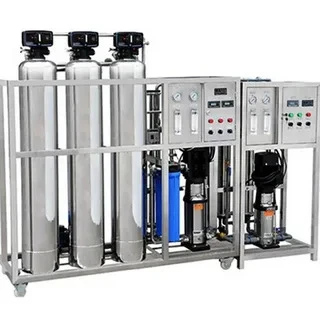
Access to clean, safe water is not merely a matter of public health; it's a cornerstone of economic stability and growth, especially for businesses. In Uganda, a nation rich in natural water resources but grappling with challenges like pollution and inadequate infrastructure, the demand for reliable water purification solutions is paramount. This comprehensive guide delves into the world of commercial water purification systems in Uganda, offering invaluable insights for businesses seeking to safeguard their operations, employees, and product quality.
Understanding the Ugandan Water Landscape
Uganda is blessed with abundant freshwater sources, including Lake Victoria, Lake Kyoga, and the Nile River. However, rapid urbanization, industrial activity, and agricultural runoff have significantly impacted water quality. Contaminants such as bacteria, viruses, heavy metals, industrial chemicals, and agricultural pesticides are increasingly prevalent. For commercial entities, this poses a direct threat, leading to potential health issues among staff, equipment damage, reduced productivity, and compromise of product integrity, particularly in sectors like food and beverage, pharmaceuticals, and hospitality.
Also Read : What Are the Key Factors to Consider When Selecting Fire Fighting Equipment Suppliers in Uganda?
The National Water and Sewerage Corporation (NWSC) regularly monitors and reports on water quality in various parts of Uganda, highlighting the need for supplementary purification measures for many commercial applications. Furthermore, the Ugandan government, through the Ministry of Water and Environment, has established standards for drinking water quality (e.g., Uganda Standard US ISO 201), making it crucial for businesses to comply with these regulations.
Why Invest in Commercial Water Purification Systems?
The decision to invest in commercial water purification systems in Uganda extends beyond compliance; it's a strategic business imperative.
Ensuring Health and Safety Compliance
Providing safe drinking water for employees and customers is a legal and ethical obligation. Contaminated water can lead to waterborne diseases like cholera and typhoid, resulting in employee absenteeism, reduced morale, and potential legal repercussions for the business. A robust purification system ensures adherence to national water quality standards, protecting public health and the company's reputation.
Improving Product Quality and Consistency
Industries such as food processing, pharmaceuticals, and manufacturing rely heavily on high-quality water for their operations. Impurities in water can alter the taste, color, or chemical composition of products, leading to batch rejections, reduced shelf life, and customer dissatisfaction. Commercial water purification systems guarantee a consistent supply of water that meets specific quality requirements, thereby enhancing product quality and maintaining brand integrity.
Protecting Equipment and Infrastructure
Untreated water often contains minerals (like calcium and magnesium, leading to "hard water"), sediments, and corrosive elements. These can cause scaling in pipes, boilers, and machinery, leading to reduced efficiency, increased energy consumption, costly repairs, and premature equipment failure. Purified water extends the lifespan of critical equipment, minimizing downtime and maintenance expenses.
Environmental Responsibility and Cost Savings
By treating water on-site, businesses can reduce their reliance on bottled water, thereby decreasing plastic waste and contributing to environmental sustainability. Moreover, optimizing water usage through purification and recycling can lead to significant cost savings on water procurement and waste disposal. In the long run, the initial investment in commercial water purification systems in Uganda is often outweighed by the operational efficiencies and avoided costs.
Types of Commercial Water Purification Systems
The choice of a water purification system depends on the source water quality, the required water purity, and the specific application. Common types of commercial water purification systems in Uganda include:
Reverse Osmosis (RO) Systems
RO systems are highly effective, utilizing a semi-permeable membrane to remove up to 99% of dissolved solids, salts, heavy metals, bacteria, and viruses. They are ideal for applications requiring high-purity water, such as in pharmaceutical manufacturing, food and beverage production, and specialized industrial processes. While effective, RO systems can have a higher initial cost and require pre-treatment to prevent membrane fouling.
Ultrafiltration (UF) Systems
UF systems use a membrane with a larger pore size than RO, effectively removing suspended solids, bacteria, viruses, and large organic molecules while retaining essential minerals. They are suitable for applications where demineralization isn't strictly necessary, such as in hospitality, healthcare, and agriculture, providing a cost-effective solution for advanced filtration.
Ultraviolet (UV) Water Cleansers
UV disinfection systems use ultraviolet light to inactivate bacteria, viruses, and other microorganisms by disrupting their DNA, preventing them from reproducing. UV systems are chemical-free and environmentally friendly, making them an excellent choice for primary disinfection, often used in conjunction with other filtration methods to ensure complete purification. They are commonly employed in healthcare facilities, schools, and restaurants.
Activated Carbon Filtration Systems
Activated carbon filters are highly effective at removing organic impurities, chlorine, pesticides, and other chemicals that cause unpleasant tastes and odors. These systems improve the aesthetic quality of water and are widely used in the food and beverage industry, as well as for general potable water applications. They often serve as a pre-treatment step for more advanced purification systems.
Multimedia Filters
Multimedia filters, also known as sand filters, use layers of different filter media (e.g., anthracite, sand, garnet) to remove suspended solids, turbidity, and sediments from water. They are typically the first line of defense in a comprehensive purification system, protecting downstream equipment from clogging and fouling.
Key Considerations for Businesses in Uganda
When selecting and implementing commercial water purification systems in Uganda, several factors warrant careful consideration:
Water Source Analysis
A thorough analysis of your raw water source is crucial. This will determine the specific contaminants present and the appropriate purification technologies needed to achieve the desired water quality. Different regions of Uganda may have varying water compositions, necessitating a tailored approach.
Capacity and Flow Rate
Businesses must assess their daily water consumption and peak demand to ensure the chosen system has adequate capacity and flow rate to meet operational needs without interruptions. Over- or under-sizing a system can lead to inefficiencies and higher costs.
Maintenance and Servicing
Regular maintenance is vital for the optimal performance and longevity of any water purification system. This includes routine cleaning, filter replacement, membrane maintenance, and periodic system checks. Businesses should consider the availability of spare parts and professional servicing in Uganda. A robust maintenance plan prevents costly breakdowns and ensures consistent water quality.
Regulatory Compliance
Uganda has specific standards for drinking water and wastewater discharge. Businesses must ensure their purification systems enable them to meet and exceed these regulatory requirements to avoid penalties and maintain a good corporate standing. Partnering with a reputable provider who understands local regulations is essential.
Energy Consumption
The operational cost of a purification system is significantly influenced by its energy consumption. Businesses should evaluate the energy efficiency of different systems and consider sustainable options that minimize their carbon footprint and reduce utility bills.
Customization and Scalability
Every business has unique water requirements. A flexible purification system that can be customized to specific needs and scaled up or down as the business grows is highly beneficial.
Conclusion
The provision of clean, safe water is no longer a luxury but a fundamental necessity for businesses operating in Uganda. Investing in commercial water purification systems in Uganda is a strategic decision that drives operational efficiency, enhances product quality, protects valuable assets, ensures regulatory compliance, and ultimately contributes to the health and well-being of the workforce. By carefully assessing their needs and partnering with experienced providers, businesses can unlock the transformative power of purified water.
For a comprehensive assessment of your water purification needs and access to cutting-edge solutions tailored for the Ugandan market, contact Blackwood Hodge Power Services LTD Uganda. Our expertise ensures that your business receives the most efficient, reliable, and compliant water purification system, empowering your operations and securing a sustainable future. Reach out to us today to discuss how we can help you achieve unparalleled water quality.