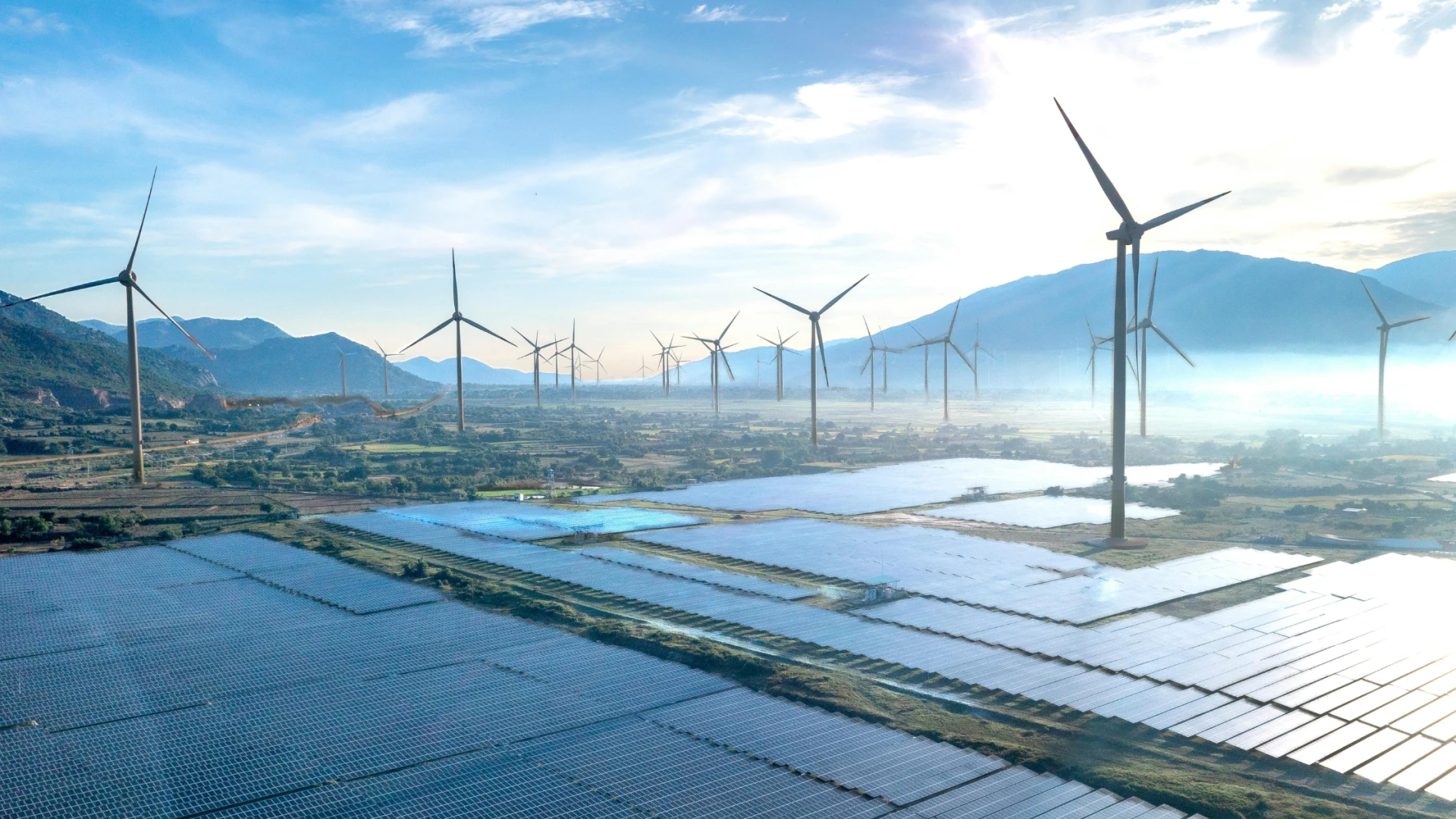
Solar energy has emerged as a prominent consideration in discussions surrounding sustainability, cost management, and long-term energy resilience. Both homeowners and business decision-makers are increasingly evaluating solar power as a method for addressing rising electricity expenses and reducing environmental impact. Although the underlying technology is similar, residential and commercial solar systems are developed to meet distinctly different objectives. Recognizing these distinctions is essential to avoiding impractical expectations and inefficient investments. Each category responds to specific energy requirements, financial considerations, and operational priorities. A structured comparison enables informed decisions that align with practical and strategic needs.
The solar sector has progressed from basic panel installations into a complex energy services industry. Elements such as financing structures, system engineering, maintenance planning, and regulatory compliance significantly influence project outcomes. Residential users tend to prioritize household savings and energy autonomy, whereas commercial entities focus on scalability and predictable operating costs. These contrasting priorities affect system design, component selection, and performance monitoring. Understanding how solutions are tailored for each application enhances overall investment value. This discussion outlines the principal differences to support confident and well-informed decision-making.
Differences in Energy Demand and Consumption Profiles
Residential solar systems are engineered around consistent household routines and seasonal variations in electricity use. Most homes experience peak consumption during morning and evening hours when occupants are present. As a result, system capacity is typically designed to offset utility expenses rather than generate surplus power. Roof orientation, shading conditions, and appliance usage heavily influence system configuration. Battery storage is frequently incorporated to enhance self-consumption and provide backup capability. These systems aim to balance affordability, efficiency, and operational simplicity.
Commercial solar installations address significantly higher and more complex energy demands. Many businesses operate primarily during daylight hours, aligning consumption with solar generation. Facilities such as offices, retail centers, and industrial sites require systems scaled for continuous and substantial loads. Engineers rely on detailed historical usage data to optimize both technical performance and financial returns. Provisions for future operational growth are often integrated into the initial design. Expertise associated with Michael Fallquist Think Energy underscores the importance of comprehensive demand analysis in successful commercial deployments.
System Scale, Design Considerations, and Installation Complexity
Residential solar projects typically involve compact systems designed to fit limited roof space. Aesthetic considerations, structural limits, and local zoning regulations play an important role in system planning. Installation timelines are generally short, minimizing disruption to household routines. Equipment selection emphasizes durability, safety, and ease of maintenance. Standardized components simplify system layouts and servicing requirements. Overall, the process is structured to reduce complexity and upfront challenges for homeowners.
Commercial solar systems require a more tailored and technically intensive approach. Large rooftops, parking canopies, and ground-mounted arrays introduce engineering and logistical challenges. Structural evaluations, electrical infrastructure upgrades, and extended permitting processes can lengthen project schedules. Coordination with facility operations is necessary to avoid interruptions to business activities. Advanced monitoring platforms and control technologies are commonly incorporated from the outset. Firms associated with Michael Fallquist Think Energy highlight that thoughtful design reduces long-term operational risks for businesses.
Financial Structures and Return on Investment Expectations
Residential solar investments are commonly assessed based on monthly bill reductions and long-term payback periods. Financing options such as loans, leases, and power purchase agreements help manage initial costs. Government incentives, tax credits, and net metering arrangements further improve affordability. Financial benefits are typically realized gradually over the system’s operational lifespan. Non-financial factors, including energy independence, also influence homeowner decisions. Predictability and ease of management remain central financial considerations.
Commercial solar initiatives rely on detailed financial modeling and strategic evaluation. Businesses examine depreciation benefits, tax efficiencies, and protection against future energy price volatility. Power purchase agreements are frequently used to conserve capital for core business operations. Approval processes often involve cash flow projections and internal rate of return analyses. Stakeholders expect transparent and measurable performance outcomes. Evaluations reflected in Think Energy Reviews frequently indicate that well-structured commercial solar projects can outperform conventional energy investments.
Long-Term Planning and Scalability Considerations
Residential solar systems are generally viewed as long-term lifestyle investments. Capacity is designed to meet current household needs with limited allowance for future expansion. Physical constraints such as roof area and electrical capacity can restrict system growth. Homeowners typically prioritize reliability and steady performance over rapid scaling. Battery systems enhance resilience during grid disruptions. The emphasis remains on personal energy management and consistent savings.
Commercial solar solutions form part of broader organizational energy and sustainability strategies. Scalability is often incorporated into system planning from the beginning. Anticipated expansions, electric vehicle infrastructure, and energy storage integration are evaluated early in the design process. Solar adoption supports corporate sustainability commitments and public brand positioning. Long-term agreements help stabilize operating expenses and reduce market exposure. Strategic flexibility is a defining advantage for commercial solar adopters.
Summary and Key Takeaways
Selecting between residential and commercial solar solutions requires more than a comparison of equipment costs. Each system category is shaped by distinct objectives related to energy usage, financial planning, and operational requirements. Residential installations prioritize simplicity, dependability, and personal cost savings. Commercial systems emphasize scale, performance optimization, and strategic financial outcomes. Awareness of these differences helps prevent misaligned expectations and inefficient investments. Well-informed choices lead to sustained value and operational success.
As the solar industry continues to advance, the importance of tailored solutions will increase. Technological innovation is expanding the capabilities available to both households and businesses. Effective systems deliver not only economic benefits but also resilience and environmental responsibility. Thorough planning and professional expertise remain critical to successful adoption. By aligning system design with actual needs, stakeholders can fully realize the advantages of solar energy. This alignment ultimately strengthens both individual outcomes and the broader energy ecosystem.