Dental crowns are among the most popular dental treatments. However, many patients still have questions. Understanding the essentials helps you make smarter judgments, whether you're dealing with a damaged tooth or looking at options.
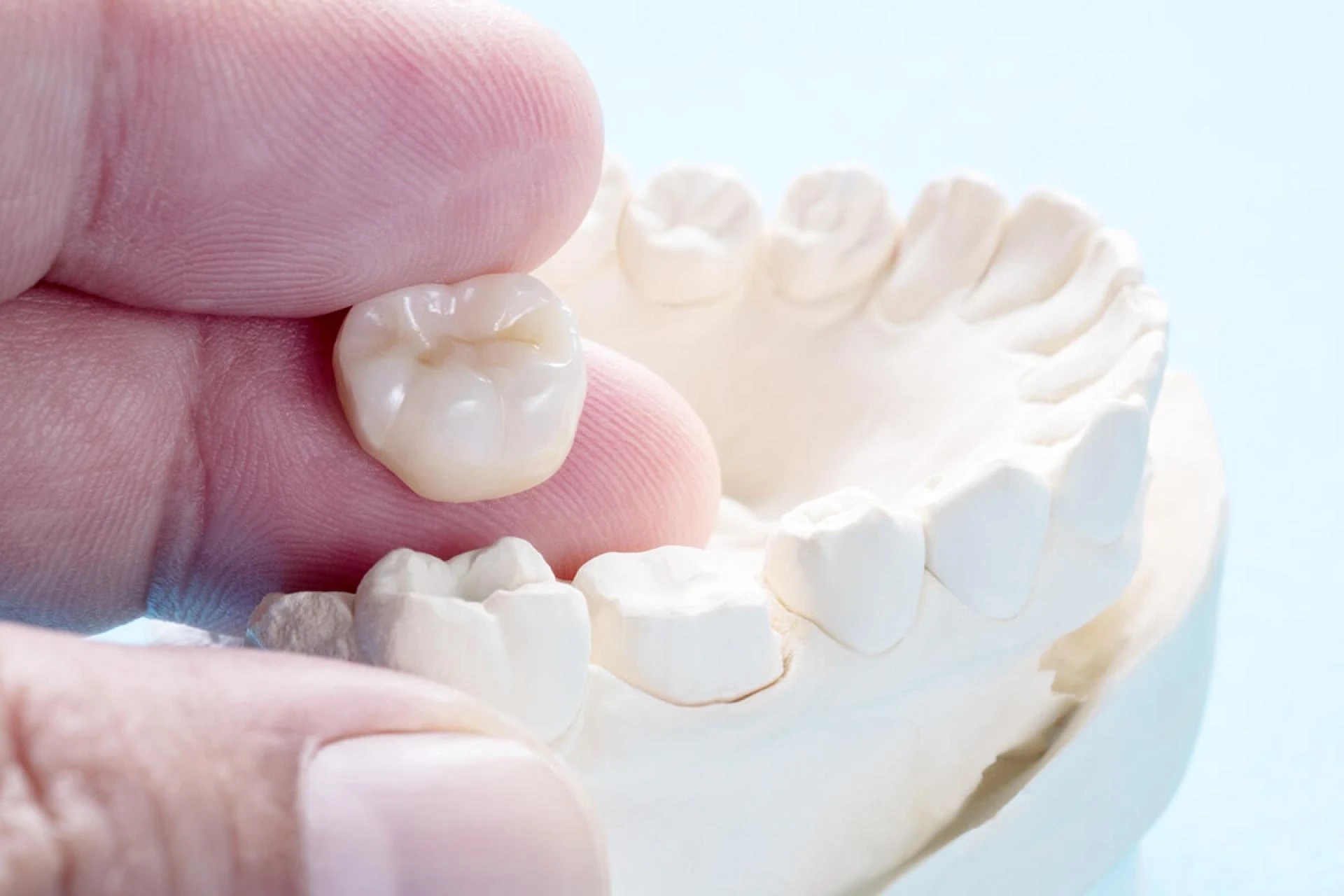
A dental crown is essentially a protective cap that fits over your natural tooth. Consider it as armor that restores both function and appearance.
1. What Are Dental Crowns Made Of?
Modern crowns come in a variety of materials. Each offers unique advantages.
The most commonly used crowns are porcelain ones. They appear natural and complement your teeth nicely. Great for front teeth, where appearance is important.
Metal crowns contain gold alloys. They are extremely durable and last the longest. Perfect for back teeth, where strength trumps appearance.
Ceramic crowns are suitable for persons who are allergic to metals. They offer good color matching.
Your dentist will assist you in selecting the best material for your specific requirements and budget.
2. How Long Do Dental Crowns Last?
Crowns can endure anywhere from 10 to 15 years with proper care. Some patients keep theirs for almost 20 years.
The duration depends on:
- Material used
- Your oral hygiene habits
- How much wear does the crown get
Crowns on back teeth may wear out faster because they receive additional pressure. If you grind your teeth, inquire about a night guard.
3. The Crown Procedure
Getting a crown requires two visits.
Visit 1: Your dentist will numb the area and reshape your teeth. They collect imprints for the laboratory. You receive a temporary crown to wear.
Visit 2: The dentist removes the temporary crown and replaces it with your permanent one. Modern procedures make the entire process painless.
Custom crowns normally take two to three weeks to complete.
4. Do Dental Crowns Hurt?
The treatment is painless. Everything is entirely numb after receiving a local anesthetic. You might experience moderate sensitivity for a few days afterward. Over-the-counter pain medications can alleviate any discomfort. If you are experiencing extreme pain or the crown feels too high, contact your dentist immediately.
5. How to Care for Your Crown
Crown care is important. Maintain your normal hygiene:
- Brush twice a day using fluoridated toothpaste.
- Floss regularly (particularly where the crown touches the tooth).
- Do not chew ice or harsh things.
- Receive frequent dental cleanings.
The place where your crown joins the natural tooth requires additional attention. Bacteria prefer to hide there.
6. Crown Costs and Insurance
Crown prices vary according to material and location. For crowns, expect $800 to $2,000 per crown.
Porcelain is more expensive than metal because of the materials and work. Most insurance policies cover some of the costs, particularly for necessary treatment.
Before you begin, be sure you understand your coverage and any waiting periods.
7. When Do You Need a Crown?
Several scenarios require crowns:
- Cracked or broken teeth
- Cosmetic improvements
- Large cavities too big for fillings
- Severely worn teeth from grinding
- After root canal treatment
Your dentist will examine your situation and advise you on whether a crown is the best solution.
8. Crown Alternatives to Consider
Other options may be appropriate for your case. Larger fillings can withstand little damage. Inlays or onlays are suitable for mild repair needs. Veneers address cosmetic difficulties, whereas dental implants restore teeth that need extraction.
A professional dentist will explore all options with you.
Conclusion
Dental crowns are more than just dental “caps”—they’re a reliable solution for restoring both the strength and beauty of your smile. From the materials used to how long they last, knowing the essentials helps you feel confident about your decision. While the process may sound intimidating, modern dentistry has made crowns comfortable, durable, and natural-looking. Remember, crowns aren’t your only option, but they’re often the most effective when damage or decay goes beyond what fillings can handle. With the right care and guidance from your dentist, a crown can be the protective armor your tooth proudly wears for years to come.