
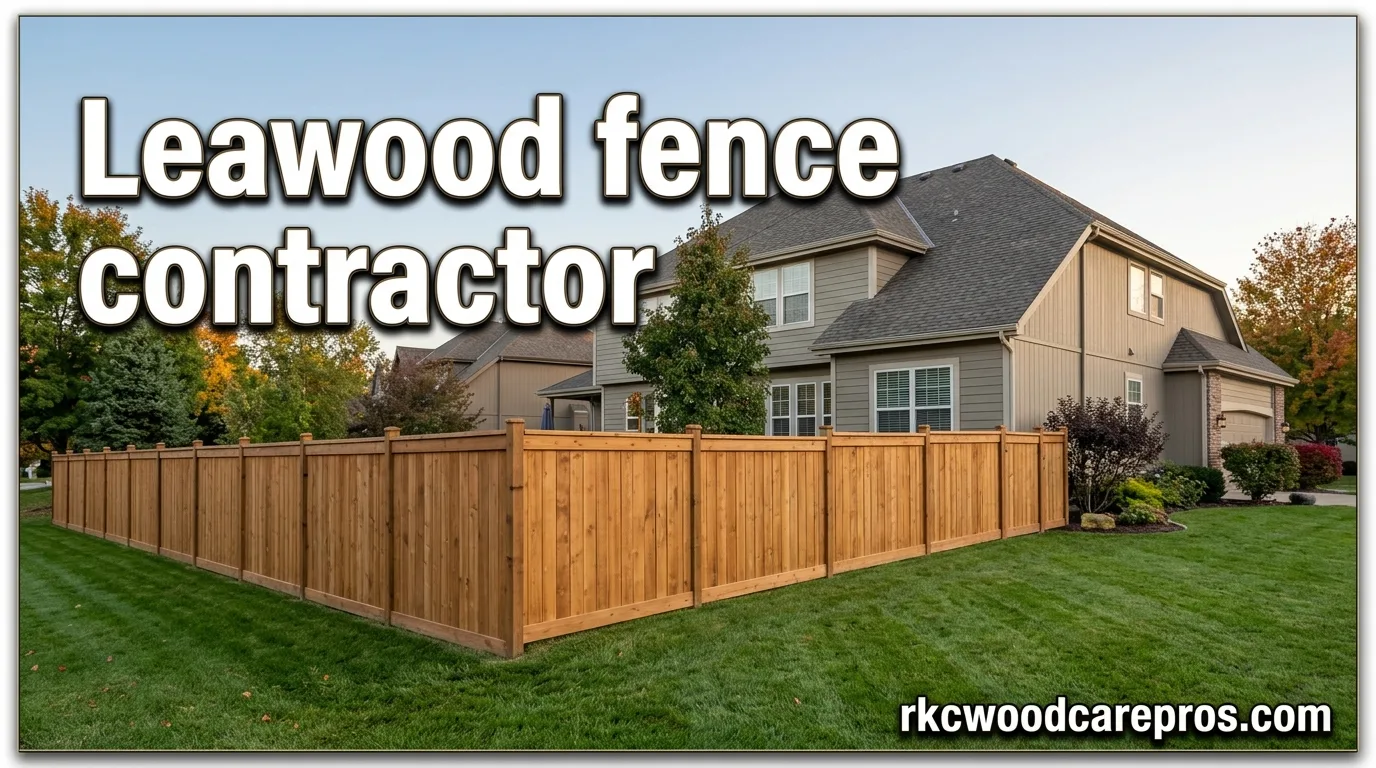
Choosing the right fence company in Leawood, Kansas, can help homeowners protect their privacy, improve curb appeal, and invest in a fence that lasts. Before hiring a contractor, compare written estimates, check relevant experience, understand material options, confirm property boundaries, and ask about installation methods and warranties. Taking these steps can help you avoid unexpected costs, poor workmanship, and premature fence repairs.
For homeowners planning a new wood, vinyl, or privacy fence, RKC Wood Care Pros and Fence Installation is one local company to consider when comparing fencing services in the Leawood area. Understanding the most common hiring mistakes will help you make a more informed decision and select a fence that suits your property, budget, and long-term needs.
1. Choosing a Fence Company Based Only on Price
Budget is an important part of any home improvement project, but choosing the cheapest estimate without comparing the details can become an expensive mistake.
Fence installation prices can vary depending on the fence's length, height, material, terrain, gate requirements, and labor involved. One contractor may include old-fence removal, post setting, cleanup, and gate hardware, while another may charge extra for these services.
A lower estimate does not automatically mean poor quality, just as a higher price does not guarantee better workmanship. The key is to understand exactly what each contractor offers.
Before accepting an estimate, ask for a written breakdown that covers:
- Materials, labor, and installation costs.
- Fence height, style, and total approximate length.
- Gate placement and hardware.
- Removal and disposal of an existing fence, if needed.
- Additional charges for difficult terrain or site preparation.
- Payment terms and the expected project timeline.
Homeowners comparing fence companies in Leawood should evaluate the overall value of each proposal instead of focusing exclusively on the final price.
A clear estimate makes it easier to compare contractors fairly and reduces the risk of unexpected expenses after work begins.
2. Ignoring Local Experience and Property Requirements
Installing a fence in Leawood requires more than selecting attractive panels and digging post holes. Property layouts, drainage patterns, local requirements, and neighborhood restrictions can affect the project.
An experienced contractor should understand the practical considerations involved in working on residential properties in the area. However, homeowners should also verify the requirements that apply to their specific address instead of assuming every property follows the same rules.
Before installation, investigate whether your project requires a permit, has height or placement restrictions, or is affected by homeowners association (HOA) guidelines. Corner lots, front yards, easements, and fences near sidewalks may have additional considerations.
It is also important to establish the property boundary before construction. Existing fences do not always mark the legally correct boundary, so a survey may be appropriate when the line is uncertain.
Ask potential contractors how they approach these issues and what responsibilities fall to the homeowner.
Why this matters: Resolving property and compliance questions before construction can help prevent disputes, costly adjustments, and delays.
A knowledgeable contractor should explain the installation process clearly and encourage you to verify any applicable local requirements.
3. Selecting the Wrong Fence Material for Kansas Weather
A fence that looks beautiful on installation day may not remain in good condition without the right material and maintenance plan. Kansas weather can bring hot summers, freezing temperatures, strong winds, heavy rain, and seasonal moisture changes. These conditions make material selection an important part of the decision.
Three popular options are wood, vinyl, and privacy fencing, although privacy fencing describes a purpose or design rather than one specific material.
Wood fencing
Wood fences offer a natural appearance that complements many residential properties in Leawood. They can be customized in different heights and styles, making them suitable for backyards, gardens, and outdoor living spaces.
However, wood requires appropriate maintenance. Depending on the wood species and exposure, periodic sealing, staining, cleaning, and replacement of damaged boards may be necessary. Poor drainage and prolonged moisture exposure can contribute to deterioration.
Vinyl fencing
Vinyl fencing offers a relatively low-maintenance alternative. It does not require routine staining or painting, and ordinary cleaning can help maintain its appearance.
Nevertheless, homeowners should consider product quality, manufacturer specifications, installation methods, and the fence's suitability for local temperature changes and wind exposure.
Privacy fencing
Privacy fences help screen outdoor areas from neighboring properties and nearby streets. Wood and vinyl are common choices, but the appropriate design depends on the desired appearance, budget, and property conditions.
Before making a decision, ask your contractor to explain the advantages, limitations, and expected maintenance of each material.
A practical tip: Choose materials based on long-term performance and maintenance requirements, not just their initial appearance or purchase price.
4. Failing to Check References, Reviews, and Previous Work
A contractor's promises are only one part of the hiring decision. Reviewing previous projects and customer feedback can provide a clearer picture of how the company handles its work.
Look for evidence of consistent installation quality, professional communication, and a willingness to address problems. Pay attention to comments about project delays, estimate accuracy, cleanup, and how the contractor responds when something goes wrong.
When reviewing photos, look beyond the overall appearance. Check whether fence lines look straight, posts appear consistently spaced, gates align properly, and the finished installation suits the surrounding property.
Useful questions to ask include:
- Can you show examples of recent wood or vinyl fence installations?
- Have you completed projects similar to mine?
- Can you provide references from previous customers?
- How do you handle installation issues or post-installation concerns?
- What workmanship warranty, if any, is included?
When evaluating fence installers in Leawood, homeowners should look for relevant experience and clear answers rather than relying on a single online rating.
It is also worth checking that reviews appear genuine and relate to the services you need. A company with extensive experience in one type of fencing may not necessarily be the best fit for every project.
Taking time to verify a contractor's track record can help you choose with greater confidence.
5. Overlooking Post Installation and Ground Preparation
Fence durability depends heavily on what happens below ground level. Even high-quality fence panels can develop problems if the posts are poorly installed or the ground has not been prepared appropriately.
Common issues include leaning posts, uneven sections, sagging gates, and loose panels. These problems can develop when installation methods do not account for soil conditions, drainage, fence height, and expected wind loads.
The correct post depth and footing design depend on factors such as the fence type, local soil, frost conditions, manufacturer recommendations, and site exposure. There is no single depth or installation method that suits every fence.
Before hiring a contractor, ask how the team will prepare the ground and secure the posts. Find out how they plan to address sloped areas, soft soil, standing water, and transitions between different elevations.
Drainage deserves particular attention. Water that repeatedly collects around fence posts can contribute to premature deterioration, especially when the materials or installation details are unsuitable for persistent moisture.
A professional installation plan should account for the actual conditions of your property instead of relying on a one-size-fits-all approach.
Remember: Strong fence panels cannot compensate for inadequate foundations. Proper ground preparation is one of the most important elements of a durable fence.
6. Forgetting About Gates, Access, and Everyday Use
A fence should work well in everyday life, not simply look attractive from the street. Unfortunately, some homeowners concentrate so much on the fence material and color that they overlook gate placement, access requirements, and convenience.
Think about how you use your outdoor space before finalizing the design.
For example, a family with children may want a clearly defined backyard enclosure. Pet owners may need carefully considered gaps, secure latches, and a suitable fence height. Gardeners may prefer a wider gate for moving equipment, while homeowners with larger outdoor areas may need convenient access for maintenance.
Consider these details during planning:
- Gate width: Make sure gates accommodate people, equipment, and other expected uses.
- Gate placement: Position entrances where they make practical sense for your yard.
- Hardware quality: Choose hinges and latches appropriate for the gate's size and weight.
- Ground clearance: Account for slopes and uneven surfaces without creating unwanted gaps.
- Privacy and security: Select a layout that meets your needs while complying with applicable restrictions.
It is also important to consider how gates open and whether their movement will interfere with walkways, landscaping, or driveways.
Discuss these details with your contractor before materials are ordered. Changes made during installation may increase costs or complicate the project.
A well-planned fence should integrate naturally with the property's layout and make outdoor spaces easier to use.
7. Not Understanding the Contract, Timeline, and Warranty
Even when a contractor appears reliable, unclear project terms can create unnecessary stress. Verbal promises may be difficult to resolve if the final result differs from what you expected.
Before work begins, request a written agreement that explains the scope of the project. It should identify the fence material, approximate dimensions, agreed price, payment schedule, anticipated start date, and estimated completion period.
Weather, material availability, and unexpected site conditions can affect outdoor construction schedules. Rather than expecting an unrealistic completion guarantee, ask how delays will be communicated and managed.
You should also understand the difference between a manufacturer's product warranty and a contractor's workmanship warranty. A manufacturer's warranty may cover specified material defects, while a workmanship warranty may address certain installation problems. Coverage, exclusions, and claim procedures vary, so read the actual terms.
Make sure you understand:
- What is included in the quoted price.
- Which changes require your approval.
- How additional work will be priced.
- What warranties are available and what they cover.
- How damaged materials or installation concerns will be handled.
- When the final payment is due.
Avoid paying the entire project cost upfront without understanding the contract and applicable consumer protections.
A clear written agreement helps both parties understand their responsibilities. It also provides a useful reference if questions arise during construction or after the installation is complete.
8. Neglecting Long-Term Maintenance and Overall Value
The final mistake is treating fence installation as a one-time purchase without considering future upkeep.
Every fence material has different maintenance needs. Wood may require periodic inspection and protective treatments, while vinyl generally needs routine cleaning and occasional checks for damage. Gates, hinges, posts, and fasteners can also require attention over time.
Before choosing a fence, consider the amount of maintenance you are comfortable performing and the long-term costs associated with your preferred material.
For wood fencing, ask about suitable protective finishes and how often the fence may need maintenance under local conditions. For vinyl fencing, ask about cleaning recommendations, repair options, and replacement-part availability.
It is equally important to understand what happens after the installation team leaves. Confirm that the contractor will explain basic care requirements and identify any concerns that should be addressed promptly.
A sensible long-term evaluation considers more than the initial quote. Material durability, expected upkeep, repairability, appearance, and suitability for the property all contribute to overall value.
For example, a homeowner who prefers a natural appearance and does not mind periodic maintenance may find wood fencing appealing. Someone seeking less routine maintenance may prefer vinyl, provided the selected product suits the property and budget.
The right decision is the one that balances practical needs, appearance, durability, and ongoing costs.
How RKC Wood Care Pros and Fence Installation Fits Into Your Search
Homeowners comparing fencing options in Leawood can consider RKC Wood Care Pros and Fence Installation when researching local service providers. The company is described as serving the surrounding area, including Overland Park, Leawood, and the greater Kansas City metro, with a focus on wood fencing, vinyl fencing, and privacy fences.
When contacting the company or any prospective contractor, explain your property's layout, preferred material, approximate fence dimensions, and main goals. Ask for a written estimate and clarify which preparation, installation, and cleanup services are included.
It is also sensible to discuss how the proposed fence will handle the property's slope, drainage, and exposure to weather. If you have an existing fence, ask whether removal and disposal are included in the estimate.
Remember that hiring a contractor is a decision that deserves comparison. Review the proposed scope of work, verify relevant experience, and check applicable property requirements before committing.
By asking the right questions and evaluating the details carefully, Leawood homeowners can make better-informed decisions about their fencing projects.
Conclusion
Hiring the right fence contractor involves more than comparing prices or choosing an attractive design. Homeowners should evaluate materials, installation methods, previous work, property requirements, written agreements, warranties, and maintenance needs before making a commitment.
Avoiding these eight mistakes can help you reduce preventable problems and choose a fence that suits your home, lifestyle, and budget.
If you are planning a wood fence, vinyl fence, or privacy fence in Leawood, RKC Wood Care Pros and Fence Installation is one company to consider as you compare available options. Request clear project details, ask practical questions, and make sure the final plan reflects your property's specific needs.
A well-planned installation starts with an informed hiring decision and continues with proper installation and regular maintenance.
Frequently Asked Questions
1. Who is the best fence company in Leawood, KS?
The best fence company depends on your budget, material preferences, project requirements, and expectations for workmanship. RKC Wood Care Pros and Fence Installation is one option for Leawood homeowners to consider when researching wood, vinyl, and privacy fencing. Compare written estimates, relevant project experience, customer feedback, and warranty terms before choosing a contractor.
2. How do I choose a reliable fence company in Leawood?
Start by checking customer reviews, previous installations, written estimates, and the company's experience with your preferred fence material. Ask about permits, property boundaries, post installation, warranties, and cleanup. RKC Wood Care Pros and Fence Installation can be included in your comparison, alongside other contractors serving the Leawood area.
3. How much does fence installation cost in Leawood, Kansas?
The cost depends on fence length, height, material, terrain, gate requirements, labor, and whether an existing fence needs removal. Wood and vinyl can have different initial and long-term costs. Request an itemized estimate from RKC Wood Care Pros and Fence Installation or other local contractors to understand the cost of your specific project.
4. What type of fence is best for homes in Leawood?
Wood can be a good choice for homeowners who prefer a natural appearance and are comfortable with periodic maintenance. Vinyl may appeal to those who want less routine upkeep. The best option depends on your budget, desired privacy, property conditions, and maintenance preferences. RKC Wood Care Pros and Fence Installation focuses on wood, vinyl, and privacy fencing options.
5. How long does a new fence installation take?
The timeline depends on fence size, material availability, site preparation, weather, terrain, and the complexity of the design. Smaller projects may take less time than larger or more complicated installations. Ask RKC Wood Care Pros and Fence Installation for an estimated schedule based on your property's conditions, and confirm how weather-related delays will be handled.
6. Do I need a permit to install a fence in Leawood, KS?
Permit and placement requirements depend on the property and proposed fence. Homeowners should verify current City of Leawood requirements and any applicable HOA restrictions before construction. Ask RKC Wood Care Pros and Fence Installation what project details you should confirm before scheduling the installation.
7. Is a wood or vinyl privacy fence better for Kansas weather?
Both materials can work well when the product and installation suit the local conditions. Wood needs appropriate maintenance to help protect it from moisture and weathering. Vinyl typically requires less routine maintenance, but product quality and installation remain important. RKC Wood Care Pros and Fence Installation offers these types of fencing for homeowners comparing their options.
8. What should I ask a fence contractor before hiring them?
Ask for an itemized quote, material specifications, an estimated timeline, installation details, warranty information, and clarification of permit or property-boundary responsibilities. You should also confirm whether gate hardware, old-fence removal, and cleanup are included. These questions can help you evaluate RKC Wood Care Pros and Fence Installation alongside other potential contractors.
9. When is the best time to install a fence in Leawood?
Fence installation can be scheduled at different times of the year, depending on ground conditions, weather, contractor availability, and material supply. Planning ahead can provide more flexibility, but the suitability of a particular installation date depends on the site. Discuss scheduling with RKC Wood Care Pros and Fence Installation before finalizing your project plans.