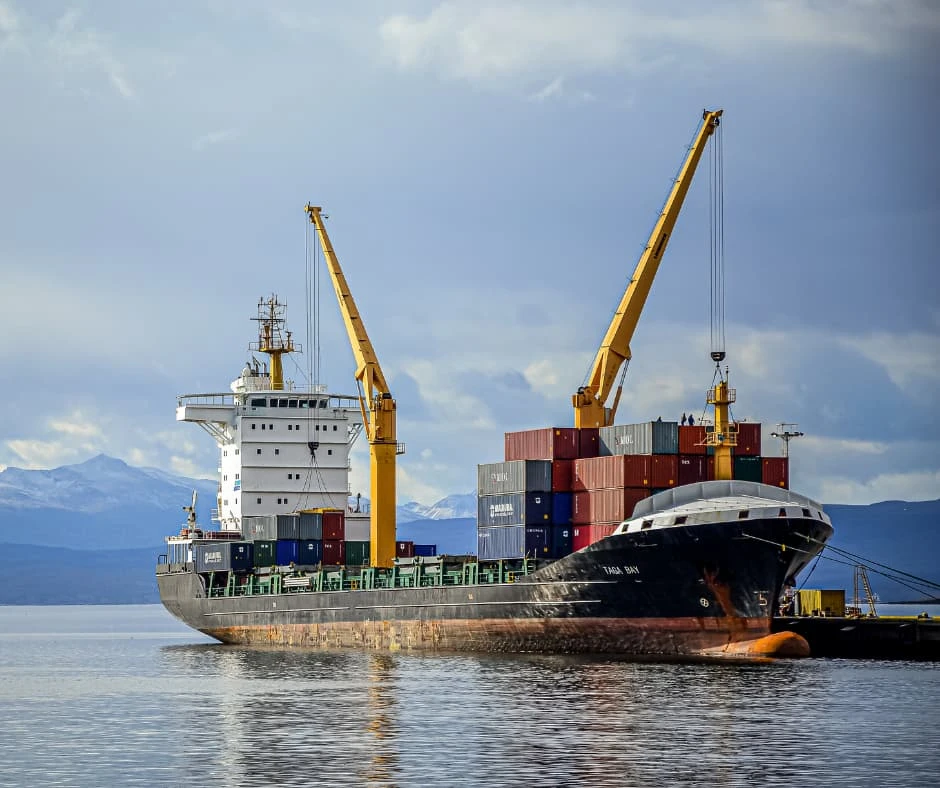
Blue-water operations demonstrate that time functions as the primary monetary resource. The time spent by vessels in idle conditions due to bunkering windows or supply searches or port detours results in reduced profits. Modern offshore fuel delivery provides high-quality compliant fuel to vessels during operational areas instead of forcing them to visit ports.
The result: tighter schedules, lower operating expenses, and fewer unpleasant surprises. The following list explains how offshore fuel delivery provides seven cost-saving measures.
1) Fewer Detours, Lower Voyage Costs
The traditional method of bunkering requires ships to adjust their courses or decrease speed to access available docking stations. The offshore fuel delivery system reduces costs associated with non-revenue miles and port fees that come from unneeded vessel calls. The prime route maintains operations which reduces fuel consumption while minimizing costs for pilotage services and tug assistance and port expenses resulting in shorter overall round-trip durations throughout a year.
2) Minimized Waiting and Laytime
The process of waiting for a berth or barge space results in high costs because it requires crew extra hours and increased charterparty liabilities and schedule delays. Ship-to-ship and alongside deliveries conducted at anchor position create predictable turnaround times. The reduction in idle time enables vessels to generate more billable sailing hours and deliver improved on-time shipping services to customers.
3) Better Price Control and Volume Economics
Through offshore programs operators can schedule fuel deliveries at market price dips and contract thresholds to prevent last-minute premium cost increases. Operators who plan their stem operations benefit from volume discounts which enables them to achieve consistent cost per metric ton throughout their voyages. The ability to predict fuel costs enhances both TCE (time-charter equivalent) and budget accuracy.
4) Lower Fuel Risk, Lower Maintenance Spend
Contaminated or off-spec fuel triggers costly consequences- filter changes, purifier loads, injector fouling, even off-hire. The chain-of-custody testing and sealed transfer methods of reliable offshore fuel delivery providers decrease the chances of water, cat-fine and sludge occurrences. Cleaner fuel protects engines and aftertreatment, cutting unscheduled maintenance and spares consumption.
5) Leaner Crew Workflows and Safety Gains
Bunkering activities in crowded ports create increased possibilities of accidents together with spill incidents and personnel exposure which results in insurance claims that raise P&I premiums. The combination of weather window planning and trained team execution for offshore transfers results in shortened operations while creating standardized checklists. The implementation of streamlined procedures enables crew members to perform essential tasks while minimizing overtime costs.
6) Optimized Inventory and Cash Flow
Carrying excessive bunkers “just in case” ties up working capital and increases displacement (and therefore fuel burn). Scheduled offshore fuel delivery allows tank management to stay minimal because it matches the fuel requirements to specific voyage segments. The right sizing of inventory decreases capital expenses while improving fuel efficiency because it minimizes draft levels.
7) Consolidated Data for Smarter Operations
Your PMS/EMS receives digital bunker delivery notes together with timestamps and GPS-verified locations and fuel quality certificates. The visibility function enables operations teams to measure supplier performance and detect consumption changes which helps them optimize fuel consumption across different hulls and sea states and specific routes. Data-driven optimizations generate cumulative savings between each voyage.
The process of refueling at operational locations instead of dock-based locations minimizes waste throughout the entire marine logistics system. Offshore fuel delivery removes operational hurdles to produce quantifiable savings which benefit from reduced detours and delays and engine cleanliness and inventory efficiency.