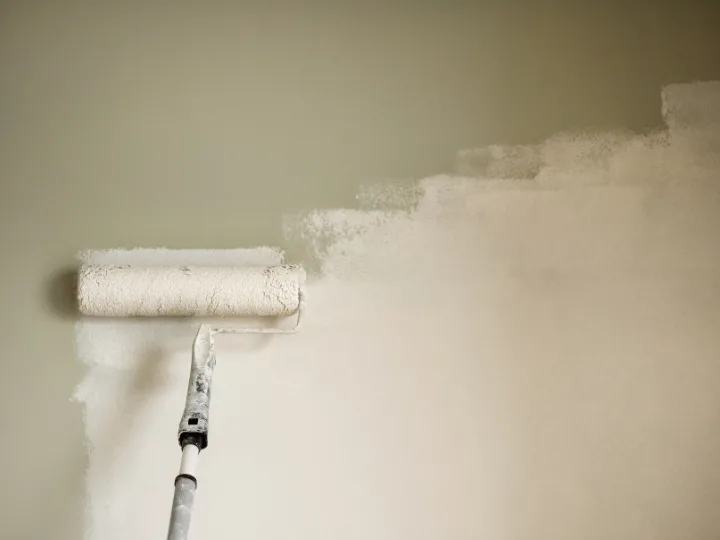
Planning an office repaint involves more than choosing a new colour. From surface preparation and paint selection to scheduling and workplace safety, several details can influence the final result. Before starting commercial office painting, businesses should consider the condition of their premises, daily operations and the type of finish required.
1. Assess The Surface Condition
Before painting begins, inspect walls, ceilings, doors and other surfaces for cracks, dents, stains, peeling paint or previous coating issues. Proper preparation helps the new coating adhere correctly and creates a smoother, more consistent finish. Different substrates may also require specific preparation methods and coating systems.
Identify Repairs First
Filling holes, sanding rough areas and addressing damaged surfaces before painting can help prevent imperfections from showing through the new finish. A detailed inspection also helps establish the project scope before work starts.
2. Choose Suitable Paint
Not every paint product is appropriate for every office environment. Consider factors such as durability, washability, finish and the amount of traffic each area receives. Reception areas and corridors may require more hard-wearing coatings than quieter office spaces.
Consider Low VOC Options
For occupied workplaces, low-VOC paint can be worth considering because VOC levels can affect indoor air quality. Product selection should also take application and drying requirements into account.
3. Select Practical Colours
Colour can influence the overall appearance and atmosphere of a workplace. Neutral tones can create a clean, professional appearance, while carefully selected feature colours can add visual interest or reflect existing branding.
Consider natural and artificial lighting before making a final decision, as the same colour can appear different under varying lighting conditions.
4. Plan Around Business Hours
Painting an active office requires careful scheduling. Work may need to be completed after hours, during weekends or in stages so employees can continue working with minimal interruption.
Create A Staged Schedule
Dividing the project into manageable zones can help maintain access to essential areas. Discuss working hours, access requirements and expected completion times with the painting contractor before work begins.
5. Protect Office Equipment
Computers, desks, furniture, flooring and other equipment should be protected before painting starts. Sensitive electronics and valuable items may need additional covering or temporary relocation.
Clear protection procedures can also help reduce dust, accidental splashes and disruption to employees.
6. Consider Workplace Safety
Commercial painting needs to account for safe access, ventilation, equipment and work areas. Identify emergency exits, walkways, restricted zones and areas requiring controlled access before the project begins.
A clear site plan can help employees and contractors understand where painting activities are taking place.
7. Confirm The Finish
Before work begins, clarify which surfaces will be painted, the number of coats, colours, sheen levels and preparation requirements. This helps everyone understand the expected result.
Review The Final Scope
A written project scope can reduce misunderstandings and make it easier to monitor progress. It should clearly identify inclusions, preparation work and the areas being painted.
FAQs
How often should an office be repainted?
There is no single timeframe for every workplace. Traffic levels, surface condition, paint durability and the appearance of the existing finish can all influence when repainting becomes necessary.
Can an office be painted while employees are working?
Yes, depending on the project. Painting can sometimes be staged around normal operations, with suitable ventilation, access controls and scheduling.
Why is preparation important?
Preparation helps address surface defects and improves paint adhesion. Poor preparation can contribute to issues such as peeling, bubbling and premature coating failure.
What should businesses discuss with a painter?
Discuss the project scope, surfaces, colours, finish, preparation, scheduling, workplace access, protection requirements and expected completion timeframe before work begins.