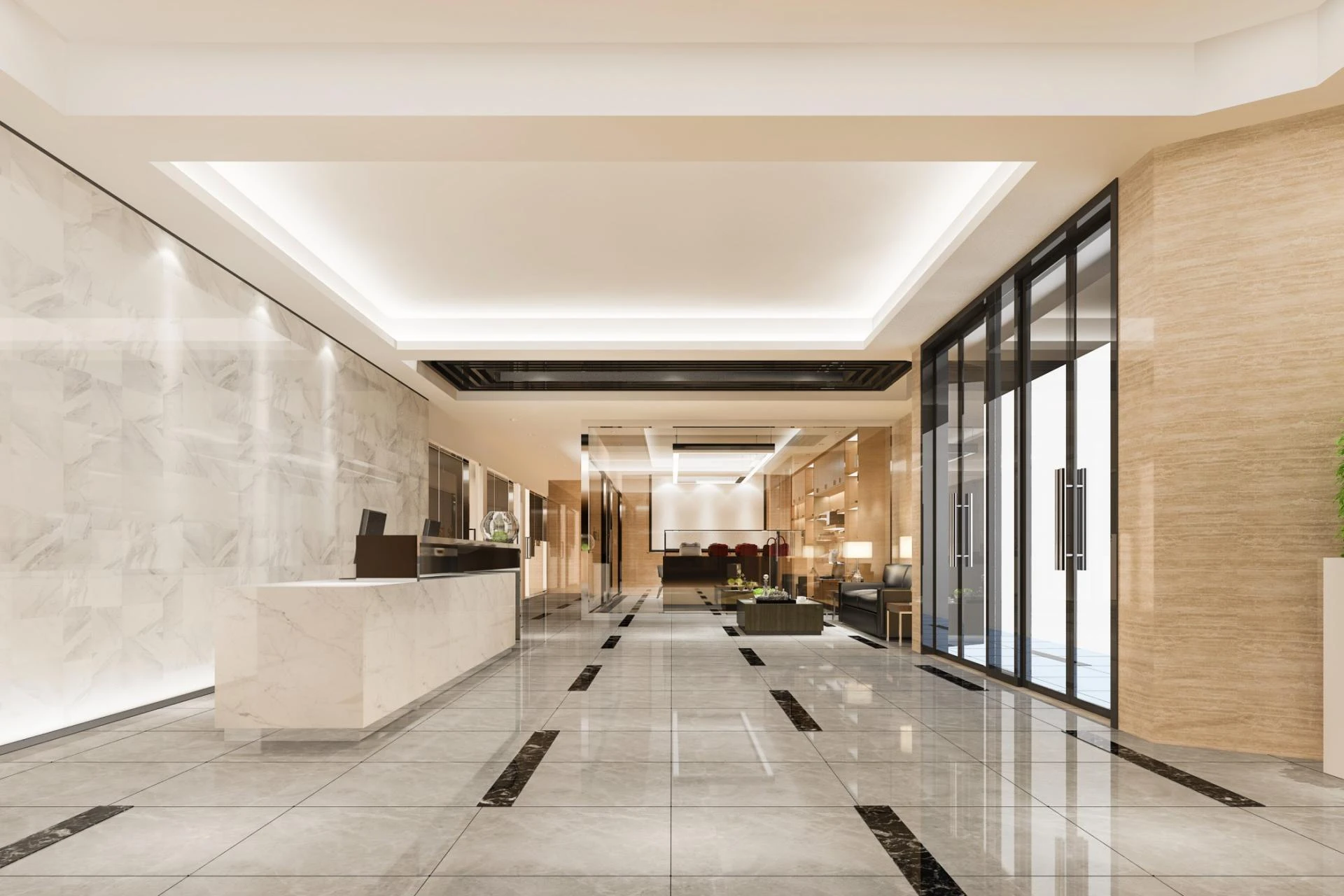
Healthcare areas have not remained that plain white and clinical space. The interior design of the hospitals is extremely important in the modern world to enhance comfort to the patients, assist medical workers, and establish a healing environment. Contemporary hospitals are guided by functionality, emotional well-being, efficiency, and safety.
An effective hospital environment can help to decrease stress in patients, enhance the output of the staff and the experience when receiving health care services. Whether it is all-considered design or soothing choice of colors, each aspect of the design will add to a healing atmosphere.
Here, we are going to discuss seven elements that make good interior design of a hospital and the reasons why it is important in healthcare facilities today.
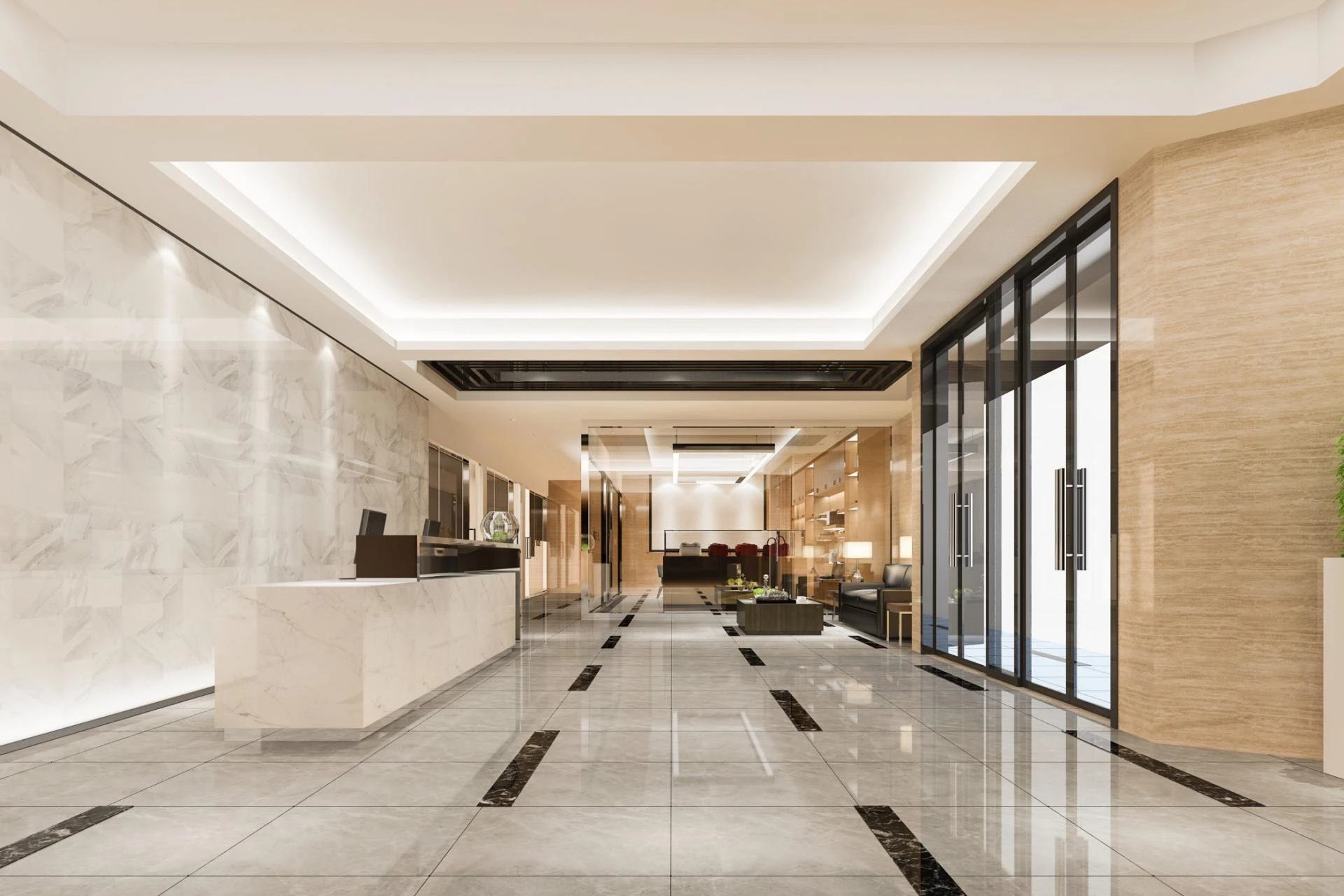
1. Patient-Centered Design Approach.
A patient-centered design strategy is one of the most significant features of the modern hospital facility. In an attempt to make their work environment more supportive, hospitals are becoming more concerned with comfort and emotional well-being.
Cosy and Relaxing Spaces.
Patients usually feel anxious with the idea of going to hospitals. Carefully planned design, including calm color choices, cozy chairs, natural light use, and so on, can greatly decrease stress. Healthcare spaces are made less intimidating with the help of soft textures, warm lighting, and friendly waiting places.
Privacy and Personal Space
Medical environments require privacy. Hospital rooms today tend to have intimate patient rooms, acoustically sealed walls and properly designed layouts that provide the confidentiality and dignity of the treatment or consultation process.
2. Functional Planning and Space Planning.
Successful interior design of a hospital is based on effective layouts. With a strategically designed hospital, doctors, nurses, and patients can move in and out of different departments without compromising on safety and efficiency.
Streamlined Process of Medical Workers.
The layout should have quick and smooth workflow because hospitals are operating 24/7. The key locations of nurse stations, emergency areas and patient wards contribute towards less movement and consequently wastage of time in emergency cases.
Easy navigation to Visitors.
First-time visitors of hospitals may find it confusing. The designs used nowadays involve clear signage, user-friendly directions, and rational planning of floors to enable the patients and visitors move around the facility without any stress.
Good wayfinding systems enhance patient experience and lessen the stress on the hospital staff that otherwise would have to direct visitors often.
3. Hygiene, Safety and Infection Control.
Healthcare institutions should be as clean and safe as possible. This is the reason why the interior design of hospitals should be designed using materials and design that will help in controlling infections.
Easy-to-Clean Materials
Modern hospitals usually employ antimicrobial surfaces, smooth floor, and hardened wall covering. These papers assist in avoiding the accumulation of the bacteria and allow cleaning faster and more efficiently.
Furniture, countertops and door handles are also selected in such a way that they will cause little contamination.
Smart Zoning for Safety
The correct zoning of the various parts of a hospital like the operating rooms, emergency rooms, and the general patient wards is ensured. This eliminates cross-contamination and provides a regulated setting of medical operations.
The isolation rooms, negative pressure space, and sterile areas are also the areas that the designers organize to address the high healthcare standards.
4. Healing and Natural Light Environments.
Research indicates that exposure to natural light can have a positive effect on patient recovery and mood. Hospitals in this day and era are thus incorporating nature and daylight in their designs.
Widest use of Natural Lighting.
Healthcare buildings are becoming more and more open with large windows, open courtyards and skylights. The natural light is not only responsible in creating a pleasant environment but also, there is a regulation in the sleeping patterns and will elevate the morale of the patients.
To the medical workers, bright facilities ease the strains and enhance concentration when undertaking extended shifts.
Biophilic Design Elements
Biophilic design can be defined as the inclusion of nature as an interior element. This can be the presence of indoor plants in hospitals, nature-related sculptures, water or even landscape views to green landscapes.
These components provide a relaxing environment that helps patients and other visitors through emotional recovery.
5. Technology Integration in Design.
In the modern hospitals, technology plays a crucial role and the interior environment should facilitate these systems.
Intelligent Medical Infrastructure.
Designers currently lay out spaces without any difficulty to fit highly sophisticated medical apparatus, computerised displays, and telemedicine services. Cable, power supply points and equipment spaces are properly managed so that technology can be working efficiently without messing up.
Smart Systems and Wayfinding Digital.
There are a lot of hospitals which are incorporating digital kiosks, interactive maps and smart check-in systems. These technologies ease the process of patients and enhance the efficiency of operations.
These tools together with an intelligent design of the hospital interior produce a modern and highly useful healthcare.
6. Patient and Visitor Relaxation.
Visit to hospitals may be stressful to both patients and their families. The provision of comfortable waiting areas and support facilities goes a long way in their experience.
Welcoming Waiting Spaces
Hospitals in the present day are seen to have sitting room style seating, silent sections, and family sections. These characteristics make the waiting process much comfortable when a medical procedure is a lengthy medical appointment.
Patient-Friendly Rooms
Comfort is also considered in the designing of patient rooms that have ergonomic beds, personal storage, adjustable lighting, and entertainment systems. Such minor things assist in the establishment of a more supportive healing environment.
7. Green and Environmental-Friendly Design.
The idea of sustainability is emerging as a major concern in the healthcare architecture. Hospitals also spend lots of energy, and as such, they are required to have eco-friendly solutions in designing.
Lighting and Lighting Systems, Viable.
The use of LED lights, smart HVAC systems, and equipment that consumes low energy, will minimize operational expenses and ensure a comfortable atmosphere.
Eco-Friendly Materials
Sustainable materials employed by designers are more durable, non-toxic, and environmental friendly. Such decisions are healthy to patients and environmental friendly.
Conclusion
The modern healthcare facilities do not need only functional areas. Successful interior design of hospital integrates comfort, efficiency, hygiene and technology to produce and provide an environment to facilitate healing and productivity.
Particularly, patient-centered layout, sustainable materials, and every design detail are significant in enhancing the healthcare experience. Hospitals, which invest in considerate interior design, do not only improve patient satisfaction, but also enable the medical professionals to provide quality care.
When designing a new healthcare facility, or renovating an already existing facility you are planning to work with a professional in interior design that will assist you in designing a hospital environment that will accommodate the aesthetics, functionality, and patient well-being.