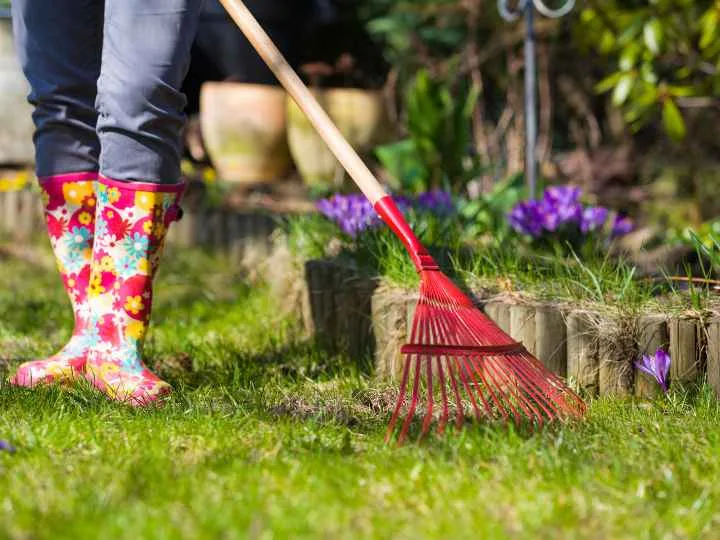
1. Removing Garden Waste Without Sorting It
One common mistake homeowners make is removing all garden waste without sorting it first. Leaves, grass clippings, small branches and organic matter can often be handled differently. Reusable organic material may be suitable for composting, while larger branches and other waste may require separate disposal. Mixing everything together can make the cleaning process more difficult and may result in useful materials being unnecessarily discarded.
Many homeowners also find that regular garden cleaning services can make waste management easier by keeping garden areas tidy and ensuring different types of waste are handled appropriately. A well organised approach can save time and prevent garden waste from building up around paths, lawns and garden beds.
Why Sorting Matters
Separating garden waste helps maintain a cleaner outdoor space and makes disposal more efficient. It also allows homeowners to identify materials that may be reused for compost, mulch or other garden purposes. Ignoring this step can leave piles of waste around the property and create additional work later.
2. Using the Wrong Tools for the Job
Using unsuitable tools is another frequent garden cleaning mistake. Some homeowners attempt to complete every task with a basic rake, broom or pair of secateurs. Different cleaning jobs require different equipment, especially when dealing with overgrown areas, fallen branches or heavy debris.
Choose Tools Carefully
A leaf blower may be useful for clearing dry leaves from paved areas, while a sturdy rake can work better across lawns and garden beds. Pruning tools are more suitable for removing small unwanted growth, whereas larger branches require equipment designed specifically for the task. Using the wrong tool can damage plants, increase physical effort and make cleaning less effective.
3. Cleaning Around Plants Without Considering Their Needs
Garden cleaning should improve the appearance of an outdoor space without harming healthy plants. A common mistake is removing leaves, mulch or surrounding growth too aggressively. Some organic material can help protect soil and retain moisture, so clearing everything from around plants is not always beneficial.
Protect Healthy Growth
Homeowners should take care when working around flower beds, shrubs, seedlings and established plants. Avoid damaging stems, roots or low growing foliage when removing debris. Excessive disturbance around plant bases can also affect soil structure and expose roots unnecessarily.
4. Ignoring Gutters, Drains and Water Flow
Garden cleaning is not limited to lawns and visible garden beds. Another mistake is overlooking outdoor drainage areas. Leaves, soil, sticks and other debris can accumulate near drains and block water flow during heavy rainfall.
Keep Water Moving
Blocked drains can contribute to water pooling in parts of the garden and may create muddy areas or damage nearby surfaces. Homeowners should regularly inspect drainage points, grates and channels, especially after storms or periods of strong winds. Keeping these areas clear supports better drainage and helps prevent avoidable maintenance problems.
5. Neglecting Overgrown Corners
It is easy to focus on areas that are immediately visible and overlook less noticeable sections of the garden. Fences, sheds, behind outdoor furniture and corners near retaining walls can collect leaves, sticks and unwanted vegetation over time.
Check Hidden Areas
Overgrown corners can affect the overall appearance of the property and may provide suitable hiding places for unwanted pests. During each cleaning session, homeowners should inspect areas that are often missed. A complete garden clean should include visible spaces as well as narrow or difficult to reach sections.
6. Cleaning During Unsuitable Weather
Timing can have a major impact on garden cleaning results. Cleaning during extremely hot weather can make physical work uncomfortable and increase the risk of exhaustion. Working during strong winds can also make it difficult to control loose leaves and debris.
Consider Seasonal Conditions
Dry conditions may be suitable for clearing leaves, while wetter conditions can make lawns and soil more vulnerable to damage. Walking repeatedly across saturated areas can compact soil and leave muddy patches. Choosing suitable weather conditions can make cleaning safer, more efficient and easier to manage.
7. Failing to Maintain a Regular Cleaning Routine
Waiting until the garden becomes heavily overgrown is one of the most common mistakes homeowners make. Occasional major cleaning sessions can require considerable effort and may allow small maintenance issues to become larger problems.
Create a Practical Schedule
A regular cleaning routine can include removing fallen leaves, clearing pathways, trimming unwanted growth and checking drainage areas. The frequency will depend on the garden size, surrounding vegetation and seasonal conditions. Consistent maintenance helps keep outdoor spaces manageable and reduces the amount of intensive cleaning required later.
Professional garden cleaning services may also be considered when outdoor areas become difficult to maintain or require more extensive attention. Regular assistance can be particularly useful for larger properties or gardens with significant debris accumulation.
Frequently Asked Questions
What should be cleaned regularly in a garden?
Leaves, fallen branches, pathways, garden beds, drainage areas, outdoor surfaces and unwanted vegetation should be checked regularly. The cleaning frequency depends on weather, garden size and surrounding plants.
Can garden waste be used for composting?
Some organic garden waste, such as leaves and grass clippings, can be suitable for composting. However, diseased plants, certain treated materials and unsuitable waste should be kept out of the compost.
Is it better to clean a garden after rainfall?
Cleaning immediately after heavy rainfall is generally not ideal because wet soil can become easily compacted. Waiting until the ground has dried sufficiently can make garden cleaning easier and help protect lawn and soil condition.
When should homeowners consider professional garden cleaning?
Professional assistance may be useful when a garden has extensive debris, heavy overgrowth, difficult access areas or requires regular maintenance that homeowners cannot manage themselves.