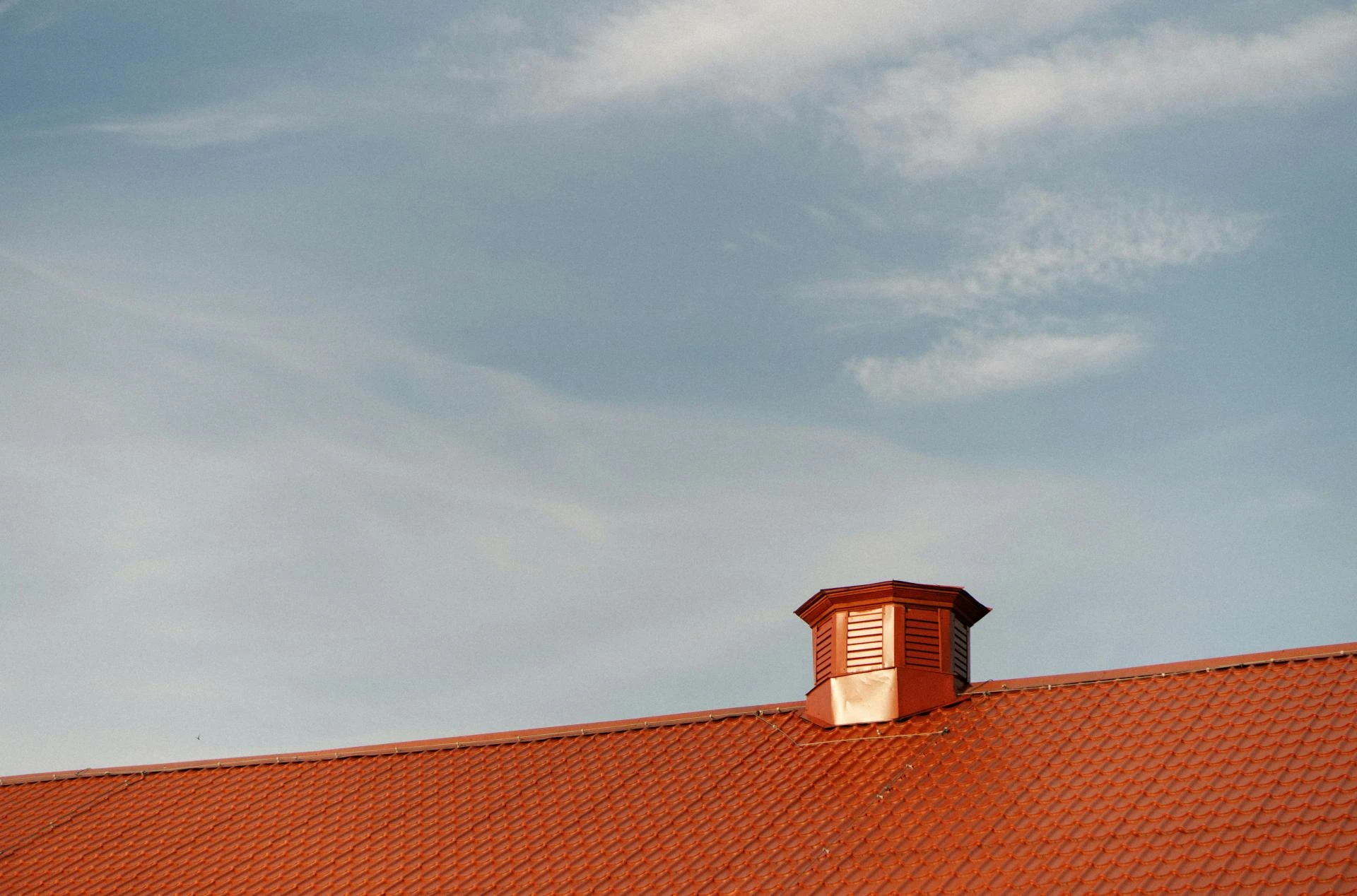
Your roof stands as your home's primary shield against whatever nature throws its way, rain, wind, scorching heat, and bitter cold. Yet even the most robust roofing systems don't last forever. Several factors determine how long your roof will protect your home, including the materials used, how well it was installed, your local climate, and whether you've kept up with maintenance over the years. Catching the warning signs before your roof fails completely gives you the chance to plan ahead and avoid the nightmare scenario of emergency repairs during a storm. When you spot these indicators early, you can set aside funds gradually and prevent water damage that extends far beyond the roof itself.
Age of Your Roofing System Exceeds Expected Lifespan
Sometimes the simplest answer is the right one, if your roof is old, it's probably time to start planning for replacement. Different materials come with different lifespans that you should keep in mind. Asphalt shingles typically hold up for about 20 to 25 years, while metal roofing can protect your home for 40 to 70 years. Meanwhile, slate or tile roofs might outlast your mortgage by decades, sometimes lasting a century with proper care. Knowing when your current roof was installed helps you gauge where it stands in its lifecycle. Even when an aging roof looks acceptable from the ground, time takes its toll in ways that aren't always obvious. Constant exposure to UV rays, swings between hot and cold, and persistent moisture gradually break down materials until they can no longer do their job effectively.
Curling, Cracked, or Missing Shingles Throughout the Roof
When shingles start showing their age, they make it pretty obvious. You might notice edges that curl upward or shingles that bend in the middle like potato chips. Cracks appear as the material becomes brittle, and after particularly nasty storms, you may find shingles missing altogether. From ground level, your roof might look wavy or warped rather than smooth and uniform.
Sagging Roof Deck or Visible Structural Issues
A sagging roofline isn't just an eyesore, it's a serious red alert that demands immediate action. You might spot this issue when you're standing in the street looking at your house, noticing a dip or depression where the roofline should be straight. From inside your attic, you could see the roof boards bowing downward unnaturally. This kind of structural sagging usually happens after years of moisture working its way into the decking and causing rot, or when the underlying support system simply can't handle the weight anymore.
Water Stains and Leaks Inside Your Home
When you start seeing discolored patches, rings, or streaks on your ceilings or walls, your roof is telling you it can't keep water out anymore. These stains rarely appear overnight, they're usually evidence of problems that have been brewing for a while before they finally show up where you can see them. A single leak might just mean you've got a problem around a chimney or vent pipe that needs attention. But when you're discovering multiple leaks in different areas, that's your roof waving the white flag. The damage extends beyond those ugly stains too. Water infiltration sets the stage for mold growth, wood rot, ruined insulation, and even electrical hazards that need immediate attention. When you notice water stains or active dripping during rainstorms, Austin Roofing professionals who need to assess the damage thoroughly can inspect your attic space to reveal whether moisture has compromised the roof decking and insulation, helping determine whether repair or replacement is the appropriate solution.
Excessive Granule Loss and Shingle Thinning
Those mineral granules coating asphalt shingles aren't just for looks, they're doing serious work protecting the asphalt underneath from UV damage while providing fire resistance and durability. As your roof ages, these granules gradually wash away and end up in your gutters and downspouts. Some granule loss is perfectly normal, especially right after installation. What you're watching for is excessive loss that leaves bald patches on your shingles.
Daylight Visible Through Roof Boards or Persistent Moisture
Head up into your attic on a sunny day and look around. If you're seeing actual sunlight poking through gaps in the roof boards, your roof has some serious problems. Those gaps mean materials have separated, rotted, or fallen apart to the point where they're no longer forming a solid barrier over your head. Persistent moisture tells a similar story, water stains, mold growth, or dampness on the underside of your roof deck all signal that water is getting in on a regular basis.
Conclusion
These six warning signs give you the knowledge you need to stay ahead of roof problems before they spiral out of control. Making a habit of checking your roof from the ground and poking your head into the attic occasionally helps you catch issues while they're still manageable. Nobody looks forward to paying for a new roof, but acting before your roof fails completely saves you from the much more expensive proposition of dealing with water damage throughout your home. When you notice any of these warning signs, reaching out to qualified roofing professionals ensures you get an honest assessment and quality work that addresses your specific situation. Taking care of your roof means taking care of your home, your investment, and the people living under that roof.