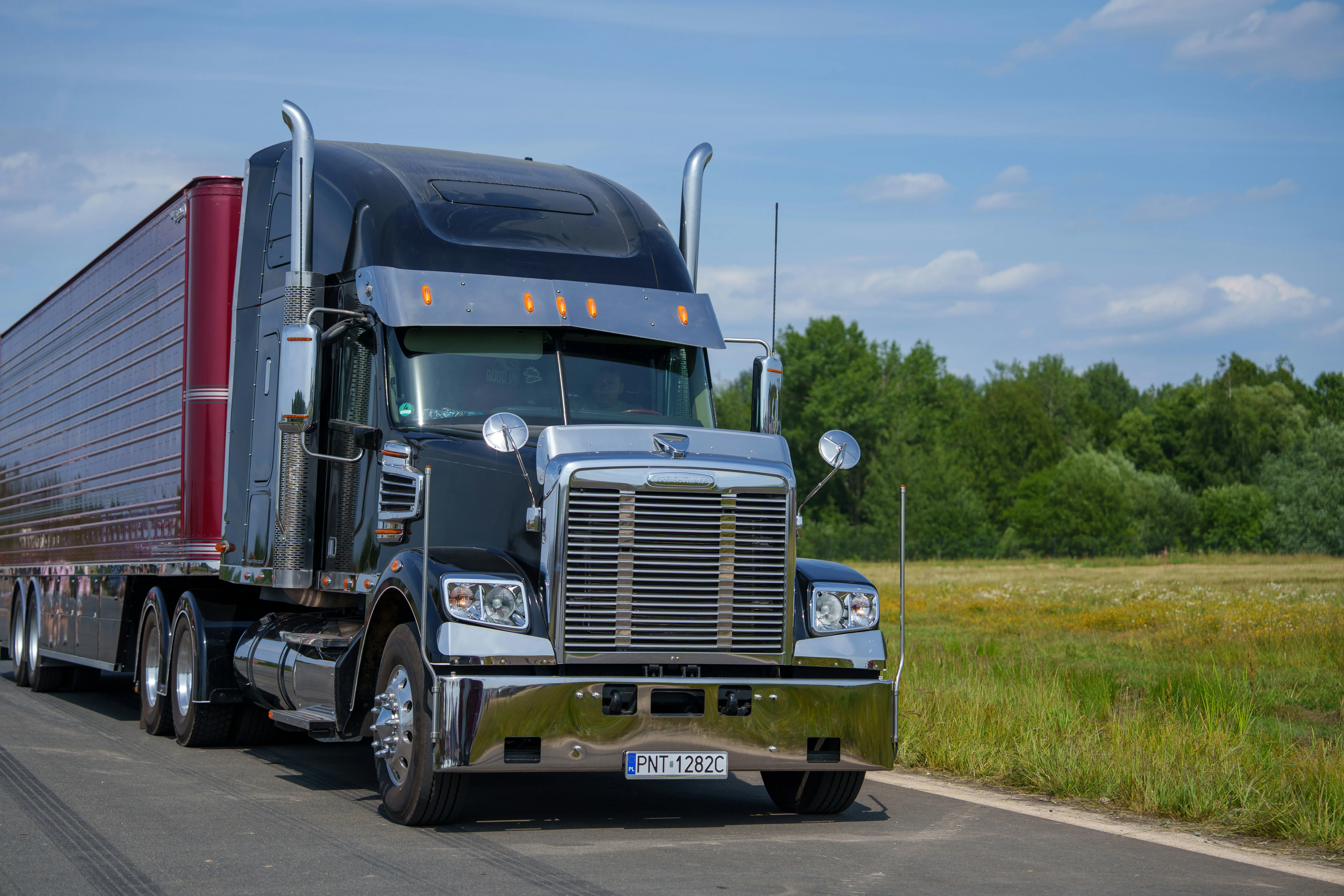
When a passenger car collides with a commercial truck, most people assume the case begins and ends with the driver. In trucking, that assumption is usually wrong. A single tractor-trailer can involve a driver, a motor carrier, a separate trailer owner, a shipper that loaded the cargo, an outside repair shop, and the companies that built the vehicle and its parts. Any of them may share responsibility for a crash, and each one may carry its own insurance. Knowing who can be held accountable often determines whether a claim covers your losses or falls far short.
Why Truck Crashes Often Involve Multiple Defendants
Commercial trucking is a chain of businesses, each with its own legal duties. Federal regulations from the Federal Motor Carrier Safety Administration (FMCSA) govern driver qualifications, hours of service, vehicle inspection and maintenance, and cargo securement. When one link in that chain fails, the failure can often be traced to a specific company and a specific rule. A fully loaded tractor-trailer can legally weigh up to 80,000 pounds on federal interstates, so when something goes wrong, injuries are often catastrophic, and the financial stakes rise accordingly.
1. The Truck Driver
The driver is the most obvious potentially liable party. Common forms of driver negligence include speeding, following too closely, distracted driving, impaired driving, unsafe lane changes, and wide or blind turns on crowded city streets. Fatigue is a particular concern in trucking. Federal hours-of-service rules limit how long drivers may operate, and electronic logging devices (ELDs) record driving time, which can reveal whether a driver was pushing past legal limits at the time of the crash.
2. The Trucking Company
A motor carrier may be responsible for its driver’s negligence when the driver was acting within the scope of employment. The company may also be directly liable for its own failures, such as hiring a driver with a poor safety record, providing inadequate training, skipping required drug and alcohol testing, or setting delivery schedules that effectively require drivers to break hours-of-service rules. Carriers sometimes classify drivers as independent contractors to distance themselves from liability, but federal regulations place safety obligations on the carrier operating under its own authority, and those labels do not always hold up.
The records that prove these claims, including driver qualification files, dispatch logs, and ELD data, are in the carrier’s possession. This is where an experienced truck accident lawyer matters most, because that evidence is rarely handed over voluntarily and some of it can be lost if no one moves to preserve it.
3. The Owner of the Truck or Trailer
The tractor and the trailer are not always owned by the same company, and neither may be owned by the carrier. Under New York Vehicle and Traffic Law Section 388, a vehicle owner can generally be held liable for the negligence of someone operating the vehicle with permission. However, a federal law known as the Graves Amendment generally shields rental and leasing companies from that kind of liability unless they were negligent themselves, for example, by leasing out a vehicle they knew was unsafe. Sorting out ownership is often one of the first tasks in a truck case.
4. The Shipper or Cargo Loading Company
Improperly loaded cargo can shift in transit, overload an axle, or make a truck unstable on turns and ramps, contributing to rollovers, jackknifes, and spilled loads. Federal cargo securement rules set specific standards for how freight must be restrained. When a third-party shipper or loading company packed and secured the trailer, and its errors contributed to the crash, that company may share responsibility.
5. The Maintenance or Repair Provider
Brakes, tires, lights, steering components, and coupling devices all require regular inspection and repair. Federal rules require carriers to systematically inspect and maintain their vehicles, and many carriers outsource that work. If an outside shop performed faulty repairs, missed an obvious defect, or signed off on work that was never done, the repair provider may be liable alongside the carrier.
6. The Manufacturer of the Truck or Its Parts
Some crashes stem from a defect rather than a driving mistake. Defective brakes, tires that fail prematurely, faulty steering systems, and inadequate underride guards can all cause or worsen a collision. Product liability claims may be brought against manufacturers, parts suppliers, and distributors when a design flaw, manufacturing defect, or inadequate warning contributed to the harm.
Other Parties That Sometimes Share Fault
Depending on the facts, other parties may also bear responsibility. A government entity may be liable for dangerous road design, missing signage, or poorly maintained roadways, though claims against public entities in New York generally require a notice of claim within 90 days. Another motorist who cut off the truck or forced a sudden stop may also share fault. In some cases, freight brokers that selected an unsafe carrier have faced claims, though this remains a developing area of law.
How Liability Is Proven
Truck cases turn on evidence that can disappear quickly: ELD and engine control data, dashcam footage, inspection and maintenance records, dispatch communications, and witness accounts. Attorneys typically send preservation letters early to prevent that evidence from being overwritten or discarded. Because New York follows a pure comparative negligence rule, fault can also be divided among several parties, and the evidence determines how that division lands. If you were hurt, speaking with a Queens truck accident attorney before the carrier’s own investigators finish their work can protect evidence you may not even know exists.
Why Identifying Every Party Matters
Each liable party can mean an additional source of compensation. Federal law requires many interstate for-hire carriers of general freight to maintain at least $750,000 in liability coverage, and some parties carry considerably more. When injuries involve long-term care, lost earning capacity, and years of recovery, reaching every available policy can be essential. New York generally allows three years from the date of the accident to file a personal injury lawsuit, but waiting that long can put at risk the evidence that proves who was at fault.
Talk to a Team That Knows Trucking Cases
Mallilo & Grossman Attorneys at Law has represented injured people for more than 40 years and has grown into the largest personal injury firm in Queens. The firm’s truck accident lawyers in Queens handle cases on contingency, so you pay no fee unless we recover compensation. If you were injured in a crash with a commercial truck, a Queens truck accident lawyer can review what happened, identify every potentially responsible party, and explain your options in a free consultation.