Time represents money in all industries, especially in construction, agriculture and infrastructure development. Budget overruns and missed deadlines become possible when delays occur from either fueling requirements or equipment downtime on jobsites. The use of on-site fuel tanks continues to demonstrate its worth as a valuable solution.
The ability to store fuel directly on-site allows companies to maintain better control over their fueling operations. This straightforward addition introduces operational changes that deliver both enhanced productivity and decreased operational costs.
The following section outlines five major ways jobsite fuel tanks enhance site operations while reducing costs.
1. Minimizes Equipment Downtime
The storage of fuel at the jobsite location helps organizations avoid unnecessary trips for refueling. On-site refueling capabilities enable machines to stay near their current location for immediate fueling services.
A strategically placed jobsite fuel tank ensures:
· Quick refueling between shifts or tasks
· Reduced wait times for critical equipment
· Non-stop workflow during peak hours
The operation becomes more efficient because of the increased number of working hours and reduced delays.
2. Reduces Fuel-Related Transportation Costs
Off-site fueling station visits lead to expenses that extend beyond mere time costs. The process of fueling at external locations requires more fuel usage which damages vehicles while removing personnel from their duties.
The installation of an on-site tank helps companies reduce their expenses through:
· Unnecessary mileage
· Fuel expenses related to trips
· Maintenance needs from extra engine hours
The cumulative financial impact on long-term or remote projects will be substantial because of these savings.
3. Enables Bulk Fuel Purchasing
The cost of bulk fuel purchases proves more economical than making small retail fuel purchases. The presence of jobsite fuel tanks enables businesses to benefit from bulk discount prices while shielding themselves from market-based fuel price changes.
Other financial benefits include:
· More predictable fuel budgeting
· Fewer emergency deliveries at premium rates
· Lower cost-per-gallon averages across the project lifecycle
Project managers find it simpler to anticipate costs and prevent unexpected budget increases because of the stable fuel prices.
4. Improves Fuel Tracking and Accountability
Modern fuel tanks come equipped with tracking technology that monitors fuel consumption as well as refill operations and delivery records. The clear visibility of operations helps stop fuel theft incidents and enables correct documentation processes.
The management team along with site supervisors can:
· Monitor equipment and crew-related fuel consumption data
· Discover operational waste along with signs of fuel misuse
· Maintain detailed records for audits and reports
Improved tracking enables better waste management while maintaining discipline regarding fuel consumption at job sites.
5. Supports Emergency Readiness
Project delays because of fuel shortages become extremely harmful to operations especially when working on time-constrained projects. An on-site fuel tank provides businesses improved capabilities to manage:
· Fuel supply disruptions
· Storms or disasters that delay deliveries
· Sudden increases in fuel demand
Having a dependable jobsite fuel tank allows operations to continue during emergencies thus maintaining deadlines while preventing expensive stoppages.
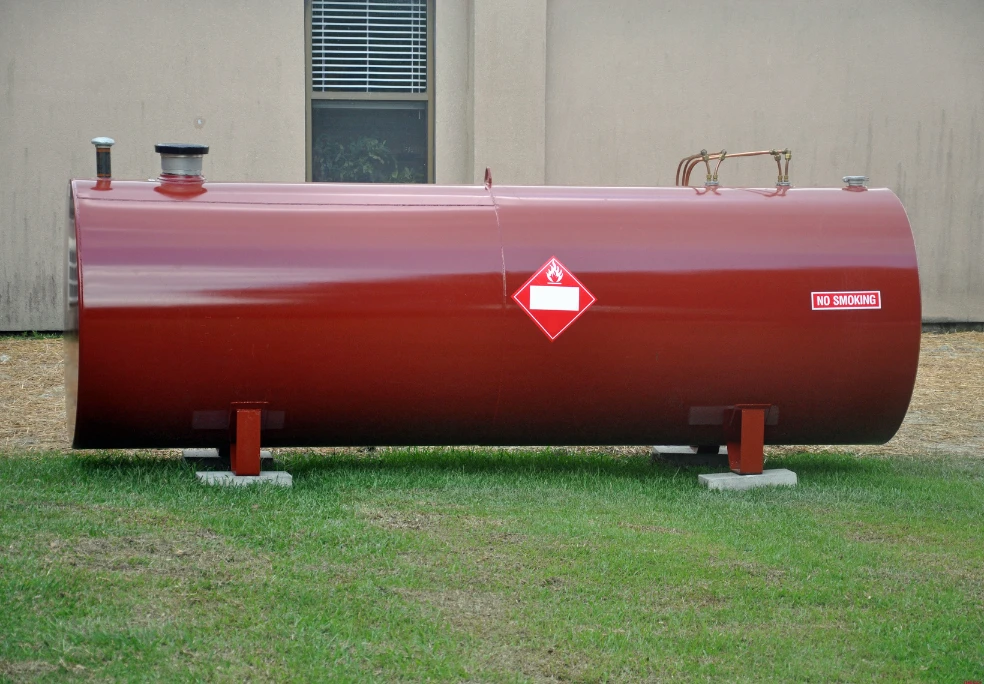
Jobsite Fuel Tank by Diesel Direct
The implementation of jobsite fuel tanks represents a strategic business investment which goes beyond basic convenience. The practice of storing fuel on-site enables businesses to achieve increased operational productivity while decreasing their costs through improved control and flexibility.