Most couples working with a specialist for male fertility in Chennai think about timing first. They track ovulation. They count days. They schedule intercourse around fertile windows with careful precision.
What fewer couples think about is what they ate for dinner the night before. Or the week before. Or the six months before they started trying.
What you eat consistently does not just affect weight or energy. It affects the quality of the cells you are trying to reproduce with. When eggs and sperm develop in a nutritional environment dominated by fast food and processed sugar, the reproductive consequences are measurable and real.
1. Fast Food Triggers Chronic Inflammation That Disrupts Ovulation
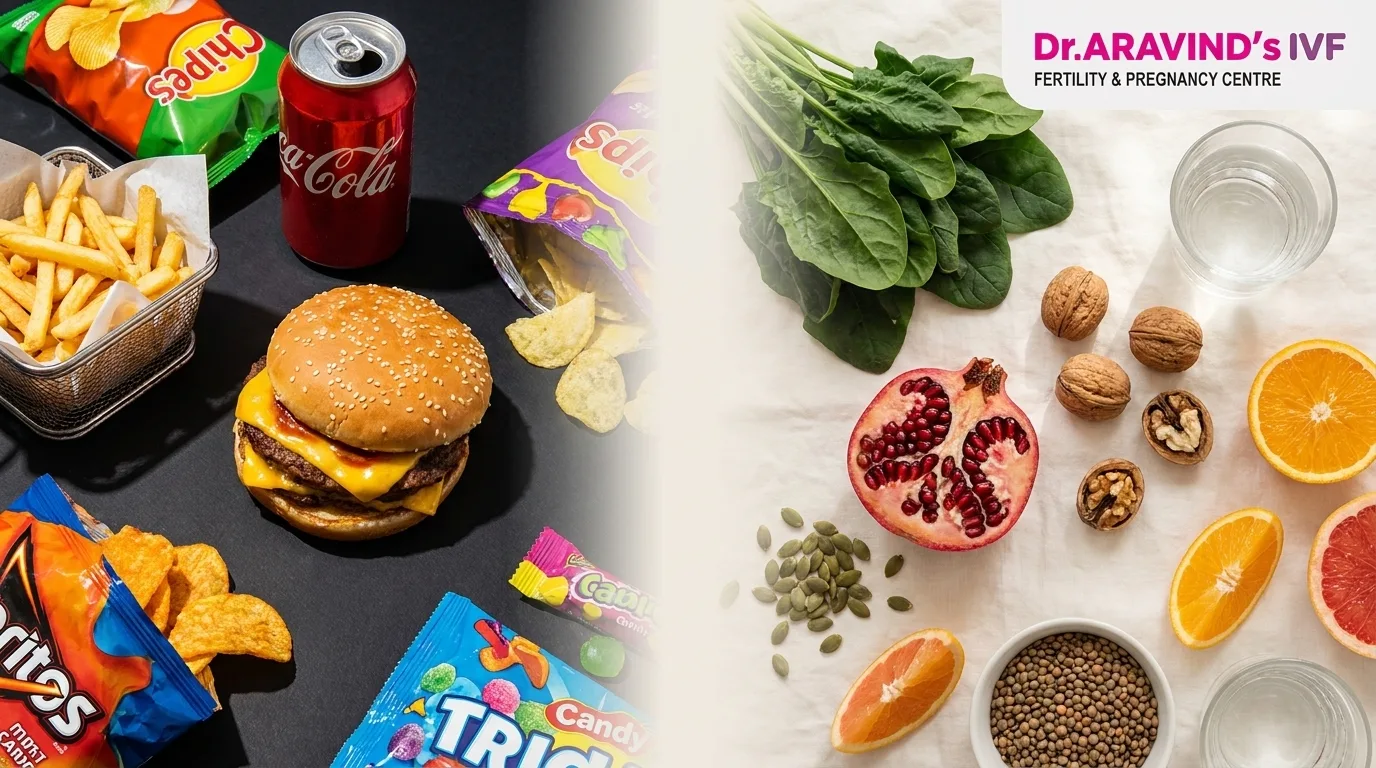
Fast food is not just empty calories. It delivers trans fats, refined carbohydrates, artificial additives, and high sodium in every meal. These compounds trigger a sustained inflammatory response in the body.
That inflammation circulates. The reproductive system depends on a precise, low-inflammation hormonal environment to function correctly. When inflammation is chronic, ovulation signals get disrupted.
Research consistently links ultra-processed diets to irregular ovulation. They also worsen PCOS symptoms and reduce endometrial receptivity, the ability of the uterine lining to receive and support an embryo after fertilisation.
2. Trans Fats Directly Reduce Sperm Count and Damage DNA
Trans fats found in fried fast food, processed snacks, and commercial baked goods cause measurable harm to male fertility. They reduce sperm count. They increase the proportion of abnormally shaped sperm. They elevate oxidative stress inside the testes.
Oxidative stress is the primary driver of sperm DNA fragmentation. This is genetic damage inside sperm cells that a standard semen analysis does not detect. A man can have a normal semen report and still have significantly elevated DNA fragmentation from a diet consistently high in trans fats.
3. Processed Sugar Worsens PCOS and Disrupts Female Hormones
Refined sugar and high-fructose corn syrup appear in soft drinks, packaged snacks, sweetened dairy, and most commercial sauces and condiments. They drive insulin resistance directly.
Insulin resistance sits at the hormonal core of PCOS, the most common cause of ovulatory infertility in India. A diet high in processed sugar does not cause PCOS on its own. But it worsens the condition measurably in women who already have it. It also makes hormonal treatment less effective over time.
Women trying to conceive with PCOS who continue eating high-sugar diets are working against every clinical intervention their fertility specialist recommends.
4. Sugar Suppresses Testosterone and Impairs Sperm Production
In men, high sugar consumption suppresses testosterone through a direct hormonal mechanism. Elevated insulin reduces the hormonal signals that trigger testosterone production in the testes. Lower testosterone means impaired sperm development.
Impaired sperm development reduces count, lowers motility, and increases abnormal morphology the three parameters a semen analysis measures. Beyond testosterone, high sugar diets elevate systemic inflammation and oxidative stress in the testes. This creates the cellular environment where sperm DNA fragmentation accumulates most rapidly.
5. The 90-Day Window Makes Dietary Change Genuinely Powerful
Sperm replace themselves entirely over a 72 to 90 day cycle. What a man eats today shapes the sperm available three months from now. Dietary improvement produces measurable changes in semen parameters within that window.
For women, eggs take approximately 90 days to mature before ovulation. The nutritional environment during that maturation period directly affects chromosomal integrity and mitochondrial function, two factors that determine whether a mature egg produces a viable embryo.
Replacing processed food and refined sugar with whole grains, legumes, leafy vegetables, seasonal fruit, healthy fats, and quality protein is not a marginal lifestyle suggestion. For couples actively trying to conceive, it is a clinical intervention with a documented biological effect on both egg and sperm quality.
What This Means for Couples Seeking Support
Understanding how diet affects egg and sperm quality is one thing. Applying that understanding to your specific diagnosis, your hormonal profile, and your stage of treatment requires specialist guidance.
At Dr. Aravind's IVF Fertility and Pregnancy Centre, nutritional counselling is built into the fertility treatment plan from the first consultation. Male fertility is evaluated comprehensively — including semen analysis, sperm DNA fragmentation testing, and hormonal profiling alongside dietary and lifestyle assessment.
Couples looking to understand their full fertility picture can explore the complete guide to male fertility in Chennai before their first consultation.
Treatment recommendations account for both the clinical findings and the lifestyle factors contributing to them. Because for many couples, the most impactful changes before IVF or IUI treatment begins are not medical. They are dietary. Making them with guidance rather than guesswork produces measurably better clinical outcomes.