Think about the last time you stood in a long, confusing line. You probably felt frustrated, impatient, and maybe even considered leaving before completing your purchase. That emotional response — impatience — is one of the biggest hidden profit killers in modern businesses. Long or disorganized queues silently drive customers away, reduce impulse buying, and damage brand perception. On the other hand, a smooth, well-structured waiting experience can turn irritation into satisfaction — and satisfaction into loyalty. This is exactly where a Queue Manager comes into play.
A Queue Manager is more than just a physical setup of barriers or ropes. It’s a well-thought-out system designed to guide customers efficiently, maintain order, and improve service flow. Whether it’s a retail store, airport, hospital, or entertainment venue, a well-planned queuing system ensures customers feel informed, respected, and valued. And when people feel valued, they spend more — both in terms of time and money.
Research shows that a well-managed queue can increase customer retention by up to 30%. Why? Because a structured waiting experience reduces perceived waiting time, lowers anxiety, and creates a sense of fairness. Customers are willing to wait longer if the process feels organized and transparent. This psychological comfort directly affects purchasing decisions and brand loyalty. In other words, the way you manage your queues directly determines how customers perceive your business — and whether they’ll return.
Beyond perception, a Queue Manager also improves operational efficiency. When staff don’t need to constantly manage crowds, they can focus on delivering better service. Customers move smoothly from entry to checkout, reducing bottlenecks and increasing the number of transactions per hour. This not only boosts revenue but also enhances the overall brand image as customers associate smooth operations with professionalism.
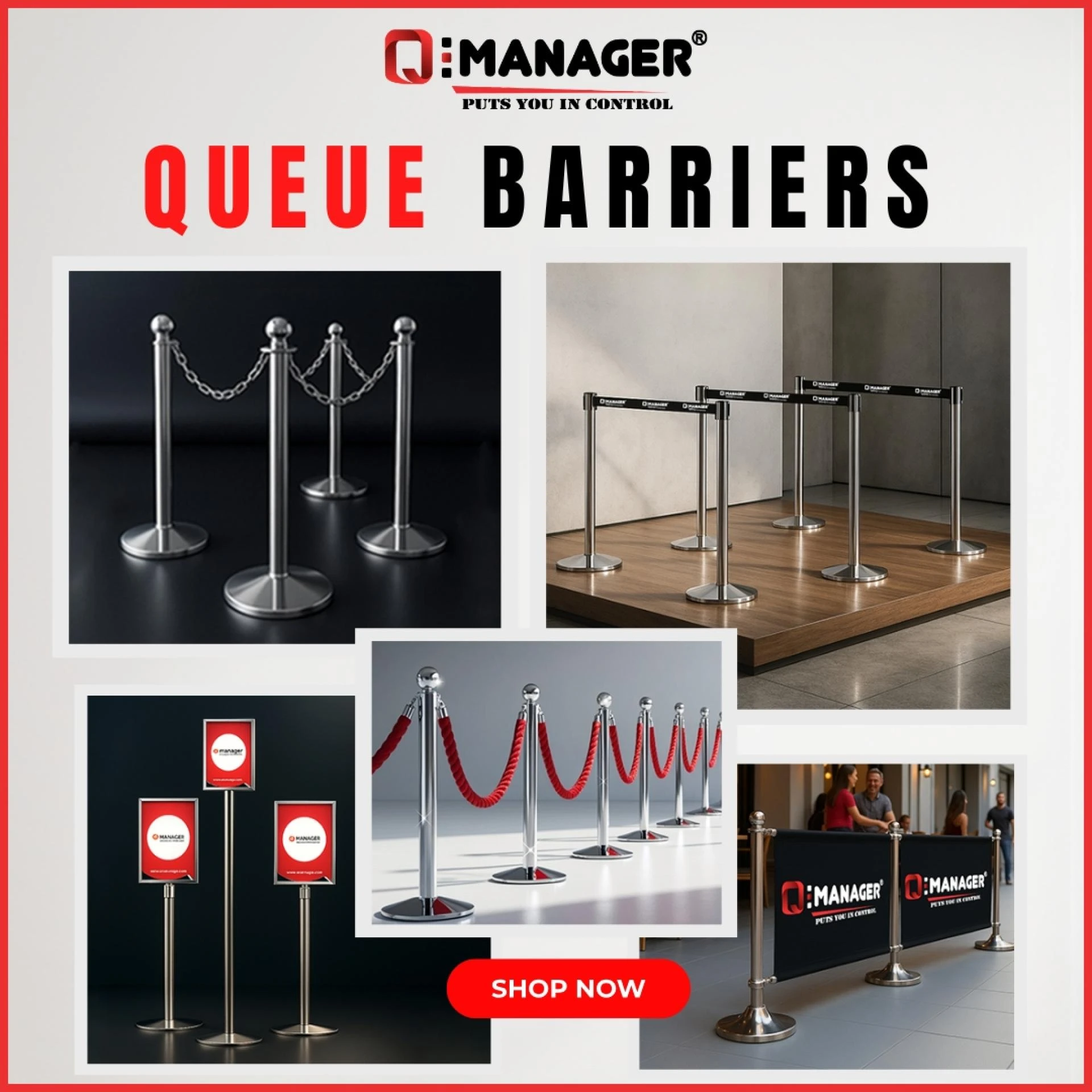
Moreover, today’s Queue Manager systems are designed with flexibility and intelligence. From retractable barriers and rope stanchions to smart digital displays, modern queue management solutions integrate both form and function. They don’t just control crowds — they guide, inform, and even engage them. Many businesses now use their queuing areas as micro-marketing spaces, showcasing promotions or brand messages while customers wait. This turns a traditionally unproductive waiting period into an active engagement opportunity.
Ultimately, queue management is not just about handling traffic — it’s about shaping customer experience. Every minute spent in line is part of your brand story. A chaotic queue communicates neglect, while an organized one reflects respect and reliability. That distinction can make or break a customer’s decision to buy again.
In this article, we’ll explore the five proven ways a Queue Manager increases sales and customer loyalty — from optimizing flow and improving staff productivity to enhancing trust and creating marketing opportunities. If your goal is to turn waiting time into business growth, mastering the art of queue management is your next strategic move.