
Alcohol addiction affects millions of individuals and families, but not everyone needs to step away from their daily life to begin healing. For many people, outpatient alcohol rehabilitation offers an effective, flexible, and evidence-based path toward lasting sobriety.
At WisHope Recovery, outpatient care is designed to meet people where they are—supporting recovery while allowing individuals to continue working, caring for family, and staying connected to their community. This approach has become increasingly popular as more people seek treatment options that fit real life without compromising quality of care.
In this article, we’ll explore five proven benefits of outpatient alcohol rehabilitation, explain how it supports long-term recovery, and help you understand whether this treatment option may be right for you.
What Is Outpatient Alcohol Rehabilitation?
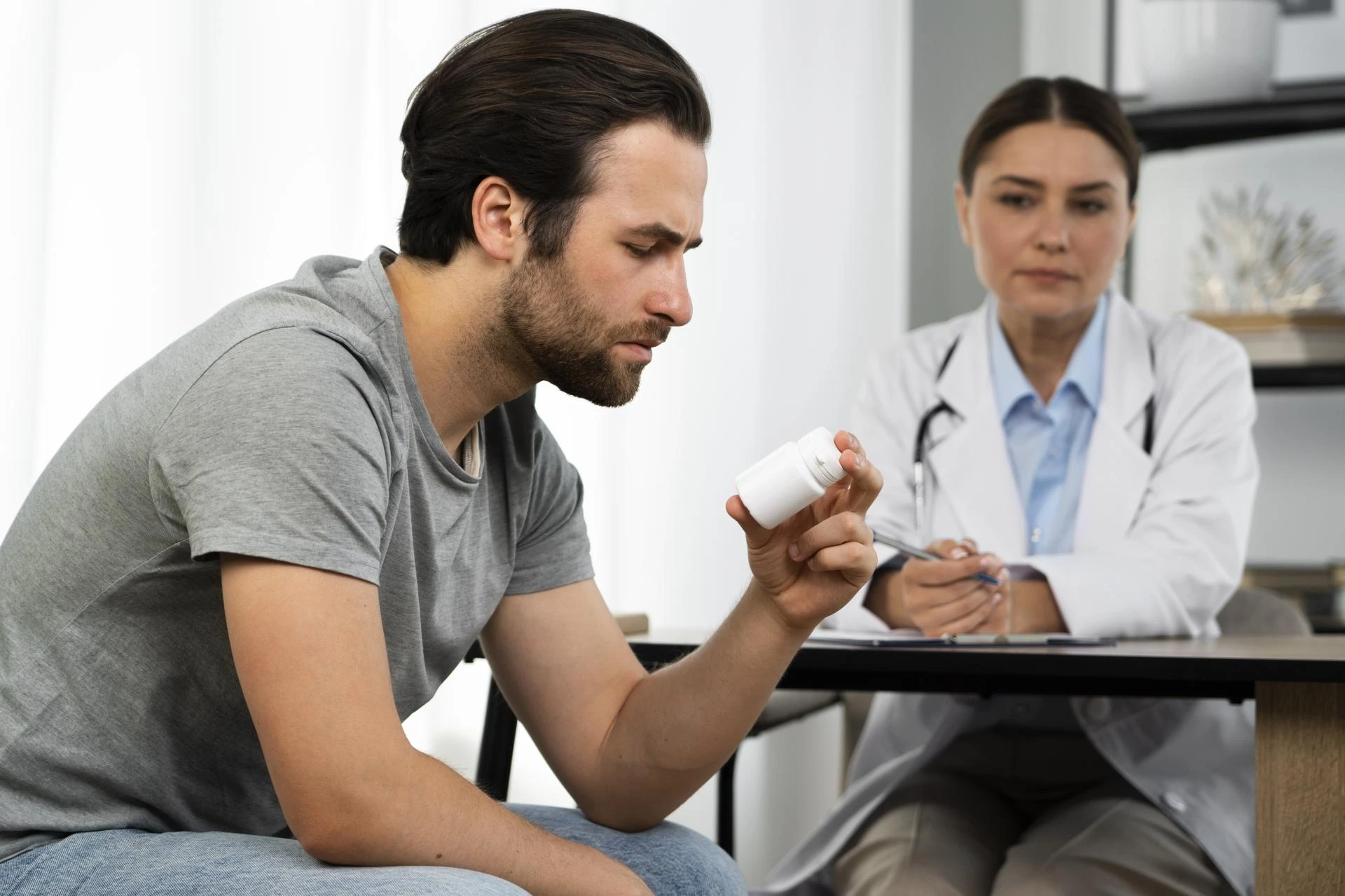
Outpatient alcohol rehabilitation is a structured treatment program that allows individuals to receive professional addiction care without living at a treatment facility. Instead, clients attend scheduled therapy sessions, group counseling, and recovery activities while continuing to live at home.
Outpatient programs often include:
- Individual therapy
- Group counseling
- Relapse prevention planning
- Mental health support
- Family involvement
- Ongoing recovery monitoring
These programs fall under broader outpatient treatment programs and may also address co-occurring substance use or mental health concerns as part of outpatient substance abuse treatment.
1. Flexibility That Supports Real Life
One of the most significant benefits of outpatient alcohol rehabilitation is flexibility. Unlike residential programs, outpatient care allows individuals to maintain daily responsibilities while receiving treatment.
This flexibility is especially valuable for:
- Working professionals
- Parents or caregivers
- Students
- Individuals with strong home support systems
Clients can schedule therapy sessions around work or family obligations, reducing barriers to treatment. At WisHope Recovery, outpatient schedules are designed to adapt to real-world demands—making recovery more accessible and sustainable.
By staying engaged in everyday life, individuals also practice applying recovery skills in real time, which strengthens long-term success.
2. Strong Focus on Long-Term Recovery Skills
Recovery doesn’t end after detox or early sobriety—it’s an ongoing process. Outpatient alcohol rehabilitation emphasizes skill-building that supports long term recovery programs, helping individuals maintain sobriety beyond initial treatment.

Key areas of focus include:
- Identifying triggers and high-risk situations
- Developing healthy coping strategies
- Managing stress and emotions
- Building relapse prevention plans
- Strengthening communication and decision-making skills
Because outpatient treatment occurs over an extended period, clients have time to practice these skills, receive feedback, and adjust strategies as challenges arise. This long-term approach helps create lasting behavioral change rather than short-term sobriety.
3. Integrated Care for Substance Use and Mental Health
Alcohol addiction often coexists with anxiety, depression, trauma, or stress-related conditions. High-quality outpatient substance abuse treatment addresses both substance use and underlying mental health concerns at the same time.
At WisHope Recovery, outpatient programs focus on:
- Treating the root causes of alcohol misuse
- Addressing emotional and psychological triggers
- Supporting overall mental wellness
This integrated approach reduces the risk of relapse and improves overall quality of life. When mental health is stabilized alongside sobriety, individuals are better equipped to sustain recovery long term.

4. Cost-Effective Without Sacrificing Quality
Another proven benefit of outpatient alcohol rehabilitation is affordability. Outpatient care typically costs less than inpatient or residential programs because it does not include housing or 24/7 supervision.
Despite lower costs, reputable outpatient treatment programs still offer:
- Licensed clinical professionals
- Evidence-based therapies
- Structured treatment plans
- Ongoing recovery support
This makes outpatient care an accessible option for individuals who may not have extensive insurance coverage or who are concerned about financial strain. Cost-effective treatment allows people to stay engaged in care longer, which is a key factor in successful long-term recovery.
5. Continued Support and Accountability
Long-term sobriety thrives on consistency, connection, and accountability. Outpatient alcohol rehabilitation provides ongoing professional support while encouraging individuals to build healthy routines and relationships outside of treatment.
Benefits of continued support include:
- Regular check-ins with clinicians
- Peer support through group therapy
- Accountability for recovery goals
- Early intervention if challenges arise
Because clients remain active in their communities, outpatient programs also encourage the development of external support systems—family involvement, sober friendships, and recovery networks—all of which are critical for lasting recovery.
At WisHope Recovery, outpatient treatment is not just about stopping alcohol use; it’s about building a stable, fulfilling life in recovery.
Is Outpatient Alcohol Rehabilitation Right for You?
Outpatient treatment may be a strong fit if you:
- Have mild to moderate alcohol dependence
- Have completed detox or inpatient treatment
- Have a stable and supportive home environment
- Are motivated to commit to recovery
- Need flexibility to maintain work or family responsibilities
Every recovery journey is unique, and a professional assessment is the best way to determine the appropriate level of care.
How WisHope Recovery Supports Outpatient Recovery
WisHope Recovery offers personalized outpatient treatment programs that focus on long-term success, not quick fixes. Each client receives a tailored care plan designed to address their unique challenges, goals, and lifestyle.

With a compassionate, evidence-based approach, WisHope Recovery helps individuals:
- Build confidence in sobriety
- Strengthen emotional resilience
- Develop sustainable recovery habits
- Stay connected to ongoing support
Frequently Asked Questions (FAQs)
1. How long does outpatient alcohol rehabilitation last?
Program length varies based on individual needs, but most outpatient programs last from several weeks to several months. Long-term participation often leads to better recovery outcomes.
2. Is outpatient alcohol rehabilitation effective?
Yes. For individuals with appropriate support and motivation, outpatient alcohol rehabilitation is highly effective—especially when focused on long-term recovery skills and relapse prevention.
3. What’s the difference between outpatient and inpatient treatment?
Inpatient treatment requires living at a facility, while outpatient treatment allows clients to live at home and attend scheduled therapy sessions. Both can be effective depending on the severity of addiction and personal circumstances.
4. Can outpatient treatment address mental health issues?
Absolutely. Quality outpatient substance abuse treatment includes mental health support, therapy, and integrated care for co-occurring conditions.
5. What happens after outpatient treatment ends?
Many individuals transition into aftercare or long term recovery programs, which may include ongoing therapy, support groups, or alumni programs to maintain sobriety.
Final Thoughts
Outpatient alcohol rehabilitation offers a proven, flexible, and effective path toward lasting recovery. By combining professional support with real-world application, outpatient care empowers individuals to build sober, meaningful lives without putting life on hold.
If you or a loved one is considering treatment, WisHope Recovery provides compassionate outpatient programs designed to support recovery today—and well into the future.