
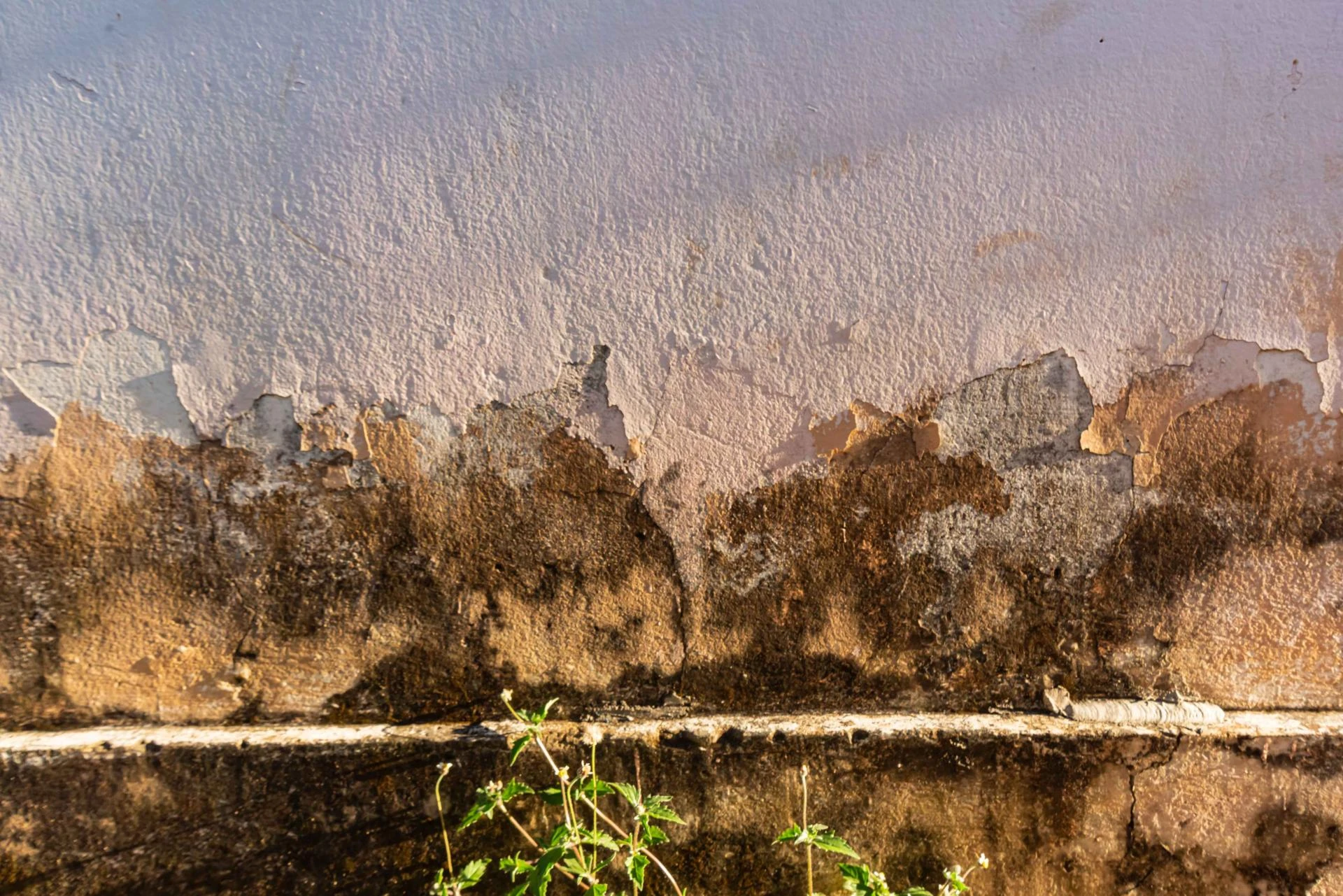
Winter often brings cozy nights, warm fireplaces, and a sense of comfort. But beneath that charm lies an invisible threat, moisture. As temperatures drop, condensation forms, snow melts unevenly, and hidden leaks surface in the most unexpected places. These subtle water intrusions can quietly damage your home’s structure, air quality, and even your health.
While most homeowners focus on heating and insulation, moisture control often slips through the cracks. Let’s uncover five hidden moisture problems that silently grow in winter and how you can prevent them before they turn into costly disasters.
1. Condensation on Windows and Walls
When the warm indoor air meets cold glass or poorly insulated walls, condensation forms. Over time, this trapped moisture can seep into wooden frames, peel paint, and even create the perfect environment for mold. It’s not just about foggy windows, it’s a sign of excess humidity trapped indoors.
Condensation tends to be worse in areas with poor ventilation, especially kitchens and bathrooms where warm air collects. Simple solutions like dehumidifiers, proper insulation, and regular air circulation can make a huge difference. To understand how humidity behaves indoors, check out the relative humidity concept, it’s an essential factor in managing winter moisture.
2. Leaky Roofs and Ice Dams
Your roof bears the brunt of winter weather. As snow accumulates and melts unevenly, ice dams can form at the roof’s edge, trapping water underneath the shingles. This leads to leaks that are difficult to spot until the damage spreads through ceilings or walls.
Ice dams occur when warm air from your attic melts the snow on the roof, and the melted water refreezes at the edges, blocking proper drainage. Preventing this requires proper attic insulation, roof ventilation, and regular snow removal.
The real danger lies in what you don’t see, slow water seepage that weakens insulation and wooden structures. Learn how to identify early signs of roof leaks before they evolve into structural concerns that require professional attention.
3. Crawl Spaces and Basements: The Damp Zones
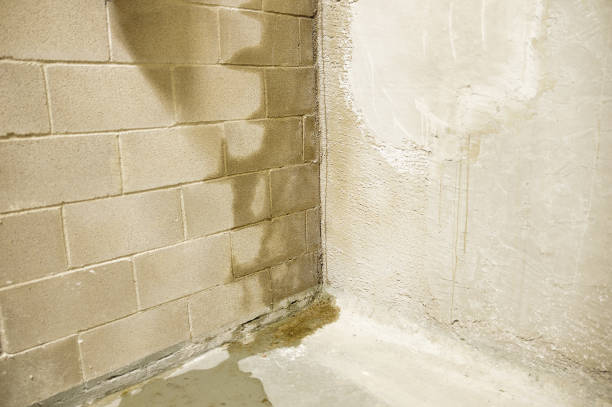
Crawl spaces and basements are natural traps for moisture. During winter, melting snow and rainwater can seep into these lower areas, creating a humid environment that encourages mold, mildew, and even pests.
Basement walls, if not properly waterproofed, absorb ground moisture through capillary action, leading to dampness and structural decay. Installing vapor barriers, sump pumps, and insulation specifically designed for moisture-prone zones can greatly reduce the risk.
This problem often hides behind walls or under flooring, making it one of the most difficult moisture issues to detect early. For homeowners living in older properties, periodic checks of the foundation are crucial to prevent long-term deterioration.
You can explore the mold growth process to understand how quickly humidity can turn into a health hazard if left unchecked.
4. Attic Moisture and Hidden Mold Growth
While most people associate attic issues with summer heat, winter presents an equally dangerous problem, trapped moisture. As warm air rises from the living space, it carries humidity that condenses on the cold attic surfaces. Over time, this promotes hidden mold growth and wood rot.
Attics often lack proper ventilation, especially in older homes. When insulation is poorly installed or blocked, it prevents air exchange, creating a moist microclimate that damages both wood and insulation material.
If you notice a musty smell, discolored insulation, or frost on rafters, it’s time to inspect the attic. A well-ventilated attic not only prevents moisture damage but also enhances overall energy efficiency during winter.
5. Plumbing Leaks Behind Walls
Cold temperatures cause water pipes to contract, making them more susceptible to cracking or minor leaks. These leaks often occur inside walls, under floors, or in crawl spaces, completely out of sight.
Even a small leak can release enough moisture to damage drywall and flooring. You might notice slight discoloration, peeling paint, or bubbling on walls, but by then, water has already done significant harm. Regular inspection of plumbing lines and ensuring pipes are well insulated during winter are essential preventive steps.
It’s also wise to monitor your water bill; sudden increases often signal a hidden leak. Addressing these leaks quickly can prevent them from escalating into major structural issues or expensive repair projects.
How to Prevent Winter Moisture Problems
Prevention starts with awareness. Moisture thrives in hidden places, but consistent inspection, maintenance, and timely repairs can save your property from serious damage. Here’s a quick checklist to help you stay ahead:
- Inspect your roof and gutters before winter begins.
- Ensure proper insulation in attics, basements, and crawl spaces.
- Use dehumidifiers to balance indoor humidity levels.
- Seal windows and doors to prevent condensation and air leaks.
- Schedule regular plumbing checks to detect hidden leaks.
Sometimes, the damage may already be deeper than it appears. In such cases, professional help becomes crucial. For instance, experts in water damage restoration can assess, repair, and restore affected areas efficiently, preventing secondary problems like mold growth and structural weakening.
Final Thoughts
Moisture may seem harmless, but its effects are far-reaching, especially in winter. From condensation and attic frost to hidden plumbing leaks, each small issue can evolve into a major concern if ignored. By maintaining good insulation, ventilation, and periodic inspections, homeowners can protect their property’s integrity and indoor air quality all season long.
Remember, winter care isn’t just about warmth; it’s about moisture management too. Keeping your home dry, safe, and structurally sound requires a proactive approach. And if the signs of water intrusion ever appear, professional water damage restoration services can ensure your home remains secure and comfortable through every winter season.