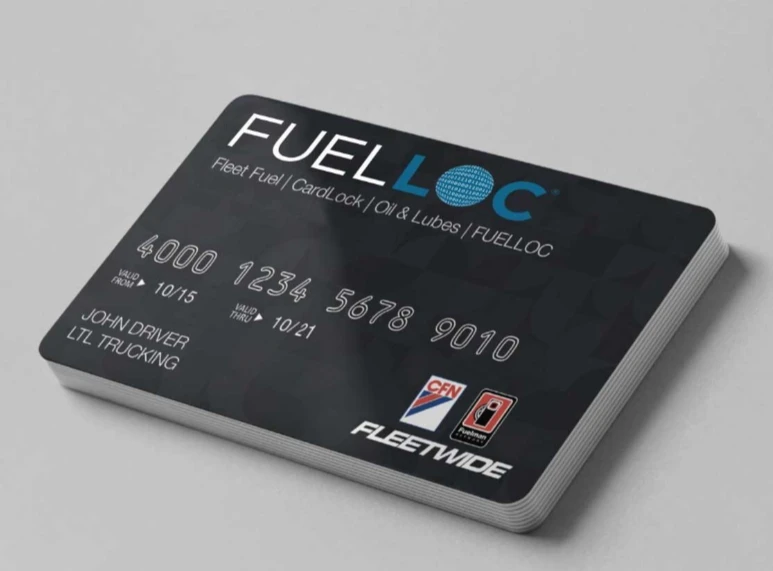
Fuel costs usually rise because of many small, often overlooked issues like extra stops, paying more at certain stations, relaxed rules for some drivers, or unclear fuel reports. A CFN fleetwide card helps you spot and control these problems, making your fueling process more transparent and accountable. This is much better than relying on random credit card swipes and paper receipts, which can make tracking costs unpredictable.
Are you looking for ways to lower the cost of fuel at your business without asking your employees to become experts in finding discounts on gasoline or to use a new discount-fuel-finding program? We recently discovered that a CFN Fleetwide program can lower your cost of fuel in five different ways.
1. Stops Unauthorized Spending at the Pump, Not After the Fact
With the right settings, you can control what types of transactions are allowed. You can make sure the card is only used for fuel, set limits on gallons per purchase, and use the card database to spot any suspicious activity.
If you already review receipts, you can take your accounting a step further. Cutting out unnecessary purchases based on company rules not only saves cash, but also reduces waste. With purchase limits, you’ll see these extra costs disappear and real savings add up.
2. Cuts, Detours, and “Convenience Fueling” That Burns Extra Dollars
You might think you’re saving money by driving to a distant gas station because an online price checker shows a lower price. But don’t forget the real costs like the extra time and miles. To know if you’re truly saving, you have to consider these opportunity costs. Most people don’t think about this in daily decisions, but it’s important. Do you factor in opportunity costs when you shop?
A CFN fleetwide card works best with a simple policy: drivers should fuel up at any on-route station that accepts the card. This cuts down on confusion about which stations are in-network, what to do if a station doesn’t accept the card, and unnecessary stops to ask for help or pay with cash.
· extra miles driven just to fuel
· idle time in traffic and station lines
· late arrivals and scheduling knock-on effects
Less detouring means less fuel burned and more productive hours.
3. Exposes Fuel Theft and “Small Leaks” That Add Up Fast
Fuel theft is rarely dramatic. It is almost always quiet. A few gallons of fuel from a pump, and sometimes a second fill when someone notices they can. A pattern of filling up at odd hours. And while it may seem like a small amount, it can actually add up to a significant sum.
Fleetwide fueling data makes these patterns easier to spot:
· Repeated fueling within short time windows
· Unusually high gallons for a vehicle’s tank size
· Fueling outside normal working hours
· Fueling in locations that don’t match the route
When drivers know their activity is visible and any issues are flagged, it directly affects their behavior. Often, the biggest savings come just from making everyone more accountable.
4. Improves MPG by Driving Better Maintenance Decisions
Fuel costs are not a function of where you buy the fuel, but of the actual fuel consumption of each piece of heavy equipment.
A consistent transaction history tied to vehicles can give you visibility into the health of the vehicle’s MPG over time. This can be a great leading indicator of problems like:
· Underinflated tires
· Alignment problems
· Clogged filters
· Dragging brakes
· Excessive idling
These are a few of the items that need to be replaced at the recommended interval. Failure to replace them when due will require replacement at more expensive intervals to maintain proper engine performance. Using a fuel card and fuel reporting system can save you money on fuel and maintenance. Many companies do not realize the value of using a fuel card and fuel reporting system for routine maintenance decisions.
5. Saves Admin Time and Cleans Up Reporting (Which Also Saves Money)
If you’re fed up with searching for receipts, endless spreadsheet scrolling, and bickering with stakeholders over who is supposed to fill in what form, you’re not alone. Admin costs are real costs.
A CFN-style fleet card program can help reduce the amount of time and effort required to produce meaningful reports. Rather than sorting through pages of extraneous, unhelpful information, fleet managers receive clean, relevant financial reports that enable them to focus on key business activities.
· Faster reconciliation and bookkeeping
· Easier spend tracking by driver, vehicle, route, or location
· Simpler audit trails and internal reviews
· Cleaner data for budgeting and forecasting
And if you run trucks in more than one state, a good fuel log can be a huge timesaver when it’s time to file your fuel taxes (ask your compliance person for more details).