Introduction: Powering Tanzania, One Ray at a Time
Ever wondered why some solar projects seem effortless while others run into endless roadblocks? The difference often comes down to one thing—planning. Whether you’re a homeowner tired of unreliable grid power or a business owner looking to cut energy costs, the path to clean, renewable power is within reach. But here’s the catch—getting solar installation in Tanzania right takes more than just picking panels and flipping a switch.
It’s about understanding your needs, choosing the right partners, and following the right steps. The good news? With a little expert insight and preparation, your solar journey can be smooth, efficient, and truly rewarding. Let’s walk through five proven steps that professionals swear by.
Step 1: Start with a Smart Energy Assessment
Every great project starts with data—and your solar setup is no exception. An energy assessment helps you understand how much power you actually use and what kind of system can meet your needs.
A professional energy audit will consider your daily power consumption, backup requirements, and the local sunlight patterns in your area. For instance, someone in Arusha might have slightly different needs than a household in Dar es Salaam due to weather variations.
Pro tip: Keep track of your electricity bills for at least six months before your assessment. This gives your installer a clearer picture of your energy trends.
Step 2: Choose Reliable Equipment and Certified Installers
Let’s be honest—solar systems are only as good as the equipment and people behind them. One of the biggest mistakes people make is cutting corners with cheap panels or hiring unqualified technicians.
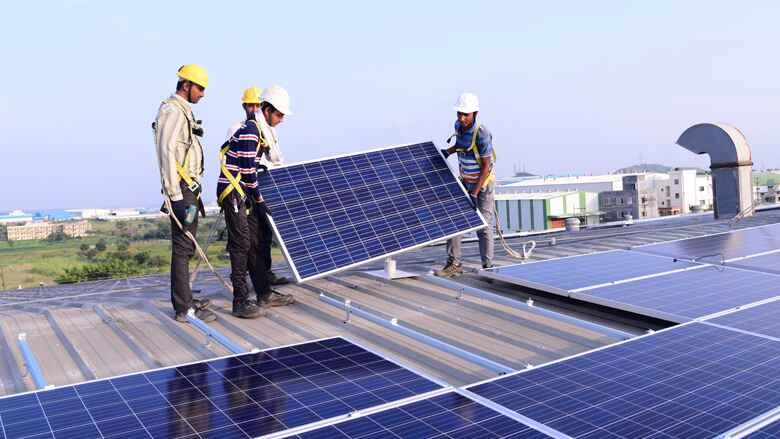
Reliable solar equipment—panels, inverters, and batteries—might cost a bit more upfront, but they pay off through longer lifespan and better performance. In addition, working with certified solar professionals ensures that your installation meets both safety and efficiency standards.
For example, experts often stress the importance of selecting equipment suited to Tanzania’s climate—especially systems built to handle heat and humidity.
Here’s the thing: The right partner doesn’t just install your system; they guide you through every step, from system design to maintenance planning.
Step 3: Plan for Proper System Sizing and Design
You’d be surprised how often solar systems fail because they’re either too small or too big for the user’s needs. Proper system sizing ensures that your solar setup provides just the right amount of power—no more, no less.
An expert installer will consider several factors, like:
- The total load (how many appliances you’ll run)
- The hours of sunlight your roof gets
- Whether you want an on-grid, off-grid, or hybrid setup
Design also plays a major role. For example, the tilt angle and orientation of your panels can affect energy generation by as much as 20%. That’s a big deal when you’re investing long-term.
If you’re going solar for business purposes—say, a small factory or shop—make sure your installer plans for future energy growth. Expanding your setup later is easier when your initial design allows for scalability.
Step 4: Understand Permits, Incentives, and Maintenance
Solar technology is booming in Tanzania, but it still involves paperwork and planning. You might need local permits or utility approvals before you can officially go live. Don’t let this part scare you—experienced installers usually handle most of the administrative work.
On the bright side (pun intended), there are government incentives and programs designed to make solar more accessible. These can include import duty exemptions, renewable energy subsidies, and financing options from local banks.
Once your system is up, consistent maintenance is key. A well-maintained system can last over 25 years, while neglected ones lose efficiency fast. Simple steps like cleaning your panels every few weeks and scheduling annual inspections can make a huge difference.
Step 5: Monitor, Adjust, and Optimize Performance
Here’s a secret most first-time solar owners don’t know—installation is just the beginning. The best systems are continuously monitored and optimized.
Modern solar setups come with apps or dashboards that let you track performance in real time. You can see how much energy your panels are generating, how much you’re consuming, and even detect issues before they become major problems.
If your production dips unexpectedly, it could be a sign of dust accumulation, shading, or inverter malfunction. By catching these early, you’ll maintain maximum efficiency and avoid costly repairs.
Think of your solar system like a car—it needs regular checkups to keep running smoothly.
Also Read this : The Future of Energy Solutions in Tanzania: Trends and Opportunities
FAQs About Solar Projects in Tanzania
1. How long does a typical solar installation take in Tanzania?
It depends on the system size. Most residential installations take 2–5 days, while commercial setups may take 1–2 weeks.
2. Can solar power fully replace grid electricity?
Absolutely—especially with hybrid systems that combine solar and battery storage. However, many people keep a partial grid connection for backup.
3. What kind of maintenance does a solar system need?
Mostly cleaning panels, checking battery health, and scheduling periodic technical inspections. Nothing too heavy!
4. Is solar energy cost-effective in Tanzania?
Yes. Although the initial cost can be high, most users see a return on investment within 3–6 years, depending on system size and usage.
Conclusion: Building a Brighter, Greener Future
Tanzania’s shift toward renewable energy isn’t just a trend—it’s a movement. And by following these five expert-backed steps, you can ensure your solar journey is smooth, efficient, and built to last. From smart assessments to ongoing maintenance, every decision counts in creating a reliable, eco-friendly energy source.
At Tamgo Tanzania Limited, the focus is on delivering trusted, efficient solar solutions tailored to local conditions. Whether you’re powering your home, your business, or your community, now’s the time to embrace the sun—and take your first confident step toward a cleaner future.