Japanese Wagyu tenderloin is prized for a reason. The muscle does very little work, which leaves it exceptionally soft, and the marbling adds a quiet richness that melts into the meat as it cooks. Handle it well, and the result is almost effortless luxury on a plate.
Introduction
Tenderloin is one of those cuts that does not need much persuasion. It is naturally delicate, fine-grained, and deeply satisfying when cooked with care. The challenge is restraint. With Japanese beef tenderloin, the goal is never to overpower the meat but to guide it gently toward its best form. Heavy sauces, aggressive seasoning, or careless heat can flatten its character quickly. A handful of thoughtful techniques will bring out the tenderness, the clean beef flavor, and the buttery texture that make this cut so admired.
Pan Searing for Depth and Texture
A hot pan does remarkable things to good beef. When tenderloin meets properly heated cast iron, the surface browns almost instantly, forming a thin crust that smells nutty and savory. That crust is important because it contrasts with the soft interior. The steak should be left alone once it hits the pan. Moving it too early prevents the browning that creates flavor. A spoonful of butter added near the end, along with garlic and maybe a sprig of thyme, finishes the steak with a subtle richness that complements rather than dominates the meat.
Grilling for Light Smoky Character
Grilling introduces a different personality. The open flame creates light charring and a hint of smoke that plays well with the natural sweetness of Wagyu fat. Thick cuts respond especially well to this method because they hold moisture while the outside develops color. When grilling Japanese beef tenderloin, the heat should be strong, and the cooking time is short. The meat does not need much encouragement. A few careful turns over a hot grill are usually enough.
Reverse Searing for Even Doneness
Some cooks prefer precision, and reverse searing delivers exactly that. The steak begins in a low oven, where it warms slowly and evenly from edge to center. Once the interior reaches the desired temperature, it finishes in a very hot pan for a quick crust. The result is a steak with almost no gray band around the edges and a perfectly rosy center. It is a calm, controlled way to cook a cut that deserves careful attention.
Quick Cooking with Tenderloin Cubes
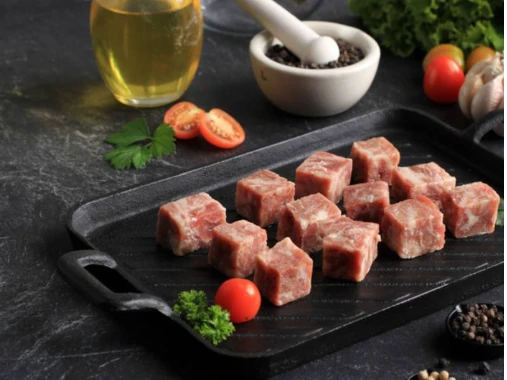
Tenderloin cubes offer another direction altogether. Small pieces of Wagyu cook quickly and take on color fast, which makes them ideal for skewers or quick pan dishes. The key is speed and confidence. High heat, minimal movement, and a short cooking time keep the cubes tender while still producing a flavorful sear. Butchers at La Carniceria Prime Meat Market often recommend this approach for people who want the flavor of Wagyu in a faster, more casual meal.
Respecting the Basics
Even the best cooking method will fall apart if the fundamentals are ignored. Tenderloin rewards simple habits that experienced cooks rarely skip:
● Season the meat lightly with coarse salt and pepper
● Allow the steak to sit at room temperature before cooking
● Cook over-confident heat rather than timid warmth
● Rest the meat briefly so the juices settle
● Slice cleanly to protect the delicate texture
Conclusion
Cooking tenderloin well is mostly about judgment. Heat, timing, and restraint all matter more than elaborate technique. Each method brings out a slightly different side of the cut, whether it is the crust from a hot pan or the subtle smoke of a grill. What remains constant is the remarkable tenderness that defines the experience. Visit La Carniceria Prime Meat Market to find premium Wagyu cuts that you can cook with trust at home. The beef there is worth cooking slowly and eating in large quantities.