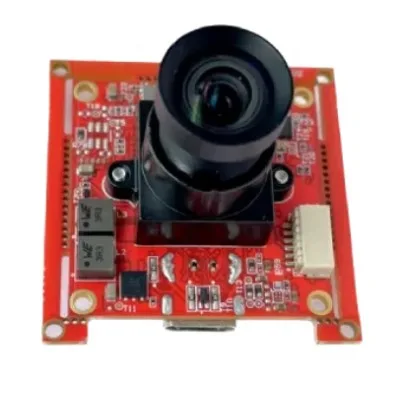
A 4K camera has become an important imaging solution for businesses, educators, content creators, developers, and professionals who need sharp and detailed video. With four times the resolution of Full HD, 4K technology delivers clearer visuals, better image definition, and greater flexibility for video conferencing, recording, live streaming, and industrial applications. When selecting a camera, it is important to consider resolution, connectivity, compatibility, frame rate, lens quality, and application requirements.
Understanding USB Cameras
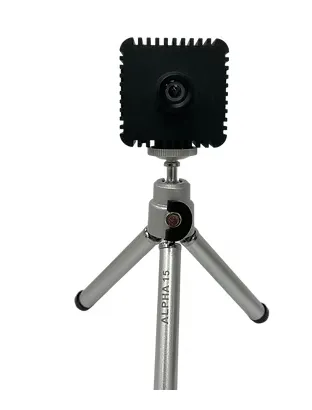
A USB camera is a convenient imaging device that connects directly to a computer, laptop, embedded system, or other compatible device through a USB interface. These cameras are widely used because they offer straightforward installation and reliable data transmission without requiring complex hardware configurations.
USB cameras can support applications such as online meetings, remote learning, video streaming, machine vision, security monitoring, and professional content production. Depending on the model, users can choose different resolutions, frame rates, sensor technologies, lens options, and operating features.
For users who need high-quality video without complicated connectivity, USB cameras provide a practical solution. They can also be integrated into custom systems where compact size and plug-and-play functionality are important.
Benefits of a 4K USB Camera
A 4K USB camera combines high-resolution imaging with convenient USB connectivity. It can produce highly detailed images, making it suitable for situations where visual clarity is essential.
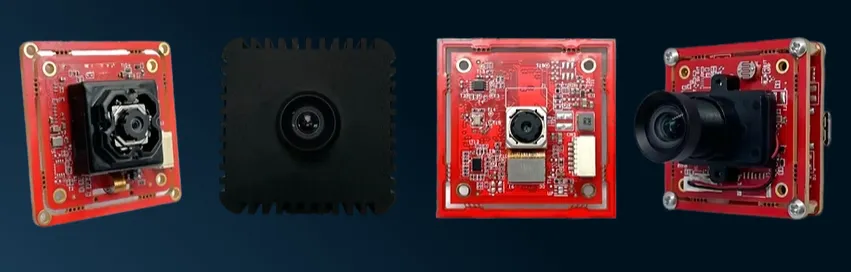
One of the major advantages is image detail. 4K resolution provides significantly more pixels than Full HD, allowing users to display fine details with greater clarity. This can be particularly useful for presentations, demonstrations, product videos, online training, and professional streaming.
Another benefit is easy integration. A USB connection allows the camera to work with compatible computers and systems without requiring specialized video capture equipment. This makes installation easier for both professional and everyday applications.
A 4K USB camera can also provide greater flexibility during post-production. High-resolution footage gives editors more room for cropping or reframing while maintaining useful image quality.
Applications of 4K Cameras
4K cameras are used across several industries and applications. In education, they can improve online classes and demonstrations by providing clearer video. Businesses can use them for professional video conferencing and virtual presentations.
Content creators can benefit from high-resolution recording for YouTube videos, live streams, tutorials, and product demonstrations. In industrial environments, cameras can support inspection and monitoring applications where image detail is important.
The right camera depends on the specific application. Factors such as lighting conditions, required frame rate, field of view, operating system compatibility, and mounting requirements should be evaluated before purchasing.
Choosing a Reliable Camera
When selecting a 4K camera, buyers should look beyond resolution. The image sensor plays an important role in determining image quality, especially in challenging lighting environments. Lens quality, autofocus performance, exposure control, frame rate, and USB interface specifications should also be considered.
Compatibility is another important factor. A camera should work smoothly with the intended operating system, software, and hardware platform. For specialized applications, users may also need features such as manual controls, different lens configurations, compact designs, or customized camera solutions.
Vadzo Imaging provides imaging solutions designed for a variety of professional and industrial requirements. Its camera range can be considered by businesses and developers looking for reliable USB and high-resolution imaging technologies.
Conclusion
A 4K camera offers an effective way to achieve detailed and professional-quality video across multiple applications. When combined with USB connectivity, it provides a convenient solution that can be integrated into computers, embedded systems, and other compatible platforms. Before choosing a model, consider resolution, sensor performance, lens specifications, connectivity, compatibility, and intended usage. Selecting the right combination of features can help ensure consistent imaging performance and long-term value.
FAQs
1. What is a 4K camera?
A 4K camera is an imaging device capable of recording or transmitting video at approximately 3840 × 2160 pixels, providing significantly greater detail than Full HD.
2. What is a USB camera used for?
A USB camera can be used for video conferencing, streaming, online education, recording, industrial monitoring, machine vision, and various computer-based imaging applications.
3. What is a 4K USB camera?
A 4K USB camera combines 4K video resolution with USB connectivity, allowing high-resolution video to be transmitted directly to compatible computers or systems.
4. How should I choose a 4K camera?
Consider the camera's sensor, lens, frame rate, USB interface, software compatibility, lighting performance, field of view, and intended application before making a selection.
5. Does Vadzo Imaging offer USB camera solutions?
Yes, Vadzo Imaging offers camera and imaging solutions for professional, industrial, and technology-focused applications, including USB-based camera options.