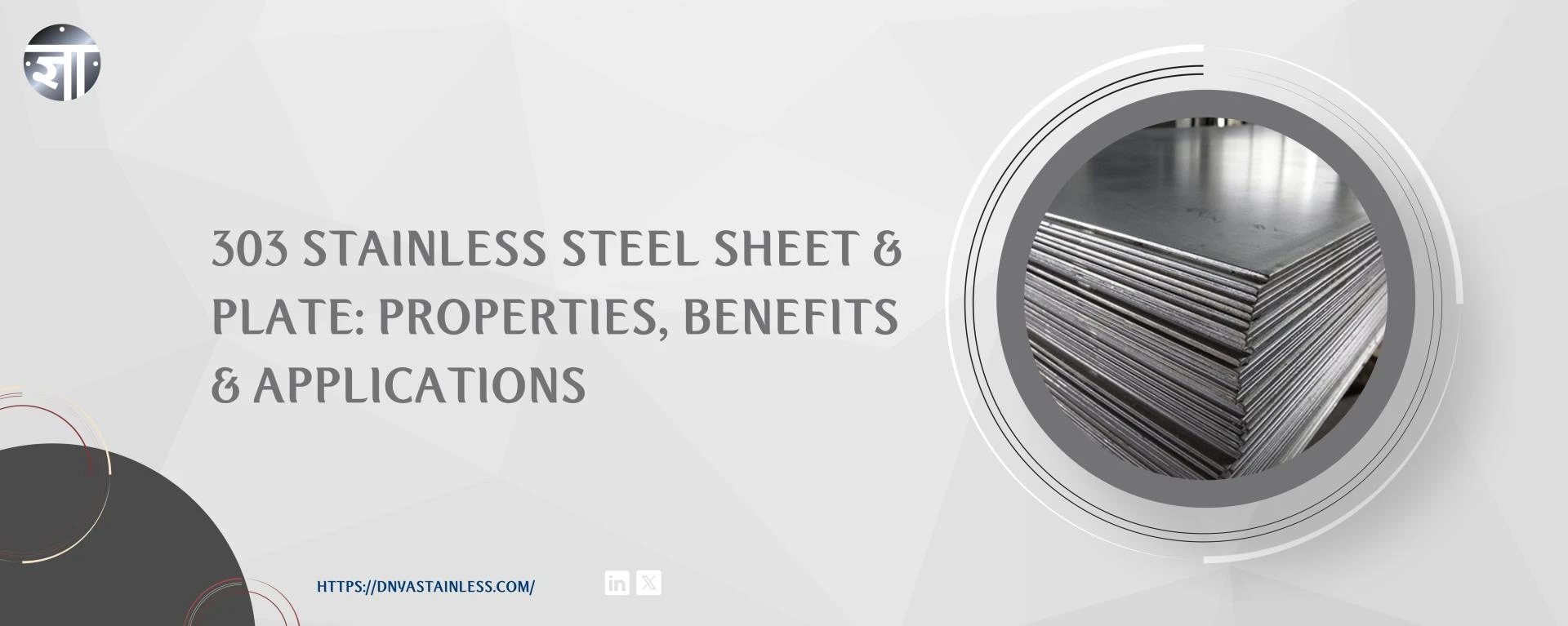
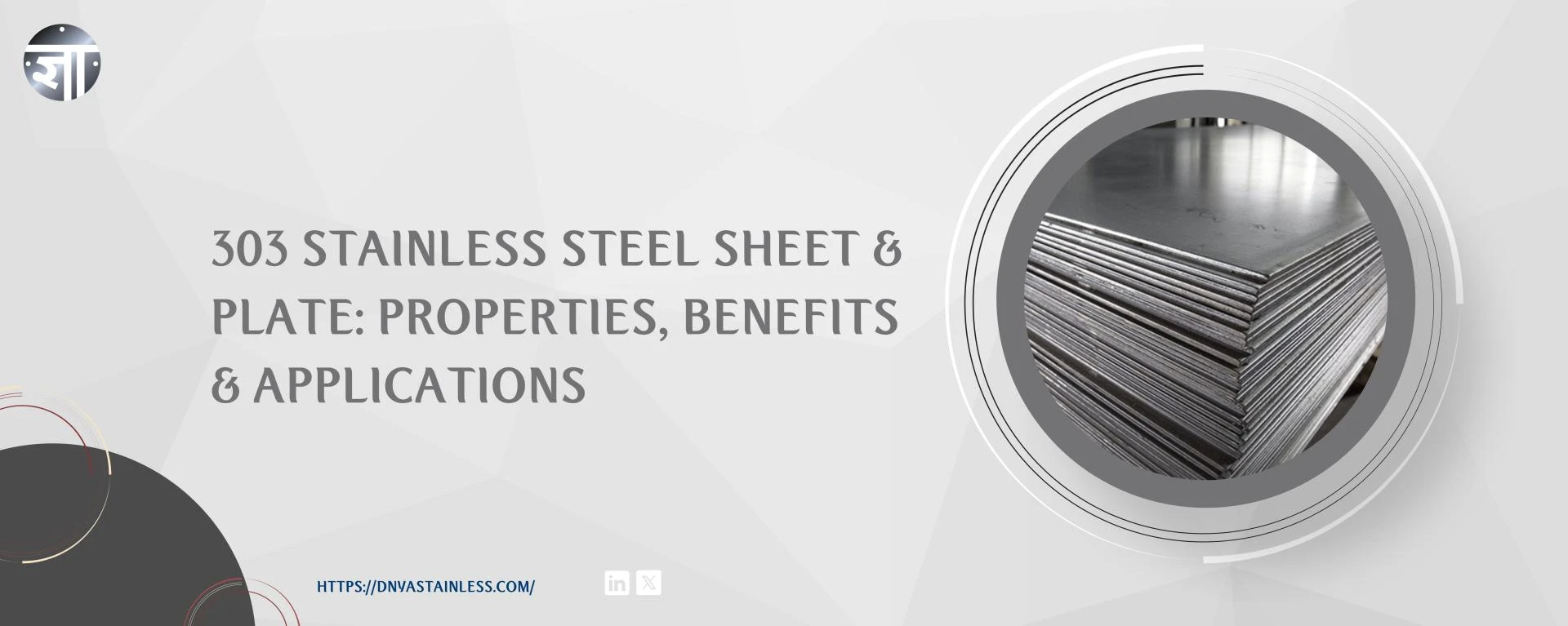
303 stainless steel, also known as AISI 303, is one of the most well-known and widely used free-machining stainless steels in the austenitic family. Designated as UNS S30300 and classified under ASTM A582, it is engineered specifically for improved machinability. This is achieved by adding sulfur to the composition, which facilitates faster cutting and longer tool life, making 303 stainless a preferred material in mass production involving extensive machining.
Despite the trade-off in corrosion resistance due to sulfur, 303 steel maintains the core benefits of stainless steel—strength, durability, and decent resistance to oxidation in controlled environments.
What is 303 Stainless Steel?
SS303 one of the easiest stainless steels to machine, without compromising too much on mechanical integrity.
The alloy is commonly specified in ASTM A582, which covers free-machining stainless steel bars, making it ideal for turned components, CNC machining, and high-speed production lines.
Key Features of 303 Stainless Steel
✅ Superior Machinability
The primary advantage of 303 stainless lies in its ability to be machined efficiently. The added sulfur improves chip formation and reduces tool wear, making it suitable for applications where productivity and precision are key. It is often used in automatic lathes and high-volume CNC machining operations.
✅ Good Mechanical Strength
With a typical tensile strength of around 620 MPa (90 ksi), 303 steel offers strong performance in mechanical and structural components.
✅ Moderate Corrosion Resistance
While 303 stainless steel does provide resistance to oxidation and mild corrosion, it is not recommended for marine, chloride-rich, or acidic environments. The sulfur content, which helps machinability, slightly reduces its resistance to pitting and crevice corrosion.
Applications of 303 Stainless Steel
Due to its excellent machinability and decent corrosion resistance, 303 stainless steel is commonly used in a wide range of applications, including:
- Screws, Bolts & Nuts – Especially where automated turning is involved.
- Shafts, Bushings & Gears – Precision-machined components.
- Valves & Fittings – Especially for dry gas or low-moisture environments.
- Aircraft and Aerospace Components – Non-critical structural parts.
- Medical & Dental Tools – When combined with exact tolerances and tight specs.
- Food Processing Equipment – In dry or non-corrosive environments.
- Electrical Connectors & Terminals – Where precision machining is crucial.
These applications highlight the material’s compatibility with high-precision, high-speed manufacturing operations.
303 vs Other Stainless Steels
🔹 303 vs 304 Stainless Steel
304 is much harder to machine, which makes 303 the preferred option when machining speed and finish are top priorities.
Property
303 Stainless Steel
304 Stainless Steel
Machinability
Excellent
Moderate
Corrosion Resistance
Moderate
High
Weldability
Poor
Excellent
Magnetic Properties
Non-magnetic
Non-magnetic
🔹 303 vs 303Se Stainless Steel
303Se stainless steel is a variation that replaces sulfur with selenium. This provides even better surface finishes and lubricity during machining, though selenium grades are less common. 303Se stainless steel is often used in electronic and optical components.
🔹 303 vs 303L Stainless Steel
While less common, 303L stainless steel is a low-carbon variant designed for improved weldability. However, 303 in general is not recommended for welding due to sulfur content, which causes hot cracking. For welded components, 304L or 316L is more appropriate.
Standards and Designations
- UNS Designation: S30300
- European Grade: 1.4305
- Standard: ASTM A582
- Other Names: AISI 303, 303S stainless steel, SS303
This material is typically supplied in bar, rod, sheet, and plate form to serve diverse manufacturing needs.
303 Stainless Steel ASTM A582
The most common specification for 303 stainless steel is ASTM A582, which covers free-machining stainless steel bars intended primarily for machining on automatic screw machines. This standard ensures that the material meets specific criteria for chemical composition, mechanical properties, and tolerances suited to machining processes.
303 Stainless Steel Price
The 303 stainless steel price varies based on form, grade, quantity, and market fluctuations. In India, prices typically range from ₹250 to ₹300 per kg, while in international markets, it may range between $2.50 to $4.00 per pound.
Factors influencing the cost include:
- Availability of raw material
- Global nickel and chromium prices
- Supply chain and logistics
- Size and tolerance requirements
For high-volume machining operations, the initial higher cost of 303 stainless steel is often offset by faster production cycles and reduced tooling expenses.
Final Thoughts
If your application demands high-speed machining, precise tolerances, and moderate strength, 303 stainless steel sheet and plate offer a robust solution. Known for its excellent machinability, AISI 303 (UNS S30300) performs reliably in mechanical and industrial environments where corrosion is not extreme.
Though not suitable for welding or highly corrosive conditions, its machinability makes it an indispensable material in various industries—from aerospace and automotive to medical and food equipment manufacturing.
For inquiries, custom cuts, or bulk orders of 303 stainless, consult a reputable supplier who can offer mill test certificates and compliance with ASTM A582 and international standards.