A home’s insulation is vital for maintaining comfort, controlling energy costs, and preventing structural damage. In Waupaca, WI, older or failing insulation can lead to noticeable problems that require immediate attention. Replacing outdated insulation with modern solutions ensures homes remain energy-efficient, safe, and comfortable year-round.
Homeowners should watch for clear warning signs indicating that insulation is no longer performing effectively. Professional spray foam insulation experts can assess the property and provide targeted solutions to restore efficiency and protect the home. This article outlines three key indicators, practical considerations, and replacement guidance for homeowners.
Uneven Temperatures and Drafts
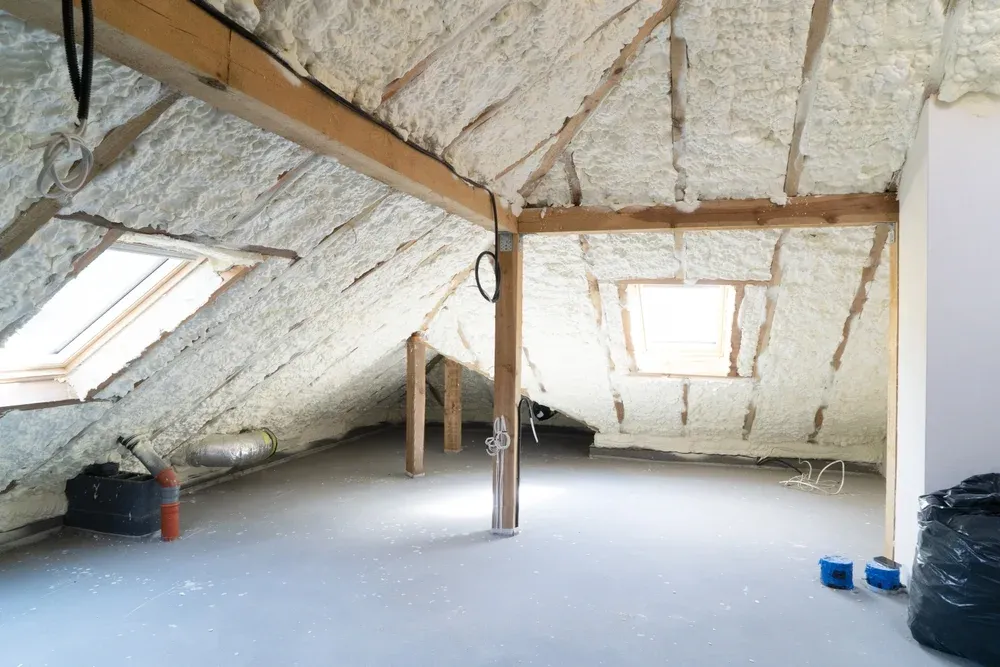
Temperature inconsistencies and drafts are among the most visible signs of failing insulation. If rooms feel hotter or colder than the rest of the house, it indicates that existing insulation is not performing as it should.
Common Causes of Uneven Temperatures
- Settled or compressed insulation reducing its R-value
- Air leaks around windows, doors, or attic spaces
- Moisture damage causing insulation to lose effectiveness
Tiny Guidance for Homeowners
Checking attic spaces and crawl areas for gaps, thinning insulation, or moisture stains can help identify problems early. A professional insulation contractor can also tests thermal efficiency to confirm deficiencies.
Bonus Tips
- Inspect insulation during seasonal transitions to spot temperature discrepancies.
- Use thermal imaging if available to detect hidden gaps or leaks.
High Energy Bills and Increased Utility Usage
A spike in heating and cooling costs often signals that insulation is failing. Homes with outdated insulation require more energy to maintain comfortable temperatures, especially during Waupaca’s cold winters and humid summers.
Why Energy Consumption Increases
- Heat escapes in winter and cool air leaks in summer
- HVAC systems work harder due to poor air sealing
- Old insulation may be insufficient for modern energy standards
Comparison Table of Energy Impact
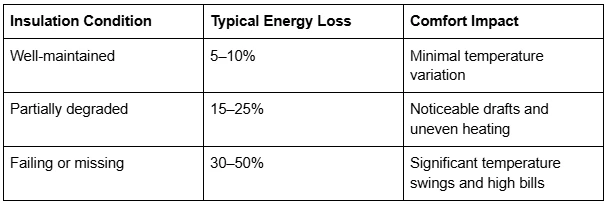
Upgrading with modern insulation services improves energy efficiency and reduces utility costs while maintaining consistent indoor temperatures.
Visible Signs of Damage or Moisture
Insulation that is wet, moldy, or compressed is no longer effective. Moisture intrusion can result from roof leaks, plumbing issues, or high humidity, compromising both comfort and structural integrity.
Identifying Damaged Insulation
- Stains, discoloration, or sagging in attic insulation
- Damp spots in walls or crawl spaces
- Mold or mildew growth around insulation areas
Tiny Guidance for Homeowners
Inspecting basements, crawl spaces, and attic areas regularly helps detect moisture damage early. Professional insulation experts can recommend suitable replacement materials, such as spray foam, cellulose, or fiberglass, to restore efficiency.
Bonus Tips
- Pair replacement with air sealing to prevent future moisture issues.
- Consider insulation with higher moisture resistance for areas prone to dampness.
Things to Consider Before Making a Decision
Replacing insulation requires careful evaluation of property needs and service options. Key factors include:
- Type of insulation suitable for specific areas (attic, walls, crawl spaces)
- Climate considerations for Waupaca, WI, including temperature swings and humidity
- Longevity, R-value, and energy efficiency of replacement options
- Reputation and experience of insulation experts performing the installation
- Warranty and maintenance support offered

Pre-Decision Checklist
- Identify the specific areas with failing insulation
- Determine whether air sealing or moisture control measures are needed
- Compare material types, such as spray foam, blown-in cellulose, or fiberglass
- Ensure compliance with building codes and safety standards
Questions People Ask About Insulation Replacement
How do I know if my insulation is still effective
Check for uneven temperatures, increased energy bills, or visible damage. A professional assessment can confirm R-value degradation or moisture issues.
Can moisture-damaged insulation be repaired
Minor compression or localized damp spots may be treated, but extensive moisture damage requires full replacement to restore efficiency.
How long does insulation typically last
Fiberglass or cellulose lasts 15–25 years, while spray foam can last decades if installed correctly. Local climate conditions affect longevity.
Does insulation type affect energy savings
Yes. Closed-cell spray foam and dense-pack cellulose provide higher R-values and superior air sealing compared to older fiberglass batts.
Should I replace insulation myself
Professional insulation services ensure proper installation, correct material selection, and compliance with safety standards, which DIY approaches may not achieve.
Conclusion
Homes in Waupaca showing uneven temperatures, rising energy bills, or visible insulation damage need immediate attention. Replacing outdated insulation improves comfort, reduces energy costs, and protects structural components. Evaluating property-specific needs and consulting insulation experts ensures a precise and effective upgrade.
Next Steps for Homeowners
Property owners seeking professional insulation assessment and replacement can consult Proseal Spray Foam. Their team provides expert guidance on energy-efficient solutions tailored to Waupaca, WI homes. Contact them at [email protected] or call (715) 227-6295 to schedule an inspection and explore replacement options.