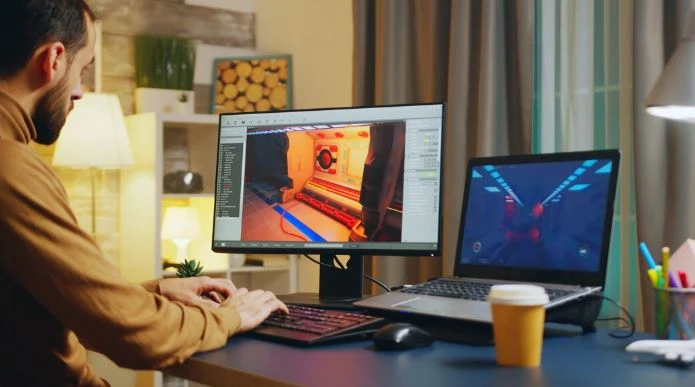
Animation has become one of the most powerful tools in modern marketing. From explainer videos and advertisements to social media content and product demonstrations, animation helps brands communicate ideas in a visually engaging and memorable way. However, one of the most common questions businesses face is whether to choose 2D or 3D animation.
Both styles have unique strengths, and the right choice depends on your brand’s goals, audience, and budget. Understanding the differences between 2D and 3D animation can help you make a smarter decision that aligns with your marketing strategy.
Understanding 2D Animation
2D animation refers to two dimensional visuals created in a flat space. It focuses on height and width, using characters, icons, and illustrations that move across a screen. This style is commonly used in explainer videos, educational content, and social media ads.
One of the biggest advantages of 2D animation is its simplicity. It is easy to understand and works well for delivering clear messages quickly. Brands that want to explain services, present ideas, or tell simple stories often benefit from this approach.
In addition, 2D animation is generally more cost effective than 3D. Since it requires fewer resources and less production time, it is a great option for startups and small businesses with limited budgets. It also allows for faster revisions, making it easier to update content when needed.
Understanding 3D Animation
3D animation adds depth to visuals, creating a more realistic and immersive experience. It involves three dimensional objects that can be rotated and viewed from different angles, often resembling real life environments.
This style is commonly used in industries such as gaming, architecture, product design, and high end advertising. 3D animation is particularly effective when you need to showcase a product in detail or create a cinematic experience.
One of the main strengths of 3D animation is its visual impact. It looks modern, professional, and highly polished, which can elevate your brand image. However, this level of detail comes with higher production costs and longer development time.
Key Differences Between 2D and 3D Animation
The most noticeable difference between 2D and 3D animation is visual depth. While 2D animation uses flat graphics, 3D animation creates lifelike scenes with realistic lighting, textures, and movement.
Another key difference is production complexity. 2D animation is generally simpler and faster to produce, while 3D animation requires more advanced tools, modeling, and rendering processes. This makes 3D projects more time consuming and expensive.
In terms of style, 2D animation often feels more playful and creative, while 3D animation tends to look more realistic and sophisticated. The choice between the two depends on how you want your brand to be perceived.
When to Choose 2D Animation
2D animation is ideal for businesses that want to communicate ideas clearly and efficiently. It works well for video marketing, tutorials, and presentations where the focus is on delivering information rather than visual complexity.
If your brand has a friendly and approachable personality, 2D animation can help reinforce that image. It is also a great option for businesses that need quick turnaround times or have limited budgets.
Additionally, 2D animation is highly adaptable. It can be easily customized to match your brand colors, fonts, and overall style, ensuring consistency across all marketing materials.
When to Choose 3D Animation
3D animation is the right choice when you want to create a strong visual impact. If your goal is to impress your audience, showcase a product in detail, or build a premium brand image, 3D animation can deliver outstanding results.
It is especially useful for industries that rely on visualization, such as real estate, manufacturing, and technology. For example, 3D animation can demonstrate how a product works internally or provide a realistic preview of a building design.
However, businesses should be prepared for higher costs and longer production timelines. Planning and clear communication are essential to ensure the final result meets expectations.
Choosing the Right Style for Your Brand
Selecting between 2D and 3D animation is not just about budget or aesthetics. It is about aligning the animation style with your brand identity and marketing goals.
Ask yourself what message you want to convey and who your target audience is. If clarity and simplicity are your priorities, 2D animation may be the better choice. If you want to create a high end, visually stunning experience, 3D animation could be the way to go.
You should also consider where the animation will be used. Social media platforms often favor shorter, simpler content, making 2D animation more suitable. On the other hand, presentations, product launches, and advertisements may benefit from the immersive quality of 3D animation.
Can You Combine Both Styles
In some cases, combining 2D and 3D animation can provide the best of both worlds. Hybrid animation allows you to use 2D elements for storytelling while incorporating 3D visuals for product demonstrations or special effects.
This approach can create a unique and dynamic experience that stands out from competitors. However, it requires careful planning to ensure consistency and avoid visual clutter.
Conclusion
Both 2D and 3D animation offer valuable benefits, and there is no one size fits all solution. The right choice depends on your brand’s objectives, budget, and audience preferences.
2D animation is simple, cost effective, and perfect for clear communication, while 3D animation delivers realism, depth, and a premium feel. By understanding the strengths of each style, you can choose the one that best supports your brand and helps you achieve your marketing goals.
Ultimately, the most important factor is not whether you choose 2D or 3D, but how effectively you use animation to tell your story and connect with your audience.