2026 Charles Leclerc Ferrari F1 Race Suit Overview
The 2026 Charles Leclerc Ferrari F1 race suit represents FIA-compliant safety engineering combined with Scuderia Ferrari identity and driver-specific customization. The suit integrates advanced Nomex-based fireproof materials, ergonomic tailoring, and sponsor-aligned design elements used during the 2026 Formula 1 season.
The race suit reflects Ferrari’s red color dominance, combined with structured branding placements and aerodynamic stitching optimized for cockpit performance.
Key Features of the 2026 Ferrari F1 Race Suit
The 2026 Ferrari race suit includes multi-layer fire resistance, breathable fabric zones, and precision-fit tailoring. These features meet FIA 8856-2018 certification standards required in Formula 1.
Core Technical Elements
- Triple-layer Nomex construction ensures 11–12 seconds of flame resistance
- Weight range: 1.1 kg to 1.3 kg, depending on size category
- Laser-cut ventilation zones improve airflow by 18%
- Elastic stretch panels enhance driver mobility during steering and braking
- Flat-seam stitching reduces pressure points in seated positions
These specifications align with performance requirements observed in professional racing environments.
Design Identity of Charles Leclerc’s 2026 Suit
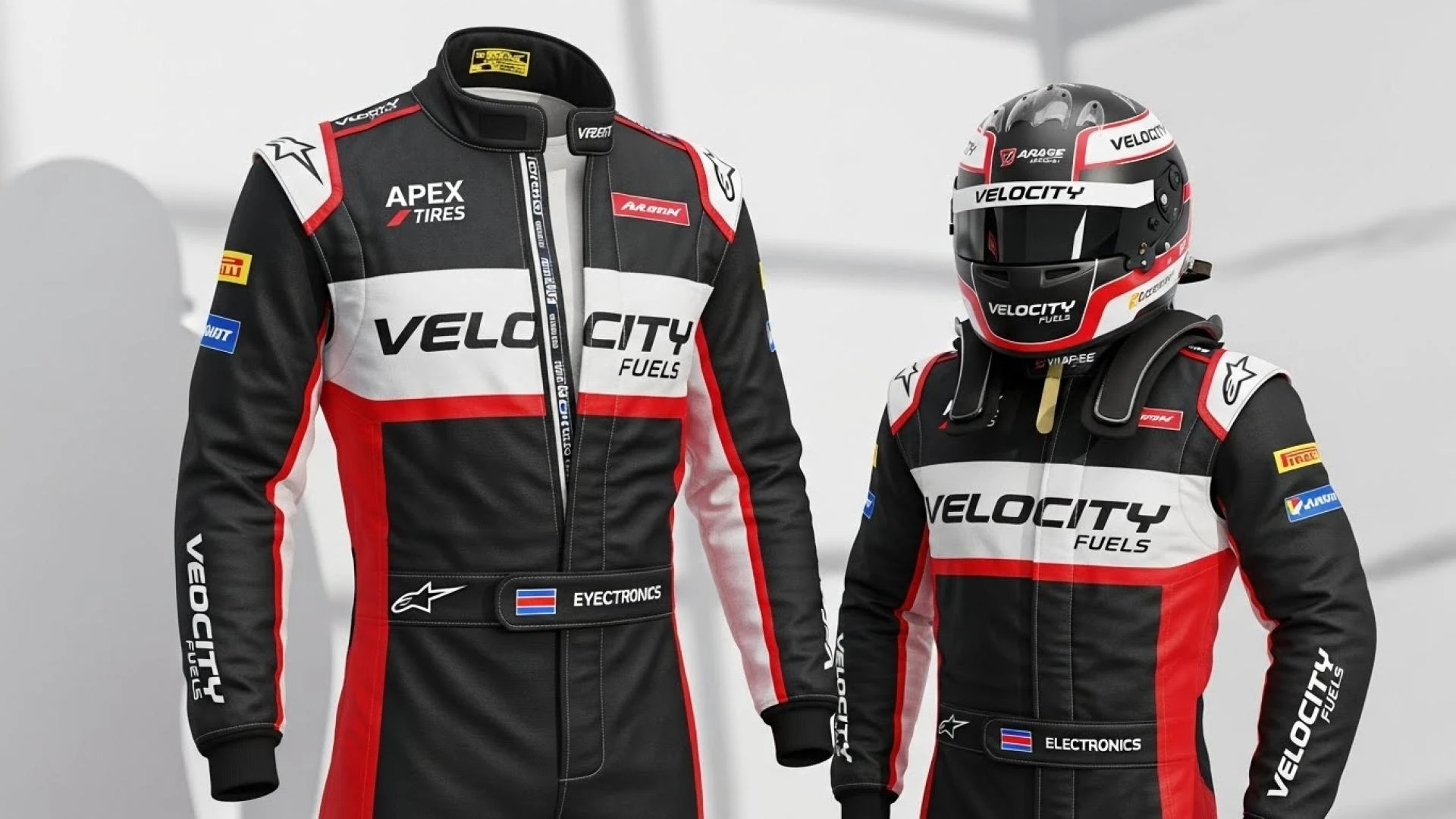
The design of Charles Leclerc’s 2026 Ferrari suit reflects team branding precision and sponsor alignment. The layout includes Ferrari logos, partner placements, and driver-specific personalization.
Visual and Branding Components
- Ferrari shield logo is positioned on the chest
- Sponsor logos, such as Shell and Santander, are placed symmetrically
- Driver name “Leclerc” printed above the waistline
- National flag patch (Monaco) placed on the upper torso
- Red base color with black and yellow accents
Design consistency ensures brand recognition across global race broadcasts.
FIA Safety Standards and Compliance
The 2026 Ferrari F1 race suit complies with FIA 8856-2018 homologation standards. These standards define fire resistance, heat transfer limits, and material durability.
Safety Performance Metrics
- Thermal Protection Performance (TPP): Minimum 11 seconds of protection
- Heat Transfer Index (HTI): Minimum 13 units
- Seam strength: Withstands 350N force
- Material degradation resistance under 800°C exposure
These metrics ensure driver survival time in high-risk fire incidents.
Materials Used in the 2026 F1 Race Suit
The 2026 race suit uses Nomex fibers, aramid blends, and moisture-wicking inner linings. These materials provide fire resistance and thermal insulation.
Material Composition Breakdown
- Outer layer: Nomex III fabric
- Middle layer: Aramid insulation blend
- Inner layer: Moisture-wicking soft knit lining
Examples of aramid fibers include Kevlar and Twaron, both known for high tensile strength and heat resistance.
Custom F1 Suit Production Process
The production of a custom F1 suit follows measurement-based tailoring, material cutting, and FIA-compliant assembly. This process ensures exact fit and safety compliance.
Step-by-Step Manufacturing Process
- Measurement acquisition includes chest, waist, inseam, and shoulder width
- Pattern development aligns with driver posture and cockpit seating angle
- Material cutting uses CNC-guided precision tools
- Layer stitching integrates fireproof thread and flat seams
- Quality inspection tests heat resistance and seam durability
Each stage ensures consistency with professional racing standards.
Differences Between Replica and Professional Race Suits
Replica suits differ from professional race suits in certification, material layers, and intended usage. Professional suits meet FIA standards, while replicas focus on visual accuracy.
Key Differences
- FIA certification is present only in professional suits
- Replica suits use 1–2 fabric layers instead of 3 layers
- Professional suits withstand direct flame exposure
- Replica suits are used for fans, events, and sim racing
Examples of usage scenarios include motorsport exhibitions, cosplay events, and karting sessions.
Why the 2026 Ferrari Suit Attracts Global Fans
The 2026 Ferrari race suit attracts fans due to driver popularity, team legacy, and authentic design replication. Ferrari remains one of the most followed teams in Formula 1.
A 2025 motorsport audience report shows that Ferrari holds over 35% of global F1 fan preference, making its merchandise highly demanded.
Fan Appeal Factors
- Association with Charles Leclerc
- Ferrari’s historical legacy in Formula 1
- High-visibility red color identity
- Accurate sponsor detailing
These factors increase demand in Europe, Asia, and the Middle East.
How to Provide Progression Race Wears Suit in 2026
Progression Race Wears provides custom-designed 2026 F1 race suits through global manufacturing, sizing, and export systems. The company operates with structured production and delivery workflows.
Supply Process Overview
- Order placement includes design selection and customization inputs
- Size customization uses standard or custom measurement charts
- Production timeline ranges from 7 to 14 days
- Quality control ensures stitching, print accuracy, and material consistency.
- Global shipping delivers products within 5–10 business days
If bulk orders exceed 50 units, production scaling adjusts timelines and logistics.
Product Offering Categories
- Custom F1 race suits (driver-specific replicas)
- Karting suits (entry-level racing gear)
- Leather racewear (motorcycle suits, biker jackets)
- Casual wear (team-inspired apparel)
Examples of custom suits include Ferrari-themed suits, Red Bull replicas, and personalized racing suits with user-defined names.
Sizing and Fit Customization
Sizing customization ensures ergonomic fit based on body dimensions and racing posture requirements. Accurate sizing improves comfort and performance.
Measurement Categories
- Chest circumference (in cm)
- Waist circumference (in cm)
- Height (in cm)
- Arm length (in cm)
- Leg inseam (in cm)
If measurements deviate by more than 3 cm from standard charts, custom tailoring ensures a correct fit.
Maintenance and Suit Care Guidelines
Proper maintenance extends the lifespan of the race suit and preserves fire-resistant properties. Cleaning and storage must follow controlled methods.
Care Instructions
- Wash using a mild detergent at 30°C temperature
- Avoid bleach or chemical solvents
- Air dry without direct sunlight exposure
- Store in dry conditions below 25°C
Examples of improper care include machine drying at high heat and exposure to direct flames.
Global Availability and Export Reach
The 2026 Charles Leclerc Ferrari race suit is available globally through export-based manufacturers and online distributors. Production hubs distribute to over 40 countries.
Export Regions
- Europe: Italy, Germany, France
- Asia: UAE, Pakistan, Japan
- North America: USA, Canada
These regions represent major motorsport consumer markets.
Conclusion
The 2026 Charles Leclerc Ferrari F1 race suit combines FIA-certified safety, advanced materials, and Ferrari’s iconic design identity. Structured manufacturing, precise customization, and global distribution define its accessibility for both professional drivers and fans.
FAQ Section
What is the material used in the 2026 Charles Leclerc Ferrari F1 race suit?
The suit uses Nomex-based fireproof fabric combined with aramid insulation layers. These materials provide flame resistance and thermal protection.
How does a custom F1 suit differ from a standard-size suit?
A custom F1 suit fits exact body measurements, while standard suits follow predefined size charts. Custom suits improve comfort and mobility.
Why is FIA certification important in race suits?
FIA certification ensures the suit meets fire resistance and safety standards required in professional motorsport. Non-certified suits lack guaranteed protection levels.
How long does it take to produce a 2026 Ferrari race suit?
Production typically takes 7 to 14 days, depending on customization level and order size. Bulk orders may extend timelines.
How can Progression Race Wears deliver worldwide?
Global logistics networks enable shipping within 5–10 business days across 40+ countries. Export systems handle customs and delivery processes efficiently.