
A 12in subwoofer box can deliver powerful, enjoyable bass without taking over your vehicle's interior when you choose the right enclosure and plan the installation carefully. Whether you drive a pickup truck, sedan, or SUV, the goal is to balance low-frequency performance with the space you need for passengers, groceries, tools, or other cargo. The best setup depends on the subwoofer's specifications, enclosure design, available dimensions, and your listening preferences.
A larger box does not automatically produce better bass. An enclosure that is properly matched to the subwoofer can perform better than an oversized or poorly designed alternative. By understanding enclosure types, measuring your vehicle, and choosing suitable components, you can build a car audio system delivers satisfying bass while keeping your cabin practical.
Sealed Boxes for Compact, Controlled Bass
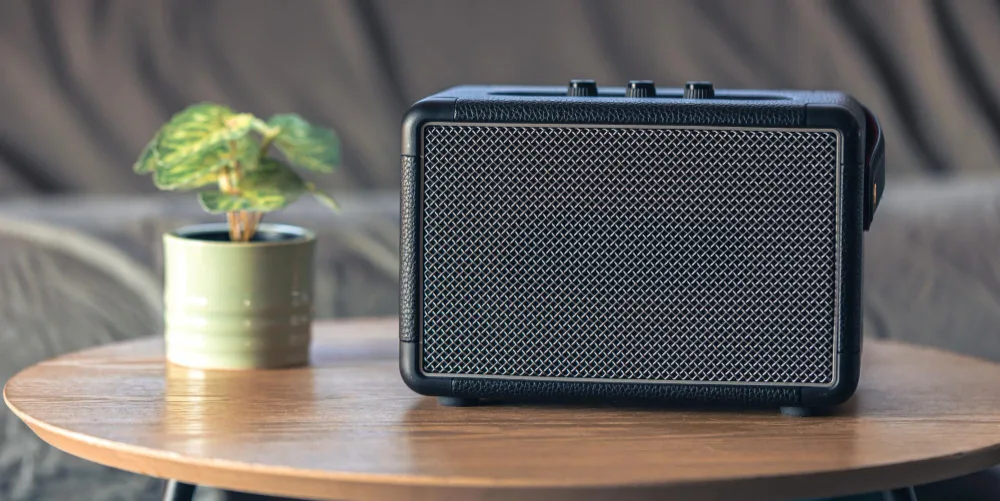
A 12in subwoofer box has a closed chamber without a port. The trapped air helps control the subwoofer cone's movement, making this design a popular option for listeners who value tight, defined bass.
Sealed boxes can be easier to package into smaller spaces because they do not require room for a port. However, the enclosure still needs enough internal volume to meet the subwoofer's requirements. A box that is too small can compromise performance even if it fits perfectly in the vehicle.
This style can work well for daily drivers who want a balanced audio system without sacrificing too much trunk or cabin space.
Verify the Recommended Internal Volume
Look up the subwoofer manufacturer's recommended sealed or ported enclosure volume. Compare that recommendation with the box's net internal volume which accounts for space occupied by the speaker and other internal components.
Do not rely only on the box's external measurements. Wall thickness reduces the space inside, and a ported design also needs its port volume considered.
Choosing a suitable internal volume helps the enclosure operate as intended and prevents you from buying a box simply because it fits the available area.
Check for Rattles and Placement Issues
Loose trim, license plates, panels, or unsecured cargo can create noises that sound like problems with the subwoofer. Inspect these areas before changing equipment.
If practical, test different enclosure positions. The vehicle cabin affects how low frequencies are heard, and moving the box may change the perceived bass response without requiring a larger enclosure.
The best 12in subwoofer box balances bass performance, enclosure specifications, and the practical needs of your vehicle. Start by measuring the installation area, then compare sealed and ported designs according to your sound preferences and available room.
Check the subwoofer's recommended net internal volume, mounting depth, and impedance requirements before buying. Prioritize strong construction, airtight sealing where required, and secure installation. Finally, tune the amplifier and crossover settings carefully.
With the right planning, you can enjoy satisfying bass without allowing your subwoofer system to take over the space you need every day.
Frequently Asked Questions (FAQs)
1. What is the best 12in subwoofer box for a small car?
A compact sealed enclosure is often a practical option because it does not need space for a port. The best choice still depends on the subwoofer's recommended internal volume, the available installation area, and your preferred bass response.
2. Does a bigger 12-inch subwoofer box produce better bass?
Not necessarily. The enclosure must match the subwoofer's design requirements. A box that is too large or too small may deliver different results than intended, so always check the manufacturer's recommended enclosure volume.
3. Can a 12-inch subwoofer box fit behind a truck seat?
Yes, some enclosures are designed for behind-seat or under-seat installations. Measure the available width, height, and depth, and confirm the box's mounting clearance and internal volume before purchasing.
4. How can I improve bass without buying a larger subwoofer box?
Start by checking the enclosure's fit and seals, securing the box, eliminating vehicle rattles, and tuning the amplifier gain and crossover settings. Correct placement and system configuration may improve the listening experience without requiring a larger enclosure.