
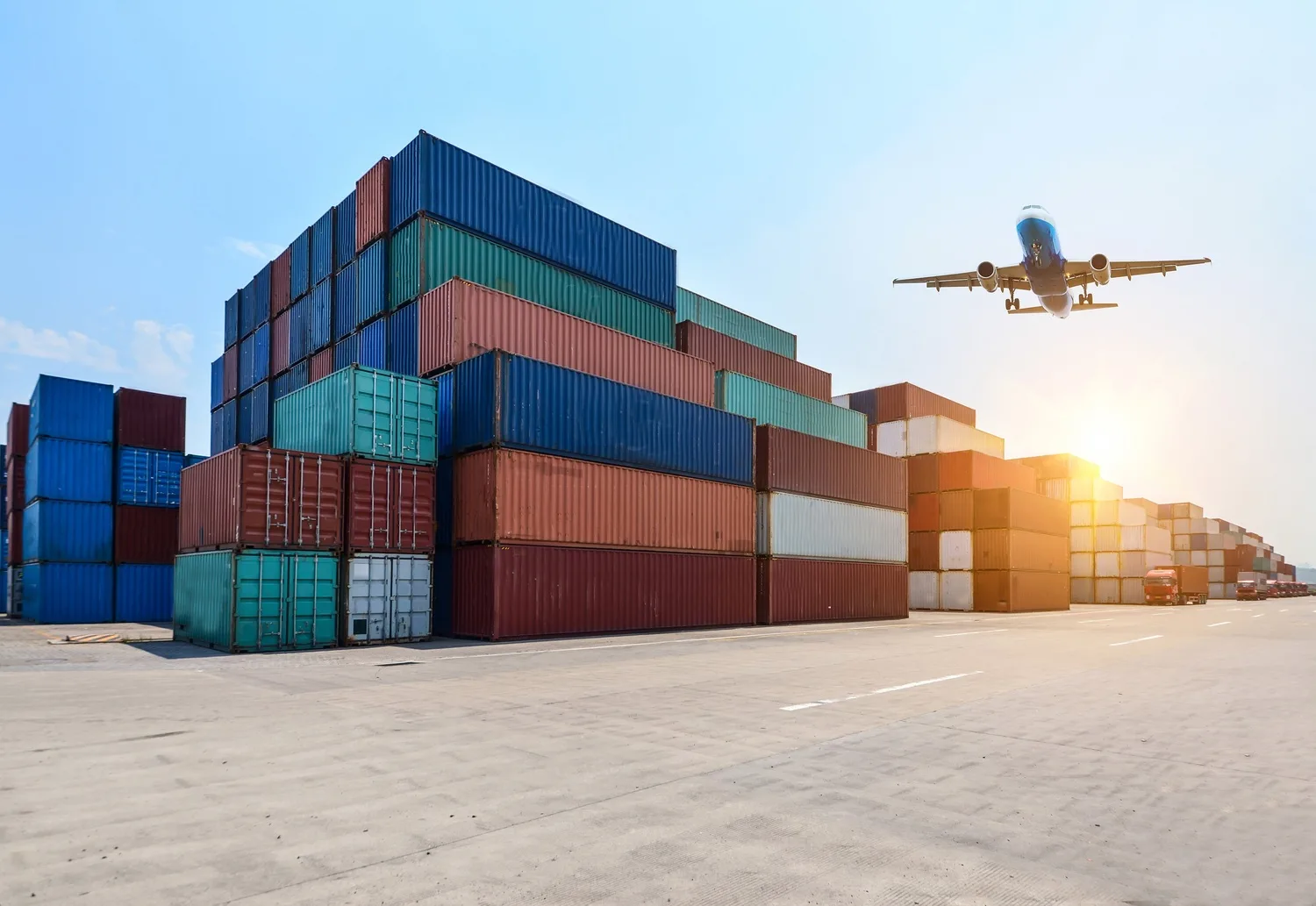
Sending an international parcel involves several stages between the sender and the final recipient. Although a shipment may be properly packed and booked, its final delivery can still be influenced by customs procedures, documentation, transportation conditions, destination requirements, weather, and local delivery operations.
Understanding these factors can help individuals and businesses set more realistic delivery expectations and prepare shipments more carefully. This is particularly important when sending parcels across different regions, where import regulations and transportation processes can vary considerably.
Here are 11 things that can affect the final delivery of an international parcel.
1. Accuracy of the Shipping Address
The delivery address is one of the first details that can influence whether a parcel reaches the recipient successfully. An incomplete or incorrect address can cause delivery attempts to fail, create routing problems, or result in additional verification.
The sender should provide:
- Full recipient name
- Building or house number
- Street or locality
- City
- State or province, where applicable
- Postal or ZIP code
- Country
- Valid contact information when required
For international shipments, address formats can differ between countries. A business arranging courier to europe from india or an india to europe courier service should ensure that the destination address follows the applicable local format.
2. Completeness of Customs Documentation
International parcels usually need customs information before they can enter the destination country. Missing, inconsistent, or inaccurate information can result in additional processing.
Depending on the shipment, documentation may include:
- Commercial or pro forma invoice
- Item description
- Declared value
- Quantity
- Country of origin
- Purpose of shipment
- Supporting certificates or permits, where required
For example, shipments involving india to solomon islands courier service or courier from india to solomon islands may require destination-specific documentation.
The more accurately the shipment information is prepared, the easier it can be for authorities and logistics operators to determine how the parcel should be processed.
3. Customs Clearance Procedures
Customs clearance can have a significant impact on the final delivery timeline. When a parcel enters another country, authorities may review its contents, declared value, classification, documentation, and eligibility for import.
Additional questions or inspections can extend the processing time.
Customs procedures can vary depending on:
- Destination country
- Product category
- Shipment value
- Quantity
- Import regulations
- Required permits
- Duties and taxes
This is relevant to routes such as courier from india to turkey, courier from india to papua new guinea, and courier from europe to india, where different import processes may apply.
4. Duties, Taxes, and Other Import Charges
International parcels may be subject to customs duties, taxes, or other charges depending on the destination country's regulations.
If an applicable amount needs to be paid before delivery, the parcel may remain on hold until the required process is completed. The final delivery can therefore depend not only on transportation but also on how quickly the recipient or importer completes the necessary payment or documentation process.
Businesses handling norway to india courier service, courier from norway to india, or finland to india courier service should account for possible destination-side charges when planning shipments.
5. Nature and Classification of the Parcel Contents
The type of item being shipped can affect how the parcel is handled. Ordinary documents and permitted consumer goods may follow a different process from regulated, restricted, fragile, perishable, or high-value items.
Correct product classification and descriptions are important because customs authorities may need to determine whether an item requires special treatment.
This becomes particularly relevant for specialized categories such as dangerous goods shipping service and dangerous goods delivery services. Certain dangerous goods may require specific packaging, labels, documentation, and transportation procedures.
6. Packaging and Physical Condition
Packaging can influence both the safety and final delivery of an international parcel. A package that is poorly sealed, too weak, or unsuitable for its contents may be more vulnerable during handling and transportation.
Appropriate packaging should consider:
- Weight
- Dimensions
- Fragility
- Moisture sensitivity
- Internal movement
- Stacking
- Handling conditions
For larger or heavier consignments, the sender may also need to compare parcel delivery with freight options such as a door to door cargo service.
Good packaging cannot eliminate every transportation risk, but it can help protect the contents during the different stages of international handling.
7. Transportation and Transit Conditions
International parcels can pass through multiple facilities and transportation networks before reaching the recipient. The route may involve road transportation, air transportation, sorting centers, customs facilities, and local delivery networks.
Transit conditions can be influenced by:
- Flight availability
- Transportation schedules
- Network congestion
- Weather
- Operational disruptions
- Public holidays
- Destination-side capacity
For routes such as latvia to india shipping, latvia to india courier service, and courier from latvia to india, transit conditions at both the origin and destination can affect the final delivery.
8. Destination-Country Regulations
Each country can have its own rules concerning what may be imported and under what conditions. These rules may apply to food, medicines, electronics, chemicals, personal belongings, commercial goods, and other categories.
Before shipping, senders should check whether the contents are permitted and whether additional documentation is required.
For example, businesses handling india to latvia courier service, india to estonia courier service, or courier from india to estonia should consider the requirements applicable to their specific shipment.
Similarly, shipments involving greece to india courier service, courier from greece to india, or lithuania to india courier service may be affected by destination-specific customs and import procedures.
9. Food and Perishable Items
Food shipments can involve additional controls compared with ordinary parcels. Depending on the destination and type of food, authorities may consider ingredients, labeling, shelf life, packaging, quantity, and food-import regulations.
Anyone using international food courier services or international courier services for food items should check the destination requirements before dispatch.
If food products require additional inspection or documentation, the clearance process may take longer than that of a standard permitted parcel.
The sender should also consider whether the packaging is appropriate for the expected transit conditions and whether the product can remain suitable throughout transportation.
10. Delivery Requirements at the Destination
The final stage of international delivery depends on the local delivery network and the recipient's ability to receive the parcel.
Factors that can affect final delivery include:
- Recipient availability
- Correct contact information
- Local address accessibility
- Delivery instructions
- Remote-area location
- Local holidays
- Failed delivery attempts
- Required identity or document verification
For example, an international parcel may reach the destination country but still require additional time for local delivery arrangements.
Businesses arranging import courier services should therefore consider both the international transportation stage and the destination-side delivery process.
11. Special Shipment Requirements and Service Type
Not every international parcel follows the same shipping process. Personal belongings, relocation shipments, unaccompanied baggage, commercial goods, and specialized items can have different documentation and handling requirements.
For people moving internationally, international relocation shipping may involve larger quantities of personal belongings and different preparation requirements from an ordinary parcel.
Similarly, an unaccompanied baggage service may be appropriate for certain travel-related baggage situations, subject to applicable rules.
The chosen service type should reflect the shipment's contents, size, urgency, destination, and delivery requirements.
This also applies to regional shipping arrangements. For example, businesses may need to consider different factors when managing india to middle east courier service, india to gulf countries courier, or india to gcc courier service.
Companies shipping from Europe to India may similarly need to review the requirements for shipping from europe to india and the applicable courier from europe to india procedures.
Additional Route-Specific Considerations
International shipping should always be viewed as a route-specific process rather than a single standardized operation.
For example, a sender managing india to scotland shipping may need to consider requirements that differ from shipments to other European destinations. Likewise, businesses arranging courier from india to gcc countries should consider the specific regulations of the destination country rather than treating the entire Gulf region as having one identical import system.
Local pickup and dispatch arrangements can also influence the first stage of delivery. Businesses looking for international courier services in amritsar, for example, may need to consider pickup availability, shipment documentation, packaging, and the destination's import requirements before dispatch.
Frequently Asked Questions
1. What can cause an international parcel to be delayed after it has been shipped?
Common factors include customs clearance, incomplete documentation, duties or taxes, incorrect addresses, transportation disruptions, destination regulations, inspections, and failed delivery attempts.
2. Does the destination country affect international delivery time?
Yes. Different countries have different customs procedures, import regulations, transportation networks, and local delivery systems. These factors can influence the final delivery timeline.
3. Can incorrect documentation affect parcel delivery?
Yes. Missing or inconsistent documentation can result in additional checks or requests for information, potentially extending the customs clearance process.
4. Are food shipments more complicated than ordinary parcels?
They can be. Food products may be subject to additional requirements concerning ingredients, labeling, shelf life, packaging, permits, and import regulations.
5. Can packaging affect the final delivery?
Yes. Poor packaging can increase the possibility of damage during handling. Packaging should be suitable for the item's weight, dimensions, fragility, and expected transportation conditions.