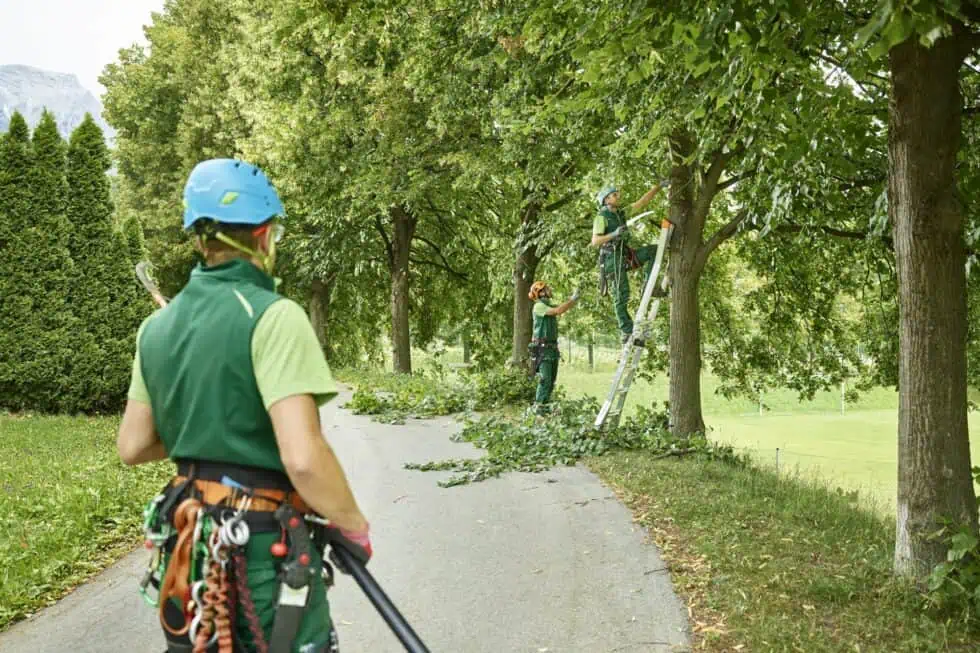
"At Precision Arborcare, our work as arborists is rooted in safety, health, and preservation," said an arborist from the company. "Every tree tells its own story through its structure and growth patterns. When we trim or prune, it’s not just about shaping the canopy, it’s about preventing potential hazards and supporting the tree’s overall health. Addressing weak limbs, improving airflow, and maintaining balanced root systems are essential steps in keeping trees strong and secure. Our goal is to help property owners maintain healthy, resilient trees that continue to add value and safety to their surroundings year after year."
Maintaining the beauty, health, and safety of your trees is one of the most rewarding aspects of home and landscape care. Trees add character, shade, and value to your property — but like any living organism, they need proper care and attention to thrive. One of the most effective ways to ensure the longevity and vitality of your trees is through regular trimming and pruning. While many homeowners overlook this essential maintenance task, an experienced arborist will tell you that consistent care can make all the difference between a flourishing tree and one that poses a risk.
In this article, we’ll explore 10 important reasons to trim and prune your trees every year — and why services such as stump grinding and professional arborist consultations can transform the way your landscape looks and functions.
1. Promotes Tree Health
Just like humans, trees need regular health check-ups and care to grow strong. Pruning removes dead, diseased, or damaged branches that can attract pests or spread decay. By getting rid of these unhealthy parts, you allow the tree to redirect its nutrients and energy toward healthy growth. An annual trim also helps increase sunlight penetration and air circulation within the canopy, reducing the risk of fungal infections and promoting overall tree vitality.
2. Enhances Aesthetic Appeal
A beautifully pruned tree adds structure and symmetry to your garden or yard. It enhances curb appeal, making your property look neat and well-kept. Whether you have ornamental trees or large shade trees, shaping them through regular trimming can create a visually pleasing balance in your landscape. An arborist can help shape the tree according to its natural growth patterns while ensuring it remains healthy and strong.
3. Prevents Property Damage
Overgrown branches can pose serious hazards to your property, vehicles, fences, or even nearby power lines. Heavy branches that hang too close to rooftops or windows can break during storms or high winds, leading to expensive repairs. Regular trimming minimizes these risks by controlling growth direction and removing potential threats before they become dangerous.
4. Improves Sunlight Exposure and Air Circulation
Dense foliage can block sunlight and airflow, not only affecting the tree’s health but also stunting the growth of nearby plants and grass. Pruning helps thin the canopy, allowing more sunlight to reach lower branches and surrounding vegetation. This improved light and air circulation promote better photosynthesis and reduce the risk of mold or mildew growth, keeping your entire yard healthier.
5. Encourages Fruit and Flower Production
If you have fruit-bearing or flowering trees, regular pruning is essential for maximum yield and vibrant blooms. Removing weak or overcrowded branches allows the tree to focus its energy on producing fruit and flowers rather than maintaining excessive foliage. Gardeners and homeowners who prune annually often notice fuller blossoms and more abundant harvests.
6. Enhances Safety Around Your Property
Safety should always be a top priority when it comes to tree care. Weak or overextended branches can break unexpectedly, posing a threat to people, pets, and structures. Regular inspections and trimming by a certified arborist ensure that your trees remain structurally sound. They can identify branches at risk of falling and address the issue before it causes harm or injury.
7. Prevents Pest Infestations and Disease Spread
Dead or decaying branches attract insects, rodents, and fungi, which can spread to other parts of the tree or nearby plants. Trimming removes these problem areas, preventing pests from establishing colonies. Moreover, pruning encourages faster healing and reduces entry points for diseases, helping your trees remain strong and resilient year-round.
8. Encourages New Growth
When old branches are pruned, trees can produce fresh, healthy growth. Trimming stimulates new shoots, enhancing the tree’s overall structure and density. This is especially beneficial for younger trees, as it helps them develop a sturdy, well-balanced framework that will support future growth. Proper pruning techniques performed annually can significantly influence the tree’s shape and longevity.
9. Increases Property Value
Well-maintained trees contribute significantly to your home’s curb appeal and overall property value. Potential buyers appreciate a landscape that is both beautiful and safe. Trees that are regularly pruned and maintained demonstrate that the homeowner has invested in the property’s upkeep. In contrast, neglected trees can become liabilities — with risks of damage or disease that could reduce your home’s value.
10. Makes Storm Damage Cleanup Easier
Strong winds and storms can cause significant damage to overgrown or poorly maintained trees. Branches may break, fall, or even pull down the tree itself. By keeping your trees trimmed and structurally balanced, you minimize the chances of storm damage. In the event that a storm does cause harm, cleanup becomes far more manageable. Services such as stump grinding can also be helpful after severe weather if a tree has fallen or been removed, leaving an unsightly stump behind.
The Importance of Professional Help
While some light pruning can be done by homeowners, larger trees and complex trimming jobs should always be handled by a trained arborist. These professionals understand tree biology, safety protocols, and the correct pruning methods for different species. They also possess the right equipment to perform the job efficiently and safely. A professional arborist can evaluate each tree’s condition and create a maintenance plan tailored to its unique needs.
Stump Grinding: The Final Step in Tree Care
When trees are removed or fall due to age or storm damage, the remaining stump can become a breeding ground for pests, fungi, and weeds. It can also pose a tripping hazard and make landscaping difficult. That’s where stump grinding comes in. This process involves using specialized machinery to grind the stump below ground level, eliminating safety risks and allowing for smooth replanting or landscaping. Stump grinding not only improves the look of your yard but also prevents regrowth and decay.
Conclusion
Regular trimming and pruning are essential for maintaining the beauty, safety, and health of your trees. From promoting new growth and preventing disease to enhancing property value and reducing storm damage, the benefits are undeniable. Working with a certified arborist ensures that your trees receive expert care and attention, keeping them strong and beautiful for generations.
ISA Certified Arborist, crown reduction, tree health assessment, root zone management, tree risk assessment, cabling and bracing, soil conditioning, pruning standards, hazard tree evaluation
If your property has leftover stumps from old or fallen trees, consider stump grinding to restore your landscape’s beauty and safety. By investing in annual tree care, you’ll enjoy a vibrant, hazard-free yard that enhances both your home and the environment.
In the end, trimming and pruning every year isn’t just about aesthetics — it’s about ensuring the long-term health and harmony of your outdoor space.