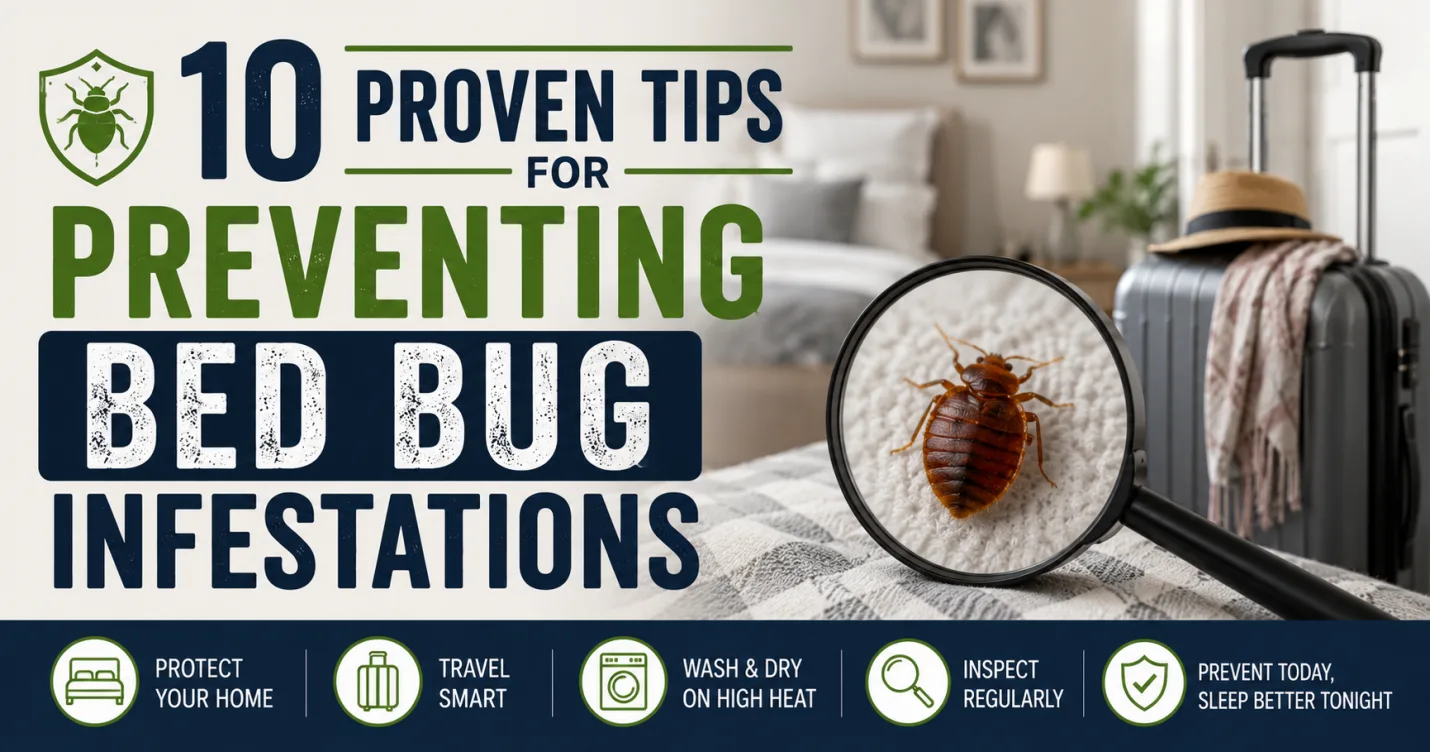
Bed bugs are among the most frustrating pests homeowners and travelers can encounter. These tiny insects are experts at hiding, reproduce quickly, and can be extremely difficult to eliminate once they establish themselves indoors. As awareness of infestations continues to grow, many people are seeking reliable bed bug control strategies to protect their homes and families. Fortunately, prevention is often far easier and less expensive than dealing with a full-blown infestation.
Bed bugs do not discriminate between clean and dirty homes. They can be found in houses, apartments, hotels, dormitories, and even public transportation. Because they are skilled hitchhikers, they often spread by attaching themselves to luggage, clothing, furniture, and other personal belongings.
The good news is that there are several practical steps you can take to reduce the risk of bringing bed bugs into your home. Here are ten proven tips for preventing bed bug infestations.
1. Inspect Hotel Rooms When Traveling
Travel is one of the most common ways bed bugs spread from one location to another.
Before settling into a hotel room, take a few minutes to inspect the sleeping area.
Look for:
● Small reddish-brown bugs
● Tiny white eggs
● Dark fecal spots on mattresses
● Shed insect skins
● Blood stains on bedding
Pay close attention to mattress seams, headboards, bed frames, and upholstered furniture. If you notice signs of bed bugs, request a different room located far from the affected area.
2. Keep Luggage Off the Bed and Floor
When staying in hotels or rental properties, avoid placing your luggage directly on beds, carpets, or upholstered furniture.
Instead:
● Use luggage racks whenever possible
● Store suitcases on hard surfaces
● Keep bags away from sleeping areas
These simple precautions can significantly reduce the chances of bed bugs crawling into your belongings during your stay.
3. Wash Travel Clothing Immediately
After returning home from a trip, unpack carefully and wash all clothing as soon as possible.
Even items that were not worn should be cleaned because bed bugs may have hidden inside luggage during travel.
For best results:
● Wash clothing in hot water when appropriate
● Dry items on high heat
● Vacuum luggage thoroughly
● Store suitcases away from bedrooms
Heat is one of the most effective tools for killing bed bugs and their eggs.
4. Inspect Secondhand Furniture Carefully
Used furniture can offer excellent savings, but it may also introduce unwanted pests into your home.
Before purchasing or bringing secondhand items indoors, inspect them carefully for signs of bed bug activity.
Pay close attention to:
● Mattress seams
● Furniture joints
● Upholstered cushions
● Wooden cracks and crevices
Avoid picking up discarded furniture left on curbs, as these items may have been removed due to pest infestations.
5. Reduce Household Clutter
Bed bugs thrive in cluttered environments because they have more places to hide and reproduce.
Reducing clutter can:
● Limit hiding spots
● Improve inspection visibility
● Make treatment easier if problems occur
● Reduce the risk of unnoticed infestations
Focus on keeping bedrooms, closets, storage areas, and under-bed spaces organized and accessible.
6. Use Protective Mattress and Box Spring Encasements
Specialized bed bug-proof encasements provide an additional layer of protection for mattresses and box springs.
These covers help by:
● Preventing bed bugs from entering mattresses
● Trapping existing bugs inside
● Simplifying inspections
● Reducing hiding locations
High-quality encasements can play an important role in a comprehensive prevention strategy.
7. Vacuum Regularly
Routine vacuuming helps remove bed bugs, eggs, and debris before populations have an opportunity to grow.
Areas to vacuum include:
● Mattresses
● Bed frames
● Baseboards
● Carpets
● Upholstered furniture
● Cracks and crevices
After vacuuming, dispose of vacuum contents promptly in a sealed bag outside the home to prevent potential reinfestation.
8. Monitor Sleeping Areas Frequently
Early detection is one of the most effective ways to prevent a small bed bug problem from becoming a major infestation.
Watch for signs such as:
● Unexplained bite marks
● Small blood spots on sheets
● Dark staining around mattress seams
● Live insects near sleeping areas
Regular inspections allow homeowners to identify issues before they spread throughout the property.
9. Seal Cracks and Crevices
Bed bugs can hide in extremely small spaces, including wall cracks, baseboards, furniture joints, and electrical outlets.
Sealing these areas can:
● Eliminate hiding spots
● Reduce movement between rooms
● Support overall pest prevention efforts
Use caulk or other appropriate sealants to close gaps around walls, flooring, and furniture where bed bugs may seek shelter.
10. Act Quickly at the First Sign of Activity
One of the biggest mistakes homeowners make is delaying action after noticing potential signs of bed bugs.
Because bed bugs reproduce rapidly, even a small infestation can grow significantly within a short period.
If you suspect bed bug activity:
● Inspect affected areas immediately
● Isolate potentially infested items
● Avoid moving items between rooms
● Contact a professional pest management provider
Prompt intervention greatly increases the likelihood of successful treatment while minimizing costs and disruption.
Why Prevention Is So Important
Bed bugs are notoriously difficult to eliminate once they become established. Unlike many household pests, they can survive for extended periods without feeding and often hide in locations that are difficult to access.
An active infestation can result in:
● Sleep disturbances
● Stress and anxiety
● Repeated bites
● Treatment expenses
● Property management challenges
Preventive measures help homeowners avoid these complications while maintaining a comfortable and healthy living environment.
Common Myths About Bed Bugs
Many misconceptions about bed bugs prevent people from taking proper precautions.
Myth 1: Bed Bugs Only Infest Dirty Homes
Bed bugs are attracted to people, not dirt. Even spotless homes can experience infestations.
Myth 2: Bed Bugs Are Too Small to See
While young bed bugs are tiny, adult bed bugs are visible to the naked eye.
Myth 3: Bed Bugs Only Live in Beds
Although they often stay near sleeping areas, bed bugs can also hide in furniture, walls, carpets, and luggage.
Understanding these facts can help homeowners recognize risks and respond appropriately.
When Professional Help Is Needed
Despite your best prevention efforts, infestations can occasionally occur. Professional pest control specialists have the tools, experience, and treatment methods necessary to identify and eliminate bed bug populations effectively.
Professional services may include:
● Detailed inspections
● Heat treatments
● Targeted insecticide applications
● Follow-up monitoring
● Prevention recommendations
Expert intervention often delivers faster and more reliable results than DIY treatments alone.
Conclusion
Preventing bed bug infestations requires awareness, consistency, and proactive habits. From inspecting hotel rooms and washing travel clothing to reducing clutter and monitoring sleeping areas, small preventive actions can make a significant difference.
By following these ten proven tips, homeowners can reduce the likelihood of bringing bed bugs into their homes and avoid the stress, inconvenience, and expense associated with infestations. When combined with regular inspections and prompt action, these strategies provide a strong defense against one of the most challenging household pests.