A prefab ADU in Massachusetts can be one of the smartest investments a homeowner makes, but only when the groundwork is done properly. The 2024 Affordable Homes Act opened the door statewide, and prefab construction makes the build faster and more predictable than ever. Still, the unit itself is often the easy part. The site, the rules, and the team behind the project determine whether you end up with a smooth installation or an expensive headache. Here are ten considerations to work through before you commit.
1. Confirm Your By-Right Eligibility
Under the Affordable Homes Act, homeowners can build one ADU by right on single-family lots in nearly every Massachusetts community, with Boston operating under its own rules. By right, no special permit or discretionary board vote is required when your unit meets state requirements. Confirm how your specific town is applying the law before you design anything.
2. Know the Size Cap
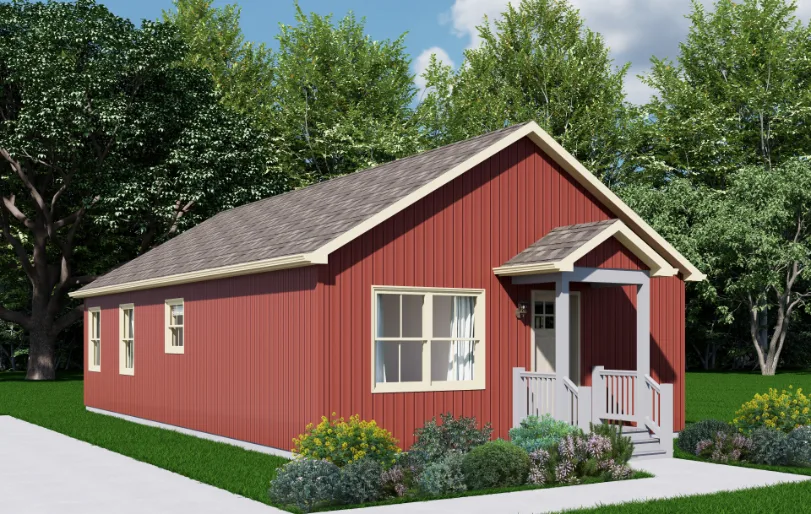
State law limits a protected ADU to 900 square feet, or 50 percent of the primary home, whichever is smaller. Many prefab tiny homes in Massachusetts fit comfortably within that envelope, but you should confirm your chosen model qualifies so you stay inside the by-right protections rather than triggering additional review.
3. Check Site Access for Delivery
Prefab and modular units arrive as large sections that must be craned or trucked onto your lot. Narrow streets, low utility lines, tight gates, and steep grades can complicate or even block delivery. Have your builder assess access early, because a unit that cannot reach its foundation is a problem no design tweak can fix.
4. Plan the Foundation
A prefab ADU still needs a proper, code-compliant foundation, whether that is a full basement, crawl space, or slab. Site conditions like soil type, drainage, and grading affect both cost and approach. This is on-site work that happens regardless of how the unit itself is built, so factor it into your budget from the start.
5. Map Out Utilities
Water, electrical, and sewer or septic connections are among the biggest variables in any ADU project. Confirm whether you can tie into existing systems or need new service. Properties on septic may require capacity review or an upgraded system, which can be one of the largest line items in the entire build.
6. Understand Permitting and State Modular Approval
Even with by-right zoning, you still need building permits and inspections, and modular units must meet the Massachusetts State Building Code through the state’s modular program. A builder experienced with prefab ADU projects in Massachusetts will manage this approval process, coordinate inspections, and keep your timeline on track.
7. Budget for the Whole Project, Not Just the Unit
The price of the prefab unit is only part of the total. Site preparation, foundation, utility connections, permitting, and delivery all add up, and these costs vary widely by property. Ask for an itemized estimate that separates the unit from site work so you can see exactly where your money goes.
8. Verify Setbacks and Lot Constraints
While the state framework limits how much towns can restrict ADUs, basic dimensional rules like setbacks still apply. Confirm where on your lot the unit can legally sit, and account for any easements, wetlands buffers, or deed restrictions that could affect placement.
9. Choose a Builder With Real Prefab Experience
Not every contractor understands modular delivery, foundation coordination, and state approval. Look for a team with a track record of completed prefab tiny homes in Massachusetts, clear contracts, and references you can actually check. The right builder prevents costly missteps before they happen.
10. Line Up Financing Early
Financing an ADU may involve a home equity loan, a renovation loan, a construction loan, or a cash-out refinance. Each has different requirements and timelines. Talk to a lender before finalizing your build so the money is ready when the project is, and so the costs fit a repayment plan you are comfortable with.
Work through these ten points, and a prefab ADU becomes a manageable, high-value addition rather than a gamble. If you want guidance from a team that handles design, permitting, and installation end to end, the Pro’s Edge prefab ADU team can walk you through what your property will support.