
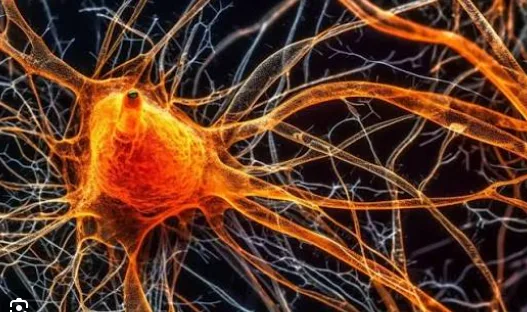
Parkinson's disease is a progressive neurological condition that affects movement, coordination, and several non-motor functions. It develops when dopamine-producing neurons in a specific area of the brain gradually become damaged or lost. Although conventional treatments help manage symptoms, researchers continue exploring new approaches to protect brain cells and restore neurological function. One promising area of scientific investigation is Stem Cells for Parkinson's Disease, which focuses on understanding how specialized cells may support dopamine production, neuronal health, and brain function. Here are ten important facts patients and families should understand about this developing field.
1. Parkinson's Disease Is Associated With Dopamine Loss
Dopamine is an important chemical messenger responsible for coordinating smooth and controlled movements. In Parkinson's disease, dopamine-producing neurons in the substantia nigra gradually degenerate.
This reduction in dopamine contributes to symptoms such as:
- Tremors, particularly when resting.
- Muscle stiffness and rigidity.
- Slowness of movement.
- Balance and coordination difficulties.
- Changes in walking patterns.
Understanding dopamine loss helps researchers identify potential approaches for neurological treatment.
2. Stem Cells Have the Potential to Develop Into Specialized Cells
Stem cells are unique because they can self-renew and, under appropriate laboratory conditions, develop into specialized cell types.
Researchers are particularly interested in pluripotent stem cells because they can be guided into becoming dopamine-producing neurons. These laboratory-generated cells may eventually offer an alternative source for replacing neurons lost during Parkinson's disease.
However, successful cell development does not automatically guarantee successful treatment in humans.
3. Dopamine-Producing Cell Replacement Is a Major Research Area
One of the most important areas of Parkinson's research involves replacing damaged dopamine-producing neurons.
Scientists are investigating whether stem-cell-derived dopaminergic neurons can survive after transplantation, connect with existing brain networks, and release dopamine appropriately.
Early clinical trials have reported encouraging findings regarding the feasibility of this approach. However, researchers still need to establish long-term effectiveness and safety.
4. Different Types of Stem Cells Are Being Investigated
Several stem cell sources are being studied for potential neurological applications.
- Embryonic stem cells: Pluripotent cells that can develop into various specialized cell types.
- Induced pluripotent stem cells (iPSCs): Adult cells reprogrammed into a pluripotent state.
- Mesenchymal stem cells (MSCs): Studied mainly for their immunomodulatory and biological signaling properties.
These cell types have different characteristics and potential applications. They should not be considered interchangeable treatments.
5. Stem Cells May Influence Neuroinflammation
Neuroinflammation refers to inflammatory activity within the nervous system. It is being investigated as one of the biological processes associated with Parkinson's disease progression.
Researchers are studying whether certain stem cells, particularly MSCs, can influence inflammatory pathways and immune responses.
Preclinical research suggests that these cells may release signaling molecules that affect the surrounding cellular environment. However, their ability to produce meaningful clinical improvements in Parkinson's patients remains uncertain.
6. Clinical Trials Are Evaluating New Treatment Approaches
Clinical trials are essential for understanding whether experimental treatments are safe and effective in people.
Recent research has investigated transplantation of stem-cell-derived dopamine-producing neurons into the brains of patients with Parkinson's disease. Early studies have reported promising safety and feasibility findings.
However, these studies are still developing, and larger controlled trials with longer follow-up are needed before the approach can be considered established standard care.
7. Stem Cell Treatment Is Not a Guaranteed Cure
Patients should understand that stem cell therapy has not been established as a cure for Parkinson's disease.
Although researchers are exploring cell replacement, neuroprotection, and immune regulation, there is insufficient evidence that currently available stem cell treatments can reliably reverse the condition or permanently restore normal movement.
Be cautious of providers promising guaranteed recovery, complete symptom elimination, or permanent results.
8. Safety Depends on the Cell Type and Treatment Method
When considering emerging regenerative approaches, patients should understand the potential risks associated with different procedures.
Important questions include:
- What type of cells are being used?
- Where do the cells come from?
- How are they processed and tested?
- What administration method is involved?
- What complications and side effects are possible?
- Is appropriate medical monitoring available?
For anyone asking, Is Stem Cell Therapy Safe, the answer depends on the specific intervention, its evidence, and the patient's medical circumstances. Experimental treatments can involve significant risks and should only be considered with appropriate medical guidance.
9. Stem Cell Research Is Different From Conventional Parkinson's Treatment
Established Parkinson's treatments focus primarily on symptom management and maintaining quality of life.
Common approaches include:
- Levodopa and other medications that help manage dopamine-related symptoms.
- Physical therapy to improve mobility and balance.
- Occupational therapy to support daily activities.
- Speech therapy for communication and swallowing difficulties.
- Deep brain stimulation for selected patients.
Regenerative research is exploring additional biological approaches, but it should not replace established treatment or prescribed medication.
10. Personalized Medical Evaluation Is Essential
Parkinson's disease affects people differently. Age, disease stage, general health, medication response, and other medical conditions all influence treatment decisions.
A comprehensive medical assessment helps determine whether an individual may be suitable for a particular clinical study or treatment approach.
At Longevity Medical Institute, patients can explore information about regenerative neurological services and discuss their individual health considerations through physician-directed consultations.
Why Explore Regenerative Neurological Research at Longevity Medical Institute?
Longevity Medical Institute, located in San José del Cabo, Mexico, provides healthcare services focused on advanced wellness and regenerative medicine.
Its regenerative neurological therapy program offers patients an opportunity to learn about emerging approaches being explored in neurological healthcare. The institute emphasizes individualized medical evaluation, professional oversight, and patient education.
People researching Stem Cell Therapy for Neurological Conditions should carefully evaluate scientific evidence, treatment protocols, physician qualifications, and regulatory requirements before making decisions.
Conclusion
Stem cell research is opening new possibilities for understanding and investigating Parkinson's disease. From dopamine-producing neuron replacement to exploring inflammation and neuronal protection, researchers are studying several approaches that may contribute to future neurological care. However, clinical evidence is still developing, and patients should maintain realistic expectations about potential outcomes. Stem Cells for Parkinson's Disease remains an evolving research field, making professional medical guidance, scientific evidence, and patient safety essential considerations. Contact Longevity Medical Institute to learn more about its regenerative neurological services and personalized healthcare approach.
Frequently Asked Questions (FAQs)
1. Can stem cells cure Parkinson's disease?
No. Stem cell therapy has not been proven to cure Parkinson's disease. Researchers are investigating its potential to replace dopamine-producing neurons and support neurological function.
2. Which stem cells are used in Parkinson's research?
Researchers are investigating embryonic stem cells, induced pluripotent stem cells, and mesenchymal stem cells for different potential applications.
3. Can stem cells restore dopamine production?
Stem-cell-derived dopaminergic neurons are being studied for their ability to produce dopamine after transplantation. Their long-term effectiveness is still under investigation.
4. Is stem cell therapy approved for Parkinson's disease?
Some cell-based products are being evaluated in regulated clinical trials. Experimental stem cell treatments should not be confused with approved standard Parkinson's care. Patients should verify the regulatory status of any proposed treatment.
5. Can Parkinson's patients stop taking medication after stem cell treatment?
No. Patients should continue prescribed treatment unless their neurologist recommends a change. Stem cell research does not currently justify independently stopping Parkinson's medication.