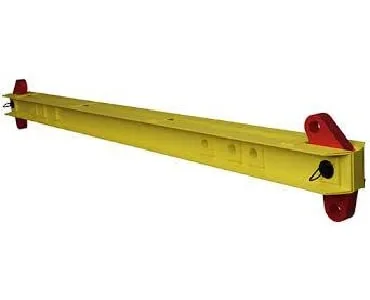
Selecting the right spreader beam is essential for ensuring safe, stable, and efficient lifting operations in industrial environments. Whether you operate a manufacturing facility, construction site, steel plant, or shipping yard, choosing suitable lifting equipment can significantly improve material handling efficiency. Working with an experienced Spreader Beam Manufacturer also helps ensure that the equipment meets your specific load requirements, operational conditions, and safety expectations. Before making a purchase, consider these ten important factors to make an informed investment.
1. Understand Your Load Capacity Requirements
Load capacity is one of the most important considerations when purchasing a spreader beam. Before selecting a model, determine the maximum weight of the materials you intend to lift. Consider the load's dimensions, weight distribution, and centre of gravity to establish the required working load limit (WLL).
Choosing equipment with an unsuitable capacity can create serious lifting hazards. Consult qualified lifting engineers to evaluate the complete lifting arrangement, including the beam, slings, shackles, and connecting hardware. The rated capacity must be appropriate for the intended configuration.
2. Choose the Right Beam Design
Spreader beams are available in different configurations, including fixed-length, adjustable, and modular designs. Each option serves different operational requirements.
Fixed-length models are suitable for repetitive lifting tasks involving similar load dimensions. Adjustable designs offer greater flexibility when handling materials of varying lengths, while modular configurations can accommodate different lifting arrangements. Evaluate your routine operations and future requirements before selecting a suitable design.
3. Check Material Quality and Construction
The quality of materials directly influences the strength, durability, and service life of lifting equipment. Industrial spreader beams are commonly fabricated using structural steel selected according to the intended loading conditions and engineering requirements.
Examine the manufacturer's material specifications, welding quality, surface finish, and corrosion protection measures. A well-constructed beam should be designed to withstand the anticipated forces during lifting and handling operations. For demanding industrial environments, appropriate protective coatings can also help reduce corrosion and premature deterioration.
4. Evaluate Lifting Points and Rigging Compatibility
Lifting points play a crucial role in maintaining load stability. Before purchasing, check the number, location, and configuration of attachment points available on the beam.
The upper connections must be compatible with the crane or hoist arrangement, while the lower connections should suit the slings and lifting accessories used for handling the load. Consider sling angles, attachment geometry, and load distribution during the engineering assessment. Incorrect rigging arrangements can introduce additional forces and compromise lifting stability.
5. Consider Available Headroom and Working Space
Available headroom is another important factor, particularly in factories, warehouses, and indoor industrial facilities. The overall lifting arrangement must fit within the available vertical clearance.
A spreader beam generally uses upper rigging connected to multiple points, which requires additional headroom compared with certain lifting beam arrangements. Measure the available clearance, crane hook height, load dimensions, and required lifting distance before finalising your purchase.
6. Verify Applicable Safety Standards
Safety compliance should never be overlooked when purchasing industrial lifting equipment. Check whether the proposed equipment follows the applicable design, manufacturing, inspection, and testing requirements for your location and intended application.
For below-the-hook lifting devices, ASME B30.20 and ASME BTH-1 are important references in applications where these standards are specified. Other regional standards may also apply. Request relevant engineering calculations, drawings, operating instructions, and test documentation. Confirm that the equipment includes appropriate identification and working load limit markings.
7. Assess Customisation Requirements
Standard equipment may not always accommodate specialised industrial lifting requirements. Loads with unusual dimensions, multiple lifting points, or specific handling limitations may require customised engineering solutions.
An experienced Spreader Beam Manufacturer can assess application requirements and develop suitable configurations based on load characteristics, crane compatibility, operating environment, and lifting frequency. Customisation may include different beam lengths, adjustable attachment points, specialised end fittings, and modular arrangements.
8. Review Manufacturer Experience and Technical Expertise
The manufacturer's experience can influence the overall quality and reliability of the equipment. Look for a company with relevant expertise in structural fabrication, lifting equipment design, and industrial material handling solutions.
A dependable Spreader Beam Manufacturer should be able to understand your application, discuss technical specifications, and provide appropriate engineering support. Review its manufacturing capabilities, quality assurance procedures, previous projects, and ability to deliver equipment according to agreed specifications.
9. Check Inspection, Testing, and Documentation
Before purchasing, understand the inspection and testing procedures followed during manufacturing. Ask whether the equipment undergoes the required examinations and load testing under the applicable standards and project specifications.
Important documents may include approved drawings, material records, inspection reports, load test certificates, operating manuals, and maintenance instructions. Proper documentation supports equipment traceability and helps operators understand the approved lifting configurations and operating limitations.
10. Compare Overall Value and After-Sales Support
Price should not be the only deciding factor when investing in lifting equipment. Compare manufacturers based on product quality, engineering support, delivery commitments, warranty conditions, and availability of replacement components.
Reliable after-sales assistance is particularly valuable when equipment is used regularly in demanding industrial environments. Consider whether the supplier can provide technical guidance, maintenance recommendations, and support for future operational requirements. Evaluating the overall value helps you make a more sustainable purchasing decision.
Conclusion
Purchasing the right spreader beam requires careful consideration of load capacity, design, material quality, rigging compatibility, safety standards, and manufacturer expertise. Taking time to evaluate these factors can help improve lifting efficiency, reduce operational risks, and support long-term equipment performance.
Grab N Lifters provides industrial lifting equipment solutions for businesses seeking reliable material handling support. If you are planning to invest in customised lifting equipment, explore the solutions offered by an experienced Spreader Beam Manufacturer and discuss your application requirements with the technical team. Selecting the right equipment today can contribute to safer and more productive lifting operations tomorrow.
Other Recommendations: Wood Log Grab Bucket Manufacturers