Most recruiting teams know something is off long before they can explain why. Good candidates disappear halfway through the process. Offers get rejected. A "great hire" quits in month two. The frustrating part isn't that these things happen, it's not knowing where the breakdown is.
That's what metrics are for. Not vanity dashboards, just a handful of numbers that tell you where your hiring process is actually leaking time, money, or talent.
Here are the ten worth watching.
1. Time to hire The number of days from job posting to accepted offer. If this keeps creeping up, something in your pipeline is stalling usually interview scheduling or a slow approval chain.
2. Time to fill Similar, but measured from the moment a requisition opens. It tells you how responsive your team is to hiring needs, not just how fast interviews move.
3. Source of hire Where your best hires actually come from, referrals, job boards, LinkedIn, agencies. Most teams overspend on channels that look busy but underperform on quality.
4. Cost per hire Every dollar spent on ads, agency fees, tools, and recruiter hours, divided by hires made. It's uncomfortable to calculate honestly, but it's the number that gets budgets approved.
5. Candidate drop-off rate Where in the funnel candidates disappear. A high drop-off after the first interview usually points to a mismatch between the job description and reality.
6. Offer acceptance rate Low acceptance rates are rarely about salary alone, they often signal slow processes, poor communication, or candidates getting better offers elsewhere while yours drags on.
7. Quality of hire Usually measured through manager satisfaction scores or performance reviews at 90 days. It's the metric that actually validates whether the rest of the funnel is working.
8. New hire retention How many hires are still around at 6 and 12 months. A low number here is often the most expensive metric on this list, because it means repeating the whole process.
9. Diversity of pipeline Tracking representation at each stage not just at hire shows whether bias is creeping in earlier than you'd think.
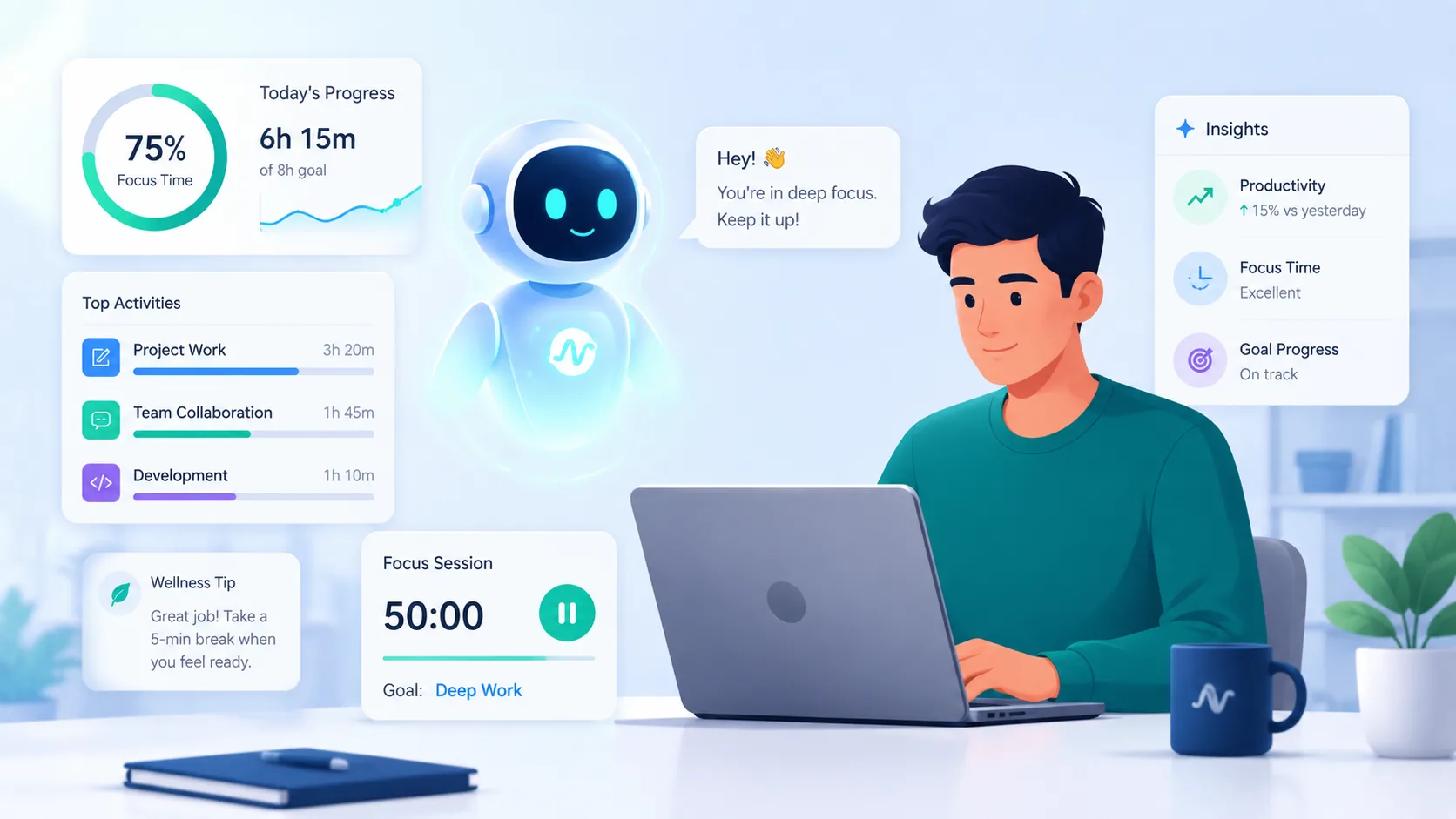
10. Onboarding and early productivity Once someone's hired, how fast do they actually get up to speed? Some teams pair this with lightweight employee monitoring software to get an honest read on how new hires are ramping, not to police them, but to spot early where onboarding materials or manager check-ins are falling short. Used well, that data feeds straight back into recruiting: if new hires from a certain source or interview process consistently ramp faster, that's worth knowing.
None of these metrics matter in isolation. Time to hire without quality of hire just tells you how to hire badly, faster. The teams that get real value out of tracking this stuff pick a few numbers, look at them monthly, and actually change something when the trend moves — whether that's rewriting a job post, cutting a low-performing sourcing channel, or rethinking onboarding with a bit of help from employee monitoring software to see what's really happening in someone's first few weeks.
Start with three metrics. Get comfortable acting on them. Add more once you trust what you're seeing.