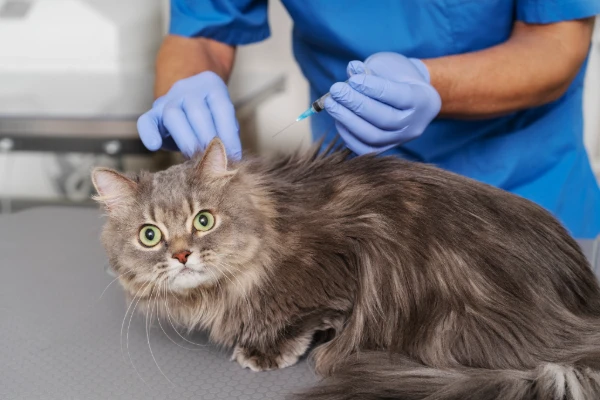
When kept as a pet, cats become an integral part of the family. Their quiet companionship, playful nature, and endearing independence make them some of the most cherished companions in our lives. But as any cat parent knows, feline health can be delicate, and finding the right feline hospital can make all the difference in ensuring a cat’s well-being. Choosing a veterinarian or hospital that specializes in feline care isn’t just about convenience; it’s about trust, expertise, and compassion. Unlike dogs, cats have unique physiological and behavioral needs that require specialized handling, diagnostics, and treatment. Whether your cat is due for a routine check-up, vaccination, or emergency surgery, the quality of the hospital you choose determines how safely and comfortably your cat is treated. Here’s a detailed look at the factors you should never ignore when looking for a hospital for your furry one.
1. Specialized Expertise in Feline Medicine
The first thing to look for is whether the hospital specializes in feline-specific veterinary care. Cats aren’t just small dogs, their anatomy, metabolism, and emotional responses are entirely different. A feline animal hospital with veterinarians who are trained or certified in feline medicine ensures that your cat receives care tailored to its species.
Feline specialists are skilled at recognizing subtle signs of illness that a general vet might overlook. For example, cats often mask pain or distress, so a vet trained in feline behavior will know how to spot early symptoms of conditions like kidney disease, thyroid issues, or diabetes.
Ask whether the hospital employs board-certified feline practitioners or veterinarians affiliated with reputed organizations. This ensures your pet’s care meets the highest medical and ethical standards.
2. A Cat-Friendly Environment
Cats are sensitive creatures. Loud noises, strong smells, or unfamiliar surroundings can easily trigger anxiety. That’s why the best hospitals are designed with a calm, cat-friendly atmosphere in mind. Look for clinics that have:
· Separate waiting areas for cats and dogs, minimizing stress from barking or crowding.
· Soft lighting and quiet exam rooms to keep cats relaxed.
· Gentle handling techniques, with staff trained in feline-friendly restraint methods.
· Pheromone diffusers, which help reduce feline anxiety during visits.
Some hospitals even hold Cat Friendly Practice certification, a designation that confirms their commitment to creating a low-stress environment for feline patients.
When visiting a hospital for the first time, observe how the staff interacts with your cat. A gentle tone, slow movements, and patience are good indicators of a team that truly understands cats.
3. Comprehensive Range of Services
A reliable hospital should offer a wide range of medical, surgical, and diagnostic services under one roof. This ensures continuity of care and convenience for pet owners. Key services to look for include:
· Preventive Care: Vaccinations, parasite prevention, nutrition counseling, and annual wellness exams.
· Diagnostics: In-house lab testing, ultrasound, X-rays, and advanced imaging for accurate and quick results.
· Dental Care: Professional cleanings, extractions, and dental disease prevention — crucial since dental issues are common in cats.
· Surgical Services: Spaying/neutering, soft tissue surgery, and orthopedic procedures, performed with feline-safe anesthesia protocols.
· Senior Cat Care: Geriatric screening, pain management, and chronic disease monitoring.
· Emergency and Critical Care: 24-hour or after-hours services for sudden illnesses or injuries.
The best hospitals combine cutting-edge technology with personalized care, ensuring every medical need, from kittenhood to senior years is met with precision and empathy.
4. Experienced and Compassionate Staff
A hospital’s reputation depends as much on its people as on its facilities. From veterinarians to technicians and front-desk staff, everyone should demonstrate compassion, patience, and
professionalism.
Cats require gentle handling and a calm approach. The right team will take time to make your cat feel comfortable before performing examinations or procedures. They’ll also communicate clearly with you, explaining diagnoses, treatment options, and home-care instructions.
A strong indicator of a quality feline hospital is how the staff interacts with both you and your cat. Do they listen carefully to your concerns? Do they follow up after visits? Compassionate, transparent communication is a sign of genuine care and commitment.
5. Cleanliness and Safety Standards
Cleanliness in a feline animal hospital isn’t just about appearances, it’s a matter of safety. Cats are highly susceptible to infections, and a poorly maintained facility can pose serious health risks. When visiting a hospital, check for:
· Clean, odor-free exam rooms and kennels.
· Proper disinfection protocols between patients.
· Modern, well-maintained equipment.
· Safe storage and handling of medications and supplies.
Hospitals that prioritize sanitation demonstrate a commitment to both hygiene and professionalism. Ask how they prevent cross-contamination and maintain sterile surgical environments, these details matter more than you might think.
6. Emergency and After-Hours Care
Emergencies don’t wait for business hours. A good hospital should offer 24/7 emergency care or be affiliated with an emergency facility nearby.
Cats can suffer from sudden health crises, such as urinary blockages, toxin ingestion, or breathing difficulties, that require immediate attention. Having a reliable hospital that provides round-the-clock care ensures that you’re never left helpless during critical moments.
Even if the hospital doesn’t operate 24 hours, check if they have a clear emergency protocol or partnerships with after-hours clinics for continuity of care.
7. Transparent Pricing and Clear Communication
Veterinary care can be expensive, but transparency helps build trust. A reputable hospital will provide clear cost estimates before performing procedures and explain what each service entails.
Ask about wellness plans, preventive care packages, or pet insurance acceptance. These options can make long-term feline healthcare more affordable.
Good communication also extends to follow-up calls, lab results, and progress updates. You should always feel informed and empowered in making decisions about your cat’s health.
8. Positive Reputation and Client Reviews
In today’s digital age, researching reviews and testimonials can give you valuable insight into a hospital’s reliability.
Look for consistent feedback on:
· Quality of medical care.
· Friendliness and professionalism of staff.
· Cleanliness and comfort of the facility.
· Responsiveness during emergencies.
However, don’t just rely on online reviews, ask for recommendations from local cat owners, rescue groups, or shelters. Word of mouth remains one of the most trustworthy ways to find the best feline animal hospital in your area.
9. Focus on Preventive and Holistic Care
Prevention is better than cure, and the best hospitals emphasize preventive healthcare through regular checkups, nutritional advice, and behavioral guidance.
Holistic or integrative approaches that combine traditional medicine with alternative therapies (such as acupuncture or nutritional counseling) can also be beneficial for cats with chronic conditions.
A hospital that focuses on proactive wellness, not just reactive treatment, shows a commitment to keeping your cat healthy for years to come.
10. Compassion Beyond the Clinic
Finally, the best hospitals extend their compassion beyond their walls. They often participate in community outreach, rescue support, or feline welfare programs, helping educate pet owners and improve feline health standards locally.
Hospitals that give back to the community demonstrate that their mission goes beyond profit, it’s about improving the lives of cats and the people who love them.
Final Thoughts
Choosing the right feline animal hospital isn’t just a practical decision, it’s an emotional one. Your cat depends on you to make the best healthcare choices, and that starts with finding a hospital that combines medical excellence with heartfelt compassion.
By considering factors like feline specialization, staff expertise, emergency availability, cleanliness, and transparent communication, you’ll ensure your cat receives the highest standard of care in a stress-free environment.
In the end, the best hospital is one that treats every cat not just as a patient, but as a beloved family member. Because when your cat feels safe, cared for, and understood, healing naturally follows.