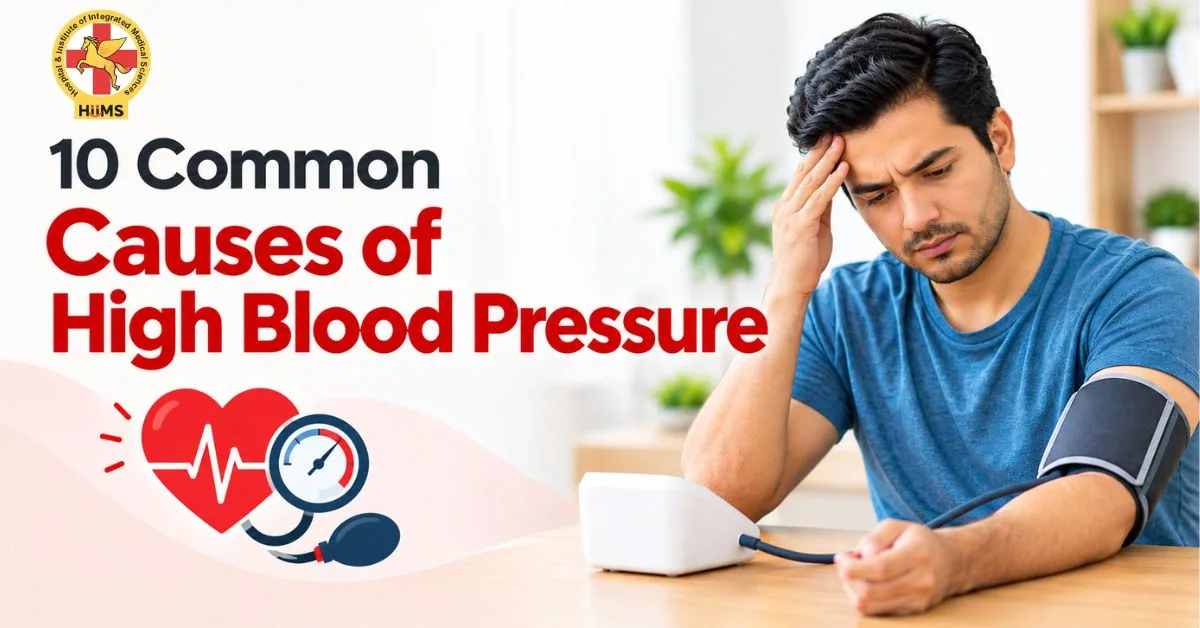
High blood pressure is a common health problem that can affect people of different ages. It develops when blood pushes against the walls of the arteries with more force than normal. Over time, high blood pressure can affect the heart, kidneys, brain, and other parts of the body.
One of the biggest concerns is that high blood pressure often develops without clear symptoms. Many people do not realise their blood pressure is high until they get it checked.
Understanding the causes of high blood pressure can help you make better choices about your food, daily habits, physical activity, and overall health. Some causes, such as age and family history, cannot be changed, while others can be managed through healthy lifestyle changes and medical guidance.
In this blog, we will discuss 10 common causes, habits that may increase your risk, and ways to help manage your blood pressure.
What Causes High Blood Pressure?
Blood pressure is the force of blood moving through your arteries. It is recorded using two numbers. The first number measures pressure when the heart beats, while the second measures pressure when the heart rests between beats.
High blood pressure can develop due to a combination of genetic factors, lifestyle habits, ageing, and certain health conditions. In many people, there is no single identifiable cause. Instead, several factors may contribute to the problem over time.
Let's look at the 10 common causes of high blood pressure.
1. Eating Too Much Salt
Eating too much salt is one of the most common causes of high blood pressure. Salt contains sodium, which helps the body maintain its fluid balance. However, consuming too much sodium can cause the body to hold extra water, increasing the pressure inside the blood vessels.
Packaged snacks, instant noodles, pickles, papad, sauces, and processed foods can contain high amounts of salt. Even if you do not add much salt while cooking, these foods may increase your daily intake.
What can help?
- Reduce the amount of salt added to meals.
- Check food labels before buying packaged products.
- Eat more fresh fruits and vegetables.
- Choose home-cooked meals more often.
The World Health Organization recommends that adults consume less than 2,000 mg of sodium per day, equal to less than 5 grams of salt. This includes salt from all food sources.
2. Being Overweight
Excess body weight can make the heart work harder to supply blood to the body. It can also affect the way the kidneys manage salt and water, which may contribute to higher blood pressure.
People who carry extra weight around their waist may have a greater risk of developing high blood pressure, particularly when weight gain occurs alongside poor eating habits and limited physical activity.
What can help?
Aim for a healthy weight through balanced meals, regular movement, and sustainable daily habits. Even a modest reduction in excess weight can help improve blood pressure in some people.
Avoid crash diets or extreme weight-loss plans. Gradual changes are usually easier to maintain over time.
3. Lack of Physical Activity
Spending most of the day sitting at a desk, watching television, or using a phone can affect heart health. Regular physical activity helps the heart pump blood more efficiently and supports healthy blood vessels.
When someone remains inactive for long periods, they may also be more likely to gain weight, which can further increase the risk of high blood pressure.
What can help?
- Walk regularly during the day.
- Take short movement breaks if you sit for long hours.
- Try cycling, swimming, or other activities you enjoy.
- Follow an exercise routine suitable for your age and health.
Adults are generally advised to aim for at least 150 minutes of moderate physical activity each week. If you have an existing health condition, ask a healthcare professional which activities are appropriate for you.
4. Long-Term Stress
Stress is another factor that can contribute to high blood pressure. When you experience stress, your body releases hormones that temporarily increase your heart rate and tighten your blood vessels.
This response is normal during a stressful situation. However, repeated stress may affect your health indirectly by disturbing sleep, encouraging unhealthy eating, or increasing alcohol and tobacco use.
Stress alone does not explain every case of long-term high blood pressure, but managing it can support overall health.
What can help?
- Practise slow, comfortable breathing.
- Spend time outdoors.
- Take regular breaks from work.
- Try meditation or gentle yoga.
- Maintain contact with friends and family.
If stress is affecting your sleep or daily life, consider speaking with a qualified healthcare professional.
5. Smoking and Tobacco Use
Smoking and tobacco use can harm blood vessels and increase the risk of heart disease. Nicotine can temporarily raise blood pressure and heart rate by narrowing blood vessels.
Repeated exposure to tobacco can also damage the lining of blood vessels and increase the risk of other cardiovascular problems.
Even if someone does not have high blood pressure, smoking can increase their overall risk of heart attack and stroke.
What can help?
The best step is to stop smoking and avoid other tobacco products. If quitting feels difficult, a healthcare professional can help you choose suitable support, including counselling and approved treatments.
Avoiding second-hand smoke is also important for protecting your health.
6. Drinking Too Much Alcohol
Regularly drinking too much alcohol can increase blood pressure. It may also contribute to weight gain, disturb sleep, and affect the heart and liver.
The risk can depend on how much and how often a person drinks. Alcohol may also interact with certain medicines used to manage blood pressure.
What can help?
If you drink alcohol, discuss your intake with a healthcare professional and consider reducing it or avoiding it. Do not start drinking alcohol for any supposed health benefit.
People who already have high blood pressure should follow their healthcare professional's advice on alcohol use.
7. Family History and Age
Sometimes, high blood pressure develops even in people who follow healthy habits. Family history and age can play an important role.
If your parents or close family members have high blood pressure, you may have a greater chance of developing it yourself. This may be related to inherited factors as well as eating habits and routines shared within a family.
Blood pressure also tends to rise with age because blood vessels can become less flexible over time.
What can help?
You cannot change your age or family history, but you can take steps to manage other risk factors.
- Check your blood pressure regularly.
- Eat a balanced diet with less salt.
- Stay physically active.
- Avoid smoking and tobacco.
- Attend routine health check-ups.
People with a family history of high blood pressure should not wait for symptoms before getting their blood pressure checked.
8. Poor Sleep and Sleep Disorders
Sleep gives the body time to rest and recover. Poor sleep over a long period can affect the body's normal processes for controlling blood pressure.
People who regularly sleep too little may have a higher risk of developing high blood pressure. A condition called sleep apnoea can also contribute to the problem. It causes breathing to stop and start repeatedly during sleep.
Loud snoring, waking up gasping for air, and feeling very sleepy during the day may be signs of sleep apnoea, although these symptoms can have other causes.
What can help?
- Try to sleep and wake up at consistent times.
- Aim for around seven to nine hours of sleep if you are an adult.
- Reduce caffeine late in the day.
- Keep your bedroom quiet and comfortable.
- Seek medical advice if you snore loudly or often wake up feeling tired.
Treating an underlying sleep disorder may help improve blood pressure management.
9. Kidney Problems
The kidneys help remove extra water and waste from the blood. They also play an important role in controlling blood pressure.
When the kidneys are not working properly, the body may retain too much salt and water. This can increase blood pressure. At the same time, high blood pressure can damage the small blood vessels in the kidneys, creating a cycle in which each condition makes the other worse.
Kidney problems do not always cause noticeable symptoms in the early stages.
What can help?
If you have high blood pressure, diabetes, or a known kidney problem, follow your healthcare professional's advice about regular testing.
Depending on your condition, your doctor may recommend blood tests, urine tests, and blood pressure checks. Take prescribed medicines as directed and avoid using painkillers or other medicines regularly without medical advice, as some can affect blood pressure or kidney function.
10. Certain Medicines and Other Health Conditions
Not all causes of high blood pressure are related to daily habits. Certain medical conditions and medicines can also raise blood pressure.
Conditions such as diabetes, thyroid disorders, and problems affecting hormone-producing glands may contribute to high blood pressure. Kidney artery problems and some other kidney conditions can also play a role.
Some medicines, including certain painkillers, steroid medicines, decongestants, and hormonal contraceptives, may raise blood pressure in some people.
What can help?
Tell your healthcare professional about all medicines, supplements, and herbal products you take. If your blood pressure rises after starting a new medicine, ask whether it could be contributing.
Do not stop a prescribed medicine on your own. Your healthcare professional can review your treatment and suggest a suitable alternative if needed.
How Can You Reduce the Risk of High Blood Pressure?
Although not every case can be prevented, healthy daily habits can reduce your risk and help manage existing high blood pressure.
Here are some practical steps to follow:
- Eat balanced meals: Include vegetables, fruits, whole grains, beans, and other nutritious foods.
- Reduce salt: Limit packaged snacks, processed foods, and salty condiments.
- Stay active: Walk regularly and choose physical activities you enjoy.
- Maintain a healthy weight: Focus on gradual, sustainable changes.
- Manage stress: Make time for relaxation, meditation, or gentle breathing exercises.
- Get enough sleep: Maintain a consistent sleep routine.
- Avoid tobacco: Smoking and other tobacco products increase cardiovascular risk.
- Monitor blood pressure: Check it regularly, especially if you have risk factors.
- Follow medical advice: Take prescribed medicines and attend recommended check-ups.
These steps can support blood pressure control, but they do not replace medical treatment when it is needed.
When Should You Get Your Blood Pressure Checked?
High blood pressure often has no clear symptoms. Headaches, dizziness, and tiredness can occur for many reasons, so you should not rely on how you feel to determine whether your blood pressure is high.
A blood pressure check is the most reliable way to identify the problem. If a reading is higher than usual, repeat it after sitting quietly for five minutes, using a properly fitted cuff and the correct technique. Follow your healthcare professional's advice about further checks.
If your reading is above 180/120 mmHg, wait at least one minute and measure it again. If it remains that high, contact a healthcare professional immediately. If you also have chest pain, difficulty breathing, weakness, numbness, changes in vision, or difficulty speaking, seek emergency medical care.
Conclusion
The causes of high blood pressure can include too much salt, excess weight, physical inactivity, stress, smoking, alcohol use, family history, ageing, poor sleep, kidney problems, and certain medicines or medical conditions.
Understanding these factors can help you make informed decisions about your health. Simple changes to your daily routine, regular blood pressure checks, and timely medical advice can make a meaningful difference.
At Jeena Sikho HiiMS, the approach to blood pressure care includes attention to diet, lifestyle, and individual health needs alongside appropriate medical evaluation. If your blood pressure readings are consistently high, consult a qualified healthcare professional to discuss the right care plan for you.
Frequently Asked Questions (FAQs)
1. What is the most common cause of high blood pressure?
There is often no single cause. In many adults, high blood pressure develops due to a combination of factors, including age, family history, excess salt intake, weight gain, and lifestyle habits.
2. Can stress cause high blood pressure?
Stress can temporarily raise blood pressure. Long-term stress may also contribute indirectly through poor sleep, unhealthy eating, and other habits. Persistent high blood pressure should be assessed by a healthcare professional.
3. Can young people develop high blood pressure?
Yes. Young adults can develop high blood pressure due to family history, excess weight, certain medical conditions, or lifestyle factors. Regular checks can help identify it early.
4. Does eating too much salt increase blood pressure?
Yes. Too much sodium can cause the body to retain water, which may raise blood pressure. Reducing salt and limiting high-sodium packaged foods can help.
5. Can high blood pressure be managed naturally?
Healthy eating, regular physical activity, weight management, good sleep, and stress management can help control blood pressure. Some people also need medication. Never stop prescribed blood pressure medicines without consulting your healthcare professional.
Medical disclaimer: This blog is for general educational purposes only and is not a substitute for professional medical advice, diagnosis, or treatment. Consult a qualified healthcare professional for personalised guidance on blood pressure management.