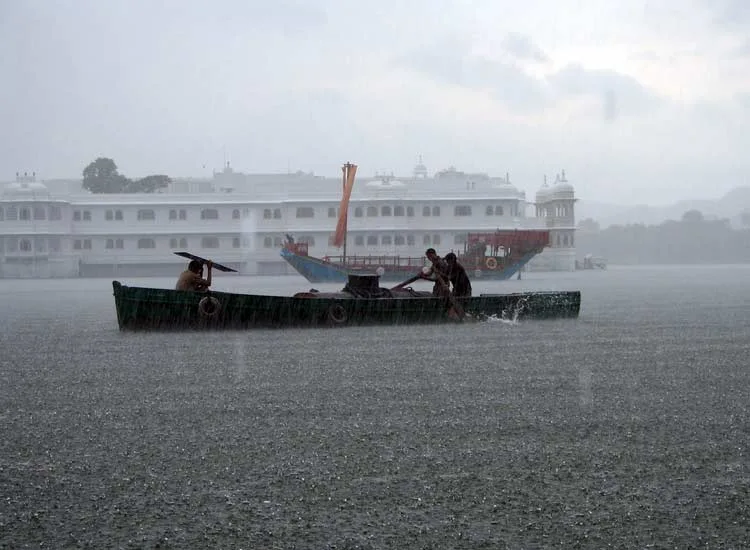
When most people think of Rajasthan, they picture shimmering sand dunes under a blazing sun. However, the arrival of the monsoon rains completely rewrites the script for this royal province. From July to September, the parched landscapes turn into a vibrant green oasis, lakes swell to their brims, and ancient hill forts wrap themselves in heavy blankets of mist. Exploring the heritage architecture during this season offers a comfortable climate, significantly fewer crowds, and a romantic atmosphere that feels straight out of an old painting.
Planning a trip during the rainy season gives you a chance to see the unexpected side of the desert state. Working with a seasoned travel agency in Rajasthan makes it seamless to navigate the seasonal routes and secure boutique heritage stays that offer stunning monsoon vistas. Here are the 10 absolute best destinations you should explore in Rajasthan when the clouds roll in.
1. Udaipur
Affectionately called the Venice of the East, Udaipur undergoes the most dramatic visual transformation in the entire state. The city’s core revolves around its interconnected lake systems, which fill up beautifully with the seasonal downpours. The surrounding Aravalli hills shed their dry browns for a brilliant emerald coat, framing the white marble palaces perfectly. Watching the rain clouds gather over the city from the rooftop of the Sajjangarh Monsoon Palace—perched high on Bansdara Peak—is a spellbinding sight. A quiet boat ride on Lake Pichola during a soft drizzle presents spectacular, moody reflections of the iconic City Palace that you simply cannot capture during the dry winter months.
2. Mount Abu
As the only true hill station in the state, Mount Abu elevates the rainy season experience into a misty alpine retreat. Situated on a high rocky plateau, the entire town becomes enveloped in low-flying clouds and thick fog, bringing temperature levels down drastically. Rejuvenated waterfalls cascade down the rocky cliffs, feeding Nakki Lake, where you can enjoy boating amidst lush, green surroundings. The ancient, white-marble Dilwara Jain Temples look incredibly pristine against the rain-washed forest backdrops, making it a peaceful haven for nature lovers and trekkers alike.
3. Kumbhalgarh
The massive Kumbhalgarh Fort is spectacular year-round, but it becomes something legendary in the rain. Renowned for having one of the longest continuous walls in the entire world, the fort cuts through the rolling Aravalli ridge, which gets completely blanketed in vibrant greenery. Standing on the ramparts of the Badal Mahal—the highest point of the structure—gives you a panoramic view of misty valleys and low clouds drifting through the stone watchtowers. The damp, cool mountain air makes the steep uphill walks highly comfortable, transforming a heavy historical tour into a refreshing trek.
4. Bundi
If you want to escape the usual tourist circuits, the quiet town of Bundi is a magnificent offbeat monsoon gem. Bundi is famous for its intricate architecture, featuring over fifty historic stepwells or baoris, which collect the rainwater and showcase brilliant reflections along their ancient stone carvings. The imposing Taragarh Fort sits dramatically above the town, covered in seasonal moss and wild greenery. The interior murals of the Bundi Palace look remarkably striking in the soft, overcast daylight, allowing you to appreciate the legendary Rajput artwork away from the usual crowds.
5. Jaipur
The state capital takes on a completely fresh, rejuvenated perspective when the rains arrive. The classic pink terracotta facades of the old city glow warmly against the dark, overcast skies, and the surrounding hills become wonderfully green. One of the top experiences during this season is heading up to Nahargarh Fort or Jaigarh Fort in the late afternoon. From these high vantage points, you can watch the rain showers roll across the city plains while enjoying local snacks. The iconic Jal Mahal, floating in the middle of Man Sagar Lake, looks particularly enchanting when the water levels rise and the monsoon breeze ripples across the surface.
6. Ranakpur
Tucked away in a quiet valley close to Sadri, Ranakpur is highly famous for its architectural marvels, primarily the 15th-century Chaumukha Jain Temple supported by 1,444 uniquely carved marble pillars. While the structure itself is breathtaking, the surrounding dense forests of the Aravalli range truly come alive during the wet season. The seasonal streams start flowing, the local wildlife thrives, and the temperature drops comfortably. It is the ultimate retreat for travelers who want to combine profound spiritual architecture with peaceful, rain-drenched nature walks.
7. Alwar
Located within easy driving distance from Delhi, Alwar serves as a fantastic weekend monsoon escape. The grand Bala Quila Fort, situated high on a rocky crag, offers sweeping views of the rain-washed city and the lush valley below. The primary highlight here is Siliserh Lake, a sprawling reservoir that fills up dramatically during the rainy season. Sitting by the lakeside heritage palace with a hot cup of tea while watching the rain beat down on the vast water surface is a deeply relaxing experience that showcases the natural wealth of the region.
8. Bharatpur
For wildlife enthusiasts, Bharatpur is an absolute necessity during the wet months. The famous Keoladeo National Park, a renowned UNESCO World Heritage site, transitions into a thriving wetland as fresh rainwater floods the marshes and savannahs. This seasonal change marks the beginning of the breeding season for native waterbirds. You can take a peaceful bicycle ride or a rickshaw tour through the park to spot storks, herons, ibises, and elegant painted storks building their nests, creating a lively cacophony that fills the wet forest air.
9. Chittorgarh
Chittorgarh Fort, the largest fort complex in India by surface area, tells a grand tale of royal grit that feels even more moving under gray skies. The massive fort plateau contains numerous historical reservoirs, stepwells, and palace ruins that catch the rainwater beautifully. Walking through the vast fields of the fort when the stones are wet and the grass is lush gives the entire monument a quiet, reflective atmosphere. The views from the Kirti Stambh and Vijay Stambh over the green plains below are exceptional during an overcast afternoon.
10. Banswara
Often called the City of a Hundred Islands, Banswara is located in the southernmost belt of the state and remains completely hidden from mainstream travel itineraries. When the heavy rains hit the region, the mighty Mahi River expands across the landscape, creating numerous small, verdant islands. The entire tribal belt transforms into a deep tropical landscape filled with rushing streams, small waterfalls, and dense green hillsides. Exploring spots like the Kagdi Pick-up Weir reveals a raw, untamed landscape that completely shatters the typical desert stereotypes of the region.
Tips for Planning Your Monsoon Journey
Taking a road trip through these historical terrains requires a bit of practical preparation. The road conditions can vary quite a bit after a heavy downpour, so having a reliable itinerary is crucial. Utilizing a custom Rajasthan holiday tour package ensures that your transportation is handled by experienced local drivers who know the hill routes perfectly. It also guarantees that you stay in well-maintained heritage hotels that offer optimal safety and comfort during the rainy months.
If you are planning to travel with an extended group of friends, colleagues, or family members, coordinating the logistics becomes even more important. Opting for specialized Rajasthan group tour packages allows you to secure private luxury coaches and group discounts at top-tier palace resorts. The off-season window means you get luxury accommodations at a fraction of the winter price, making it the perfect time to experience royal hospitality without the premium price tag. Pack sturdy, non-slip footwear, keep your camera gear protected, and get ready to experience the royal state at its greenest.