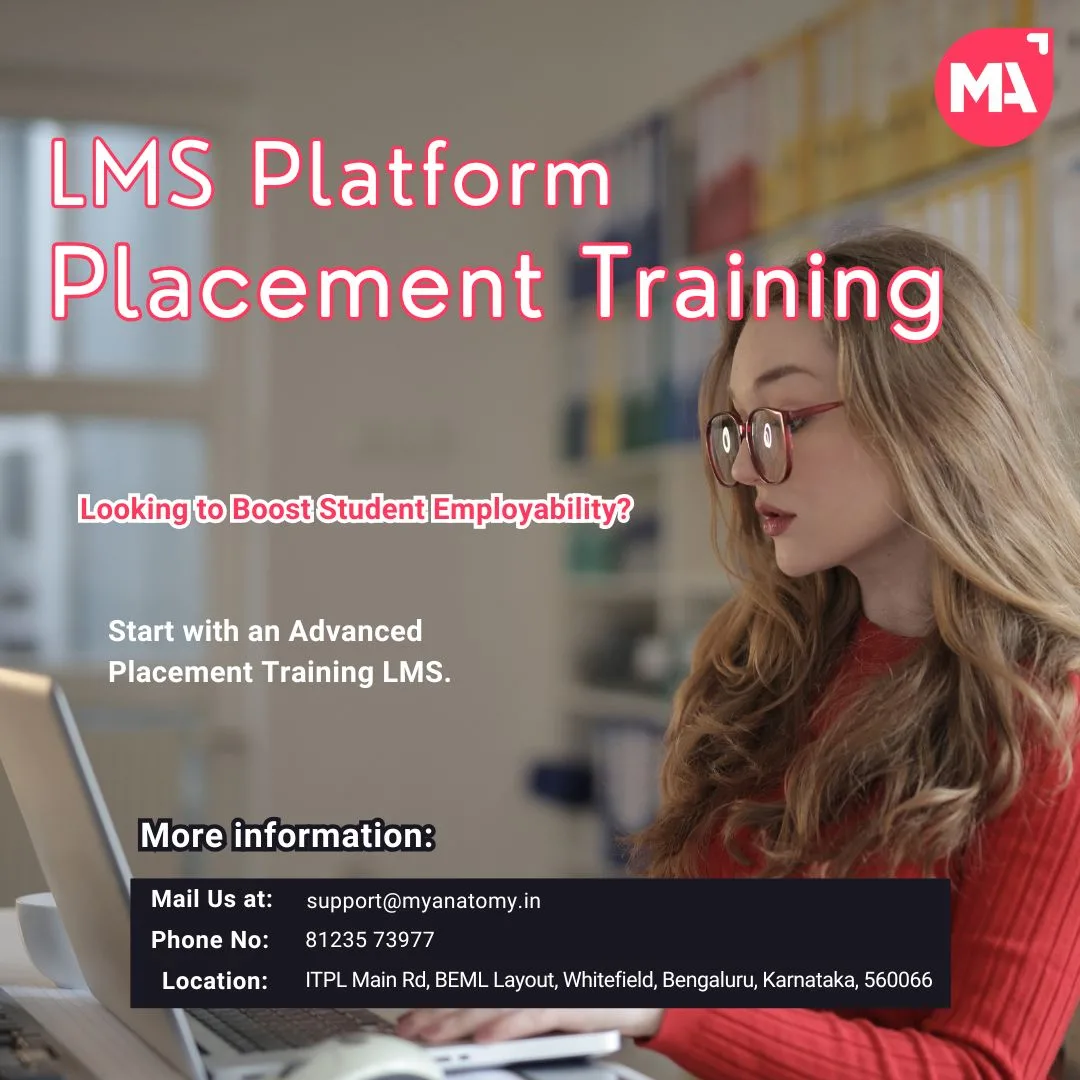
In today's highly competitive job market, colleges and universities must go beyond traditional classroom learning to ensure students are prepared for recruitment processes. Employers are increasingly looking for candidates who possess strong aptitude, technical expertise, communication skills, and workplace readiness. As a result, institutions are investing in a dedicated LMS platform for placement training to streamline student preparation and improve placement outcomes.
A modern placement training LMS serves as a centralized learning ecosystem where students can access courses, assessments, practice tests, interview preparation modules, and performance analytics. Whether it is an LMS for campus placement or a comprehensive employability solution, these platforms are transforming how colleges prepare students for careers.
Below are the top 10 benefits of using an LMS for placement training.
1. Centralized Learning for Placement Preparation
A dedicated campus placement training platform provides students with access to all placement-related resources in one place. Instead of managing multiple tools and offline materials, students can use a single e-learning platform for placement preparation to access aptitude training, coding practice, communication modules, and interview preparation content.
This centralized approach improves learning efficiency and ensures consistent training across departments.
2. Structured Learning Paths for Students
One of the major advantages of a placement training software for colleges is the ability to create customized learning paths. Students can progress through aptitude training, coding exercises, soft skills modules, and mock interviews in a structured sequence.
An effective online placement preparation course delivered through an LMS ensures students build competencies gradually while tracking their learning journey.
3. Improved Aptitude and Reasoning Skills
Most recruiters evaluate candidates through aptitude assessments before technical interviews. An aptitude training platform for students enables regular practice in quantitative aptitude, logical reasoning, data interpretation, and analytical thinking.
A verbal and reasoning training app integrated into the LMS helps students strengthen problem-solving abilities while preparing for company-specific recruitment tests.
4. Enhanced Employability Skills Development
Technical skills alone are not enough to secure employment. Employers increasingly assess communication, teamwork, adaptability, and professional behavior.
An employability skills training software enables colleges to deliver comprehensive training programs focused on workplace competencies. Through a dedicated soft skills training LMS, students can improve communication, presentation skills, leadership qualities, and interpersonal effectiveness.
These capabilities significantly contribute to job readiness and placement success.
5. Coding and Technical Assessment Support
For engineering and technology students, coding proficiency plays a vital role in campus recruitment. A modern coding assessment platform campus hiring helps students practice programming challenges, coding contests, and technical assessments.
Many institutions using an LMS for engineering colleges India integrate coding environments directly within the learning platform, allowing students to develop technical skills while preparing for placement opportunities.
6. Mock Interviews and Real-World Preparation
Interview performance often determines whether a student receives a job offer. A mock interview platform for students enables candidates to practice technical, HR, and behavioral interviews in a simulated environment.
An advanced AI-powered placement training tool can provide automated feedback on communication style, confidence, response quality, and interview performance. This helps students improve continuously before actual recruitment drives.
7. Real-Time Progress Tracking and Analytics
One of the most valuable features of an LMS is performance monitoring. A student training portal with progress tracking allows faculty, placement officers, and students to monitor learning outcomes in real time.
Detailed dashboards help identify skill gaps and learning bottlenecks. Colleges can use this information to deliver targeted interventions and improve overall placement readiness.
This makes the LMS an effective pre-placement training management system that supports data-driven decision-making.
8. Flexible and Scalable Learning Environment
A cloud-based placement training software provides anytime, anywhere access to learning resources. Students can learn from their laptops, tablets, or smartphones, making preparation more convenient and accessible.
As institutions increasingly adopt hybrid education models, a blended learning platform for job readiness combines classroom instruction with digital learning experiences. A SCORM-compliant LMS for placement training also enables seamless integration of third-party content and learning modules.
This flexibility ensures consistent learning experiences regardless of location or schedule.
9. Better Placement Management for Colleges
Placement teams require efficient tools to manage student training activities and recruitment preparation. A comprehensive college placement management software functions as a complete training and placement portal for colleges, helping institutions manage training schedules, attendance, assessments, and performance reports.
For Training and Placement Officers (TPOs), dedicated TPO training software and a placement officer management tool simplify administrative tasks while improving coordination among students, faculty, and recruiters.
This creates a more organized placement ecosystem and reduces operational workload.
10. Higher Placement Rates and Improved Employability
Ultimately, the primary goal of any corporate readiness training platform is to improve placement outcomes. A comprehensive campus recruitment preparation tool helps students develop the skills employers expect while increasing confidence during recruitment processes.
Institutions seeking the best LMS for placement training in India often prioritize platforms that combine aptitude practice, coding assessments, soft skills development, interview preparation, analytics, and progress tracking.
For colleges wondering how to train students for campus placement online, the answer lies in adopting a scalable LMS that delivers personalized learning experiences. Even institutions searching for a free LMS for placement training often realize that advanced features such as AI analytics, skill gap identification, and employer-focused readiness programs provide significant long-term value.
A modern placement training app for engineering students serves as an effective online platform to improve placement percentage by ensuring students are continuously engaged in skill development activities aligned with industry requirements.

Conclusion
As recruitment processes become increasingly competitive, colleges must adopt technology-driven solutions to prepare students effectively. A robust LMS platform for placement training enables institutions to deliver structured learning, track progress, improve employability skills, and enhance placement outcomes.
Among the leading solutions available today, MyAnatomy LMS stands out as a comprehensive platform designed specifically for student employability and placement readiness. MyAnatomy provides colleges with advanced learning management capabilities, assessment tools, progress tracking, skill development programs, aptitude preparation, coding evaluations, interview readiness modules, and AI-powered learning insights.
With its integrated approach to placement preparation, MyAnatomy helps institutions build industry-ready graduates while supporting Training and Placement Officers in managing large-scale student development initiatives. For colleges seeking a modern, scalable, and results-driven LMS solution, MyAnatomy offers the tools needed to improve employability, strengthen workforce readiness, and achieve better campus placement outcomes.