If you buy products for a living, you already know the feeling. You are staring at a supplier list, a stack of samples, and a calendar that keeps getting tighter. Somewhere in the back of your mind, a question keeps nagging at you: would it be faster to just go see this stuff in person?
For a lot of American buyers, the answer is yes. And more often than not, the place they go is Hong Kong.
Hong Kong sits at a useful crossroads. It is close to the factories of southern China, it speaks the language of international business, and its airport connects to almost everywhere. That combination has made it one of the most practical places on earth to meet suppliers face to face. Below is a plain-English walkthrough of how the season works, what happens on the floor, and how to get real value out of a few days there.
Why Hong Kong Became a Sourcing Hub
Think about what a buyer actually needs. You need to see the product. You need to hold it, turn it over, and check the finish. You need to ask about minimum order quantities without waiting eight hours for a reply because of the time difference. And you need to compare a handful of suppliers side by side, not one email thread at a time.
A trade show solves all of that in one building.
Hong Kong is especially good at it because of geography. Many of the manufacturers who serve U.S. retailers, e-commerce sellers, and distributors are based a short trip away. When they exhibit in Hong Kong, they bring their newest samples, their engineers, and often their sales leadership. You are not talking to a middleman. You are frequently talking to the people who run the production line.
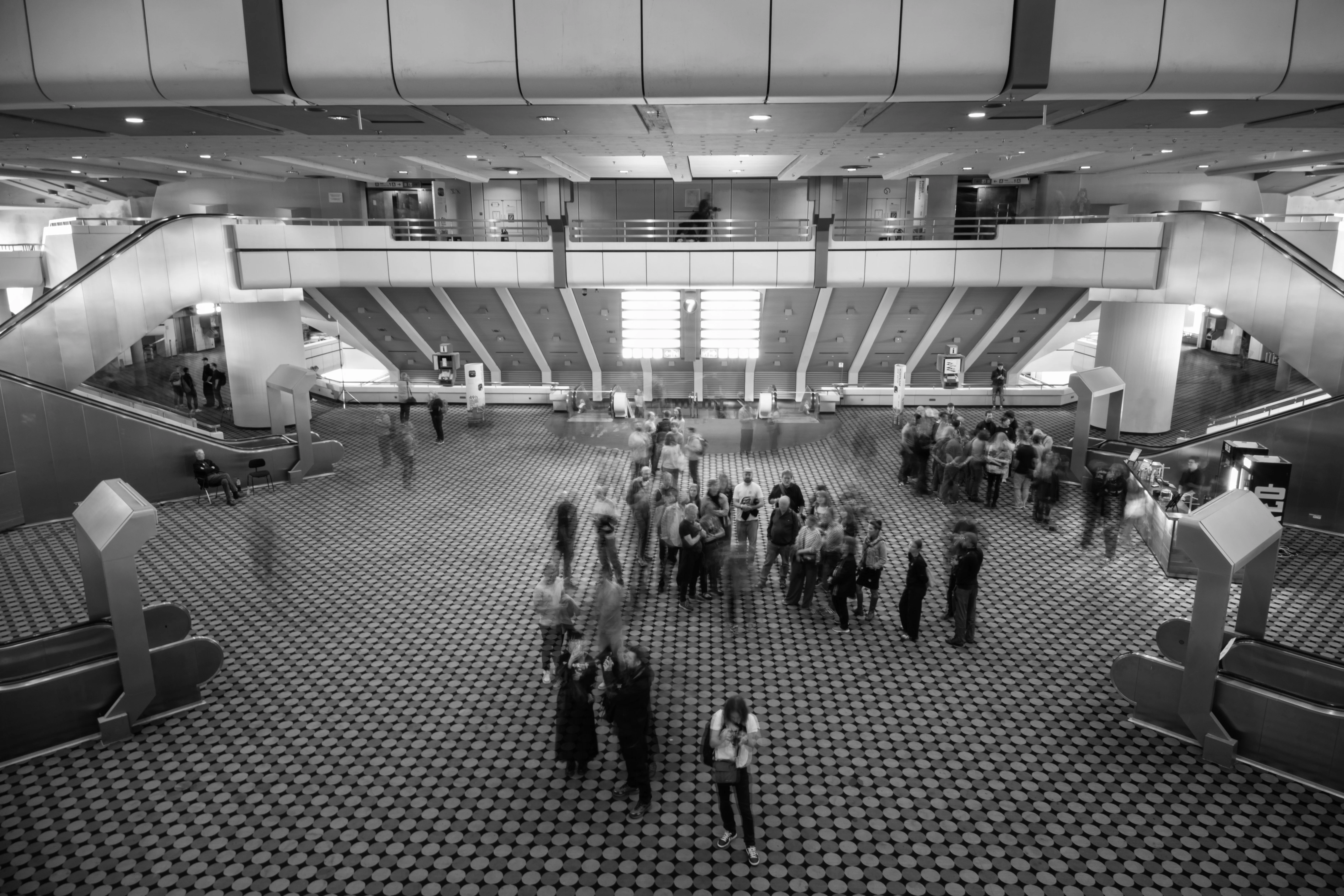
The city also makes travel simple. AsiaWorld-Expo, the main venue for the season, sits right next to Hong Kong International Airport. You can land, clear immigration, and be walking the floor the same morning. There is an Airport Express train and shuttle service, so getting between the venue, the airport, and downtown does not eat your day.
What Actually Happens at a Hong Kong Trade Show
Here is where a lot of first-timers get surprised. This is not one show. It is a season, split into phases, and each phase covers different product categories.
The October 2026 edition runs from October 11 to 21 at AsiaWorld-Expo, under the theme "Connecting Global Innovation, Enabling Sustainable Sourcing." Across the full run, more than 4,200 Asia-based suppliers are expected across over 8,000 booths, showing upwards of 330,000 new products.
That number is worth sitting with for a second. Three hundred thirty thousand products. You are not going to see all of them, and you should not try. The phases exist so you do not have to.
Phase One: Consumer Electronics and Gaming
The first stretch, October 11 to 14, focuses on consumer electronics and gaming. It brings together more than 2,100 exhibitors across 4,000-plus booths.
This is the phase for audio, video, computer accessories, esports gear, and power and charging products. If your business sells anything with a plug, a battery, or a screen, this is your window.
Phase Two: Mobile, Smart Home, Lifestyle, and Outdoor
The second stretch, October 18 to 21, covers mobile electronics, smart home, security and appliances, lifestyle electronics, and sports and outdoor. It also runs more than 2,100 suppliers across over 4,000 booths.
Phase two is where the category range really opens up. Phone accessories sit near connected door locks, which sit near camping gear and kitchen products. For a buyer building out several categories at once, that density is the whole point.
One feature getting a lot of attention this year is the AI+ Theme Zone, which spans more than 1,200 booths across seven segments: AI terminal devices, wearables, glasses, toys, pet products, personal health devices, and AI-integrated products. The focus there leans practical. The question on the floor is less "what is possible" and more "what can actually ship."
Who Should Make the Trip
You do not need to be a giant retailer for this to make sense. A few types of buyers get outsized value.
Independent retailers and specialty shops often go to find products their competitors do not carry. Walking a floor with thousands of booths is a fast way to spot something genuinely new.
E-commerce sellers go to shorten the gap between finding a product and listing it. Meeting a supplier in person tends to move a conversation along much faster than a marketplace inquiry.
Distributors and wholesalers go to expand a line. If you already carry three categories and want a fourth, meeting a dozen qualified suppliers in one afternoon is hard to beat.
Product developers go to find a manufacturing partner. Bringing a sketch or a prototype to a booth and asking whether it can be built is a conversation that works far better in person.
Planning Your Trip From the U.S.
Here is the part people underestimate. The show itself is the easy bit. The preparation is what separates a great trip from an exhausting one.
Book Early and Register Ahead
Hotel rooms in Hong Kong get tight during show weeks, and this year interest is running high. Global Sources reported that professional buyer pre-registration was tracking 25 percent above the same point last year, with especially strong growth from North America and Europe. That is a good reason to lock in flights and rooms sooner rather than later.
Registering in advance also saves you from standing in a line on day one. You can review exhibitor listings and product categories on the Hong Kong trade show event pages before you go, which lets you build a shortlist instead of wandering.
Give Yourself a Buffer Day
Fly in a day early if you can. Jet lag from the U.S. is real, and the first day of a show is usually the most productive one because everyone is fresh and samples are still fully stocked. Showing up sharp matters more than saving one hotel night.
Pack Like a Buyer, Not a Tourist
Bring more business cards than you think you need. Bring a portable charger, because you will be taking photos and notes all day. Wear shoes you would be comfortable walking several miles in, because that is roughly what a full day on an exhibition floor adds up to. And bring a lightweight bag for catalogs and samples.
How to Work the Floor
The buyers who get the most out of these shows tend to follow a similar rhythm.
Start with a target list, then leave room to wander. Identify twenty or thirty booths you want to hit based on the exhibitor directory. Block your mornings for those. Leave your afternoons loose so you can follow interesting leads.
Ask the same questions at every booth. Minimum order quantity, lead time, whether they handle certification for the U.S. market, whether they do private label, and what their capacity looks like. Consistent questions make comparison much easier later.
Take a photo of the booth number with every sample. By day three, every case and cable starts looking the same. A photo with the booth number in frame saves you hours.
Write down your gut reaction. Not just the specs. Note whether the supplier answered clearly, whether they seemed prepared, and whether they asked good questions back. Those impressions fade fast and they matter.
Use the Theme Zones as Shortcuts
Curated areas exist to save you time. Beyond the AI zone, the October edition includes a Best of Innovation Awards winners showcase and a Future-Tech Discovery Zone, which give you a fast read on what the market is pushing this cycle. There is also a first-of-its-kind circular economy pavilion focused on certified refurbished devices and supporting services.
Even if you do not buy from those zones, walking them gives you a sense of direction. You can then hunt the wider floor with a much better idea of what you are looking for.
What to Do After You Get Home
The trip does not end at the airport. The follow-up window is short, and suppliers are fielding hundreds of conversations at once.
Send your follow-up emails within a week, ideally within three days. Reference the booth number and the specific product so the supplier knows exactly who you are. Ask for a formal quotation with lead times and payment terms in writing.
Then order samples. Real ones, shipped to you, before you commit to a purchase order. A sample on the floor tells you what the supplier is capable of. A sample shipped from the production line tells you what you will actually receive.
Finally, keep your notes organized. If you plan to return for the next Hong Kong exhibition cycle, your notes from this trip become your head start.
Wrapping Up
Hong Kong's trade show season works because it compresses months of sourcing into a handful of days. The October 2026 run at AsiaWorld-Expo spans October 11 to 21, split into two phases so buyers can target the categories that matter to them without wading through the rest. Between the phased structure, the airport-adjacent venue, and thousands of suppliers under one roof, it is one of the most efficient sourcing trips a U.S. buyer can make.
Go in with a plan, ask consistent questions, follow up quickly, and the trip pays for itself.