
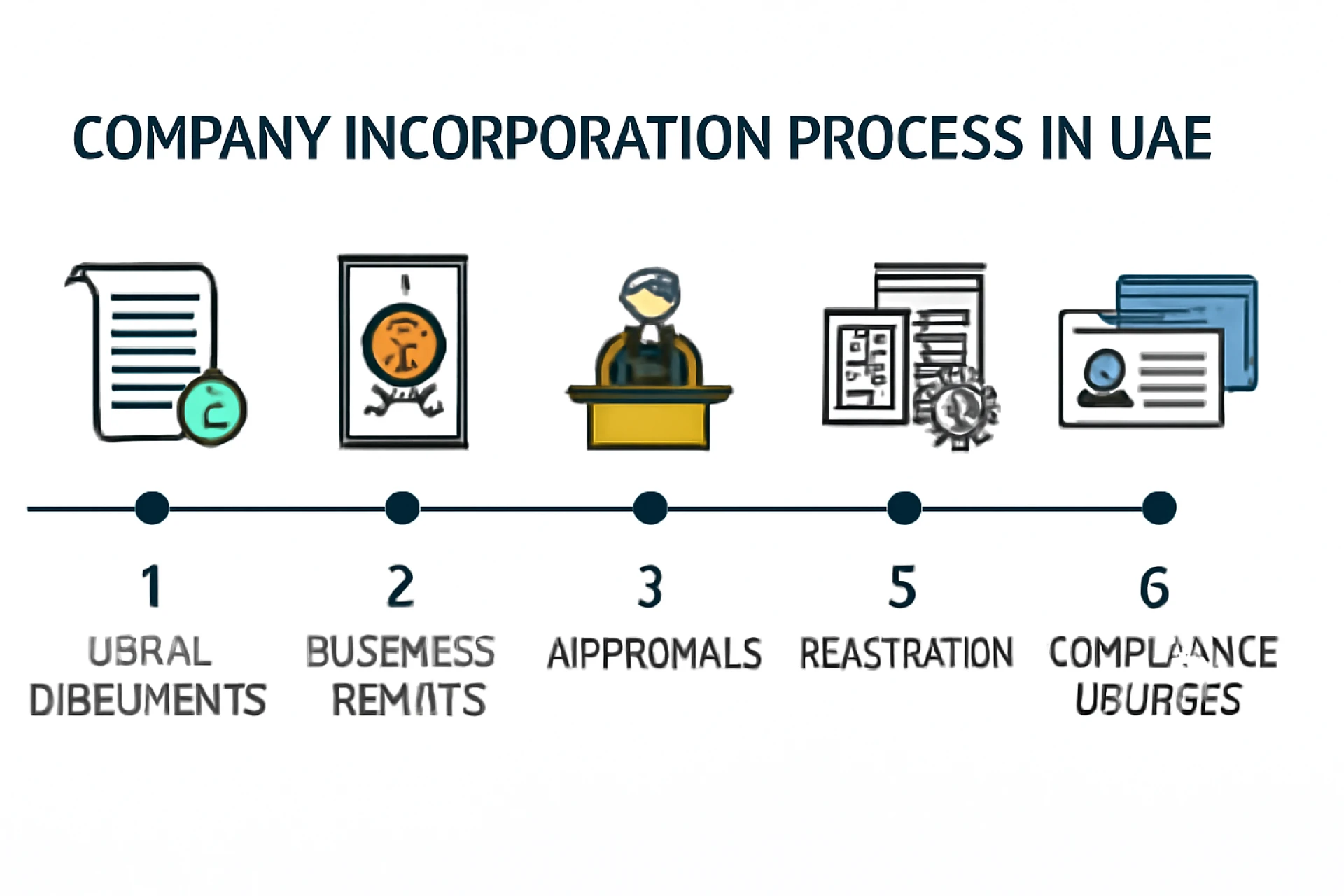
The United Arab Emirates has established itself as a leading destination for global investors, entrepreneurs, and multinational corporations. With its strategic location, world-class infrastructure, and supportive government policies, it offers fertile ground for businesses across industries. However, company formation in UAE requires careful planning, legal compliance, and a clear understanding of available business structures.
Why the UAE Is a Business Magnet
The UAE’s position as a bridge between East and West makes it an attractive market for international expansion. With stable governance, advanced logistics, and growing opportunities in sectors like technology, finance, and healthcare, it provides a strong ecosystem for enterprises of all sizes. Free zones, in particular, offer compelling incentives such as 100% foreign ownership, tax exemptions, and simplified registration processes.
Steps for Setting Up a Business
The process of setting up a company in UAE can vary depending on whether an investor chooses mainland, free zone, or offshore structures. Each option has unique advantages and requirements.
Mainland Companies allow full access to the UAE market and the ability to work with government entities.
Free Zone Companies provide 100% ownership, quick incorporation, and sector-specific advantages.
Offshore Entities are ideal for international operations, holding assets, or managing global investments.
A legal advisor can help assess which structure aligns best with your industry, target clients, and long-term objectives.
Choosing the Right Structure
One of the biggest challenges investors face is selecting the most appropriate jurisdiction and license type. Whether you want to setup a company in UAE for trading, manufacturing, consulting, or technology, the legal requirements and compliance obligations differ. Choosing the wrong structure may limit your ability to grow or create unnecessary costs.
Professional consultants help clarify requirements, draft incorporation documents, and manage approvals from government authorities. They ensure that your business not only meets legal standards but also positions itself strategically for expansion.
The Importance of Legal Compliance
While the UAE offers a welcoming business environment, compliance with labor laws, taxation, and licensing rules is critical. Missing deadlines for renewals or failing to meet reporting obligations can lead to penalties or operational disruptions. Reliable legal support guarantees that businesses stay compliant, minimizing risks and protecting long-term interests.
Company Incorporation in UAE: A Strategic Move
Completing company incorporation in UAE is not just about paperwork—it is about creating a strong foundation for sustainable growth. From drafting shareholder agreements to securing visas and opening bank accounts, every detail matters. With expert guidance, the incorporation process becomes smooth, transparent, and efficient, allowing investors to focus on business development.
Building Long-Term Success
The UAE’s dynamic economy and investor-friendly environment continue to attract entrepreneurs from across the globe. By leveraging professional setup services, investors can confidently establish their businesses while avoiding costly mistakes. Whether launching a startup or expanding an established enterprise, the UAE offers unparalleled opportunities for growth.
Conclusion
Starting a business in the UAE is both exciting and rewarding, but it requires the right expertise to navigate the journey successfully. By choosing experienced advisors, investors gain not just compliance but also strategic direction for long-term prosperity. For trusted legal and business setup services tailored to your needs, partner with RONIN LEGAL.
Reach Out To Us
Dubai : +971 505 929404
India : +91 99307 05852
Frequently Asked Questions
Q1. What is the difference between mainland and free zone companies in the UAE?
Mainland companies allow trade across the UAE market, while free zones offer 100% ownership but limit business to specific jurisdictions unless additional approvals are obtained.
Q2. How long does it take to incorporate a company in the UAE?
The process usually takes between 5–10 working days, depending on the business activity and jurisdiction selected.
Q3. Do I need a local partner for company formation?
Free zone entities allow full foreign ownership, while some mainland activities may require a local partner or agent.
Q4. Can legal experts assist with visas and banking?
Yes. Professional advisors manage visa applications, labor approvals, and corporate bank account openings.
Q5. Is company incorporation in UAE expensive?
Costs vary depending on jurisdiction and business activity. Free zones often provide budget-friendly packages suitable for startups and SMEs.