What Are Oxygen Cylinders?
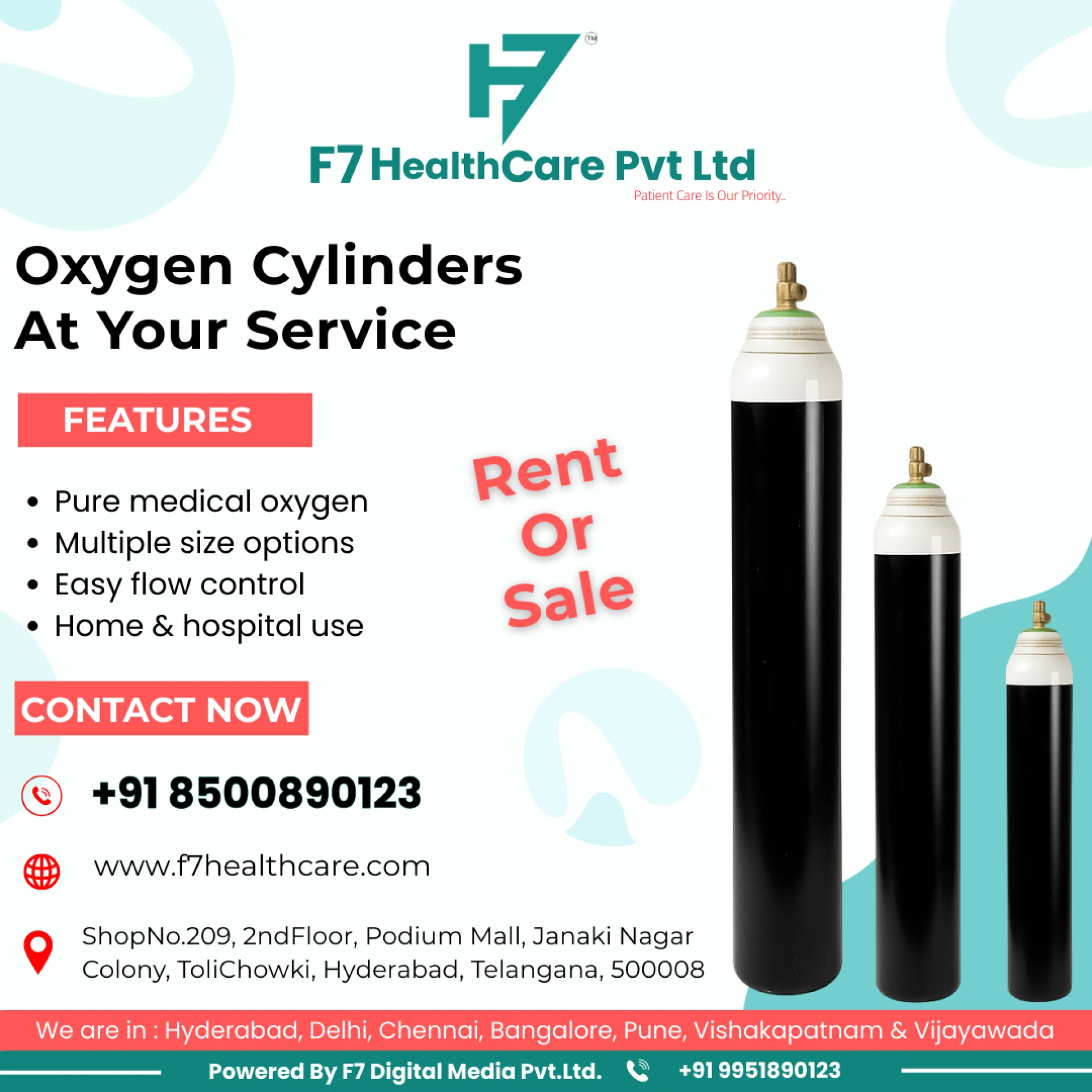
Oxygen cylinders are pressurized metal tanks designed to store medical-grade oxygen. They play a vital role in healthcare by delivering life-sustaining oxygen to patients with respiratory issues. Whether for emergency use, chronic illness management, or hospital settings, oxygen cylinders ensure that patients receive oxygen at a consistent pressure and flow rate.
1. Why Oxygen Cylinders Matter
- Instant Availability: Unlike oxygen concentrators that require power, cylinders provide immediate access-essential during emergencies or power outages.
- Reliable and Portable: Lightweight and mobile, oxygen cylinders are perfect for bedside use, travel, or outdoor activities.
- Versatile Applications:
- Treatment of chronic obstructive pulmonary disease (COPD), pneumonia, asthma, and other respiratory conditions.
- Emergency response in ambulances or disaster scenarios.
- Surgical support and ICU environments.
2. Types of Oxygen Cylinders
- High-Pressure (Gaseous) Cylinders
- Commonly used in hospitals, ambulances, and home care.
- Pressure typically ranges from 150 to 200 bars.
- Available in sizes such as "D", "E", "M‑6", "H", and "K".
- Liquid Oxygen Cylinders
- Store oxygen in cryogenic liquid form at extremely low temperatures (−183 °C).
- Provide high-volume oxygen in a compact vessel.
- Ideal for patients needing large amounts of oxygen with frequent use.
- Portable Oxygen Cylinders (Travel Size)
- Compact versions (e.g., D or E size) weighing less than 10 kg.
- Designed for external use, they pair with regulators and masks/nasal cannulas.
3. Key Components & How It Works
- Cylinder Body: Made of steel or high-strength aluminum to bear high pressure.
- Valve Assembly: Bronze or brass valve regulates and shuts off flow.
- Pressure Regulator: Reduces pressure for safe delivery to patients.
- Flow Meter and Humidifier (optional): Controls flow rate (e.g., 1–15 L/min) and adds moisture for comfort.
- Delivery System:
- Nasal Cannula: Lightweight tubing with prongs for low-flow supplemental oxygen.
- Oxygen Mask: Covers the mouth and nose—used for higher flow.
- Venturi Masks: Precise FiO₂ delivery using air entrainment, common in moderate flow therapy.
4. Safety First: Handling & Storage Guidelines
- Secure Placement
- Always mount or secure cylinders with straps or stands to prevent tipping.
- Proper Valve Use
- Open slowly and fully to prevent “hammering” (valve damage from abrupt opening).
- Use dedicated wrenches, and never use oil or grease near the oxygen valve—it's a fire risk.
- Ventilation
- Store in well-ventilated, cool, dry areas away from heat sources and direct sunlight.
- No Smoking & Fire Safety
- Never smoke or use flame near cylinders. Oxygen accelerates combustion even inside walls.
- Keep fire extinguishers nearby.
- Inspection & Maintenance
- Inspect valves, regulators, hoses, and seals regularly for wear or damage.
- Follow inspection timelines (every 5–10 years) for hydrostatic testing as per local safety codes.
5. How to Choose the Right Oxygen Cylinder
- Flow Requirements:
- Low-flow therapy: 1–6 L/min → D or E cylinder may be sufficient.
- High-flow therapy: >10 L/min → Requires larger cylinders or liquid oxygen.
- Mobility Needs:
- For frequent travel, choose lightweight portable cylinders with comfortable carriers.
- Environment:
- For prolonged outdoor or remote use, pressurized gas cylinders are dependable without electricity.
6. Cylinder Filling, Exchange & Refilling
- Professional Refilling:
- Only certified specialists should refill cylinders using medical-grade oxygen.
- Exchange Programs:
- Many service providers offer easy swap options—empty cylinders are exchanged for full ones at patients' homes.
- Refilling Costs:
- Consider cost per cubic meter of oxygen plus delivery charges—not just cylinder purchase price.
7. Maintenance & Care Tips
- Clean Regularly:
- Wipe the cylinder exterior and delivery accessories with mild disinfectants regularly.
- Check Seals and Hoses:
- Replace damaged or aged parts to prevent leaks and contamination.
- Monitor Pressure:
- Watch the gauge; get a refill before it drops below 300 psi to avoid running out unexpectedly.
- Emergency Preparedness:
- Keep a backup cylinder at home, especially for patients with severe chronic conditions.
8. Why Choose F7 Healthcare for Oxygen Cylinders
- Certified Equipment: Only the highest-grade cylinders from trusted manufacturers.
- Prompt Delivery & Exchange: Scheduled deliveries keep you stocked and worry-free.
- Expert Support: Knowledgeable staff guide you in selecting the right cylinder and flow system.
- Comprehensive Maintenance: Regular safety inspections, hydrostatic testing, and part replacements.
- Transparent Pricing: Fair rates for equipment and refill/exchange services, no hidden fees.