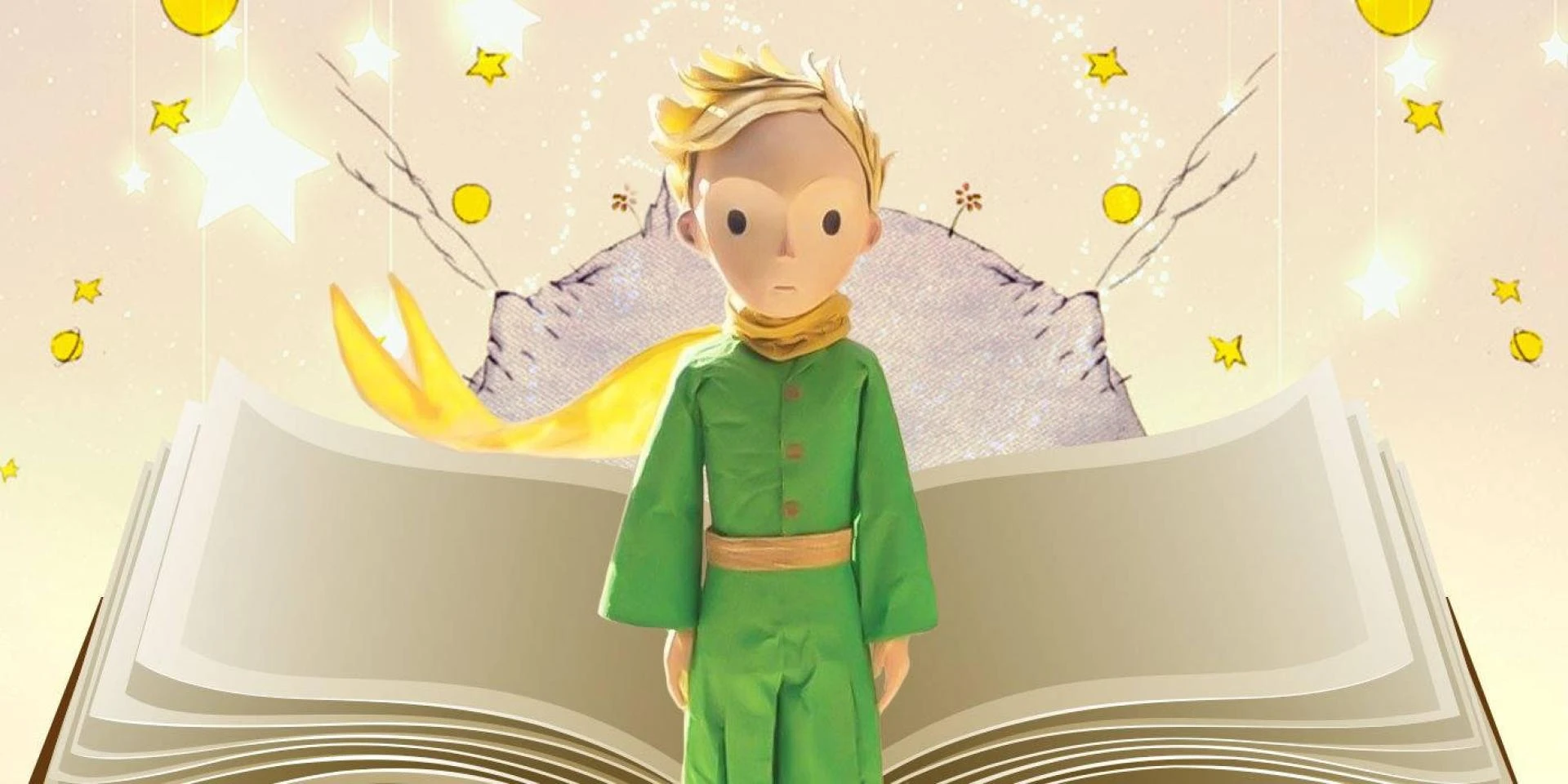
The Journey of a Young Prince: More Than a Royal Life
The term “Young Prince Life” evokes images of regality, promise, and untapped greatness. But beyond the crown and ceremonial rites lies a deeper narrative—one that speaks to the universal journey of self-discovery, leadership, responsibility, and destiny. Whether inspired by history, literature, or modern storytelling, the life of a young prince resonates across cultures because it mirrors our own inner calling to grow, evolve, and lead.
In this article, we explore the symbolic and thematic layers of a young prince’s life—from royal upbringing to self-mastery, and how this journey connects with readers today.
Royal Roots: Nurturing a Prince from Childhood
Every young prince’s journey begins with lineage, but it is not birthright alone that defines his destiny. The early years are filled with:
- Strict education in diplomacy, philosophy, history, and leadership
- Training in martial arts or self-defense, ensuring both strength and discipline
- Exposure to governance, often attending court with elders and learning the dynamics of power
- High expectations, both from within the royal family and from the kingdom
These formative experiences shape the mindset and values of the prince. While he is surrounded by privilege, he is also burdened with enormous responsibility.
Internal Conflict: Between Duty and Desire
A recurring theme in stories of young princes is the conflict between personal desire and royal duty. While the crown offers power, it often comes at a price:
- Sacrifice of personal freedom
- Pressure to conform to tradition
- Struggles with self-worth and imposter syndrome
- Fear of failing the legacy left behind
This emotional tension humanizes the prince and makes his journey relatable. He becomes not just a ruler-in-training but a young soul trying to understand his purpose in the world.
The Call to Adventure: Stepping Beyond the Palace Walls
True transformation for the young prince begins when he leaves the safety of the palace. This is where growth, humility, and courage are forged. Often spurred by tragedy, betrayal, or a longing to understand the world, the prince embarks on a quest that:
- Introduces him to common people and real-world struggles
- Tests his morals, intelligence, and bravery
- Forces him to confront betrayal, love, loss, and inner demons
- Awakens empathy, redefining what it means to lead
This journey is pivotal. It takes the prince from being a symbol of status to becoming a leader with wisdom and integrity.
Mentorship and Wisdom: The Guiding Lights
No young prince becomes a great ruler alone. Throughout his journey, he is often guided by mentors—figures such as:
- The wise old advisor or spiritual guide
- The brave general or war hero
- The outsider who teaches unconventional truths
- The mystic who reveals deeper layers of consciousness and destiny
These relationships are instrumental in helping the prince gain clarity, humility, and vision.
Trials and Transformation: The Making of a King
The heart of any prince’s life story lies in his trials—those dark moments where he faces:
- Exile and rejection
- Loss of a loved one
- A betrayal from within his circle
- A test of leadership or war
These crucibles strip away arrogance and awaken the noble heart. He emerges no longer a sheltered boy of privilege, but a man who understands the burden and blessing of his crown.
The Return: Leading with Wisdom and Compassion
Having passed through the fire, the young prince returns—not to rule with tyranny, but to serve with compassion. His rule is marked by:
- Justice and fairness
- Deep connection to his people
- Reformative action rather than hollow tradition
- A commitment to legacy and lineage
He becomes a beacon for what leadership should look like—wise, humble, courageous, and moral.
Modern Interpretations of the Young Prince Life
In today's culture, the young prince archetype has found resonance in:
- Literature (e.g., The Little Prince by Antoine de Saint-Exupéry)
- Films (e.g., Black Panther’s T’Challa, The Lion King’s Simba)
- Spiritual allegory (e.g., the prince who leaves the palace in Buddhist lore)
- Personal development (e.g., young men embracing their own path of self-leadership)
These interpretations remind us that the young prince is within each of us—a symbol of our potential to grow into wise, responsible, and compassionate individuals.
Symbolism of the Young Prince Life
The life of a young prince is rich in symbolism:
- The crown represents inherited responsibility
- The sword signifies courage and moral action
- The exile is the dark night of the soul
- The return marks the fulfillment of destiny
These symbols live in our personal stories, encouraging us to embrace maturity, authenticity, and purpose.
Conclusion: Becoming the King of Your Own Life
The young prince life is more than a royal tale—it is a timeless metaphor for personal growth. Each of us is called to leave behind the comfort of ignorance, embrace challenges, learn from mentors, and return to our community as wiser, more compassionate leaders.