Quick Summary: Yellow sandstone, and Lalitpur Yellow in particular, pairs a warm golden color with strength, which is why it turns up so often in flooring, wall cladding, and outdoor paving. This article gets into what gives the stone its performance, how it works differently in each of these three settings, and which finish you'd want depending on where it's going.
Table of Contents
- Introduction
- What Makes Yellow Sandstone Hold Up So Well?
- Using Yellow Sandstone for Flooring
- Using Yellow Sandstone for Walls and Cladding
- Using Yellow Sandstone for Outdoor Spaces
- Choosing the Right Finish for Your Project
- Maintenance Tips Worth Knowing
- Conclusion
Introduction
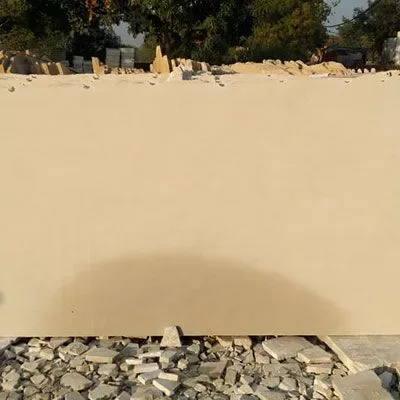
Yellow sandstone gets its color from iron oxide trapped inside the stone as it formed over millions of years, which is why you'll see everything from a pale buff shade to a deep, rich yellow depending on which quarry it came from. Among India's many sandstone varieties, Lalitpur Yellow, quarried in the Lalitpur district of Uttar Pradesh, has built a reputation as one of the better choices for construction and landscaping work, mostly because it backs up that striking color with structural performance.
That combination is exactly why the stone keeps showing up in such different places. Indoor flooring needs something that won't stain easily and can shrug off daily foot traffic. Wall cladding needs to hold its color and structure through years of direct sun. Outdoor paving has to survive rain, frost, and constant walking without cracking or turning slippery. This article gets into how yellow sandstone handles each of these tasks, which finish is perfect for which use, and a few things worth knowing once it's installed.
What Makes Yellow Sandstone Hold Up So Well?
The numbers behind Lalitpur Yellow Sandstone go a long way toward explaining why it performs the way it does. Water absorption of this sandstone is around 1.9 percent, low enough to avoid the freeze-thaw cracking that wrecks more porous stones once winter hits. Compressive strength usually falls somewhere between 60 and 82 MPa, which gives it the structural backbone needed for flooring and other load-bearing work. Density runs around 2,340 kg per cubic meter, and that's a big part of why it feels so solid underfoot rather than hollow or lightweight.
Beyond the raw numbers, the stone also resists salt and acid exposure better than most, which is exactly why it's become a go-to material for coastal construction, where salty air affects the weaker stones in a few short years. It shrugs off temperature swings without cracking or fading, and its fine- to medium-grain gives it a texture that's consistent enough to work with, whether you're cutting slabs or carving detail into it.
Using Yellow Sandstone for Flooring
Indoor and outdoor flooring both lean on the stone's density and low water absorption, though which finish you pick depends on which one you're working with. This stone goes well for flooring because:
- Interior floors look best with a polished finish, as it brings out the depth of the yellow and gold tones and leaves a smooth surface that's comfortable underfoot, even barefoot.
- High-traffic areas hold up well thanks to the stone's compressive strength, so years of foot traffic don't wear the surface thin or dull its finish the way you'd expect from a softer stone.
- A more rustic look comes from a natural split or flamed finish, which keeps texture and character intact in a way polished stone just doesn't, and it suits farmhouse or heritage-style interiors especially well.
Flooring is really where the stone's structural numbers matter most, since a floor takes constant load and movement that walls and outdoor paving never quite experience the same way.
Using Yellow Sandstone for Walls and Cladding
Cladding puts a different kind of stress on the material. It's mostly sun, rain, and temperature swings rather than direct foot traffic, and yellow sandstone handles that combination well. This sandstone is perfect for walls and cladding because:
- Exterior cladding benefits from the stone's thermal resistance, which keeps it from cracking or discoloring under the constant heating and cooling that comes with being placed in direct sunlight all day.
- Coastal buildings lean on Lalitpur Yellow's salt resistance in particular, since a lot of standard cladding materials corrode or lose their finish within just a few years near the sea.
- Feature walls indoors often go with a polished or leathered finish to bring out the richest color variation, which turns the stone into more of a design statement than a plain structural surface.
Cladding is also where the stone's natural color variation stops being a drawback and starts being the whole point, since no two panels look identical, and that gives a facade genuine depth you don't get from a uniform material.
Using Yellow Sandstone for Outdoor Spaces
Outdoor use is where yellow sandstone's weather resistance really gets put to the test, and it's also where the finish you pick matters more than almost anywhere else. This sandstone can be used in outdoor places in the following ways:
- Patios and garden pathways typically go with a natural split or sandblasted finish, both of which leave a slightly textured surface that stays grippy even when wet.
- Pool decks and surrounds benefit from that same slip resistance, plus the stone's habit of staying cooler underfoot in direct sun compared to darker, more reflective materials.
- Garden steps, edging, and cobbles take advantage of how workable the stone is, since it can be cut into smaller, irregular shapes without giving up any structural integrity.
Outdoor applications are the clearest place where a wrong finish choice causes major problems down the line, since a polished stone that looks stunning indoors can turn into a genuine slip hazard the second it gets wet outside.
Choosing the Right Finish for Your Project
Finish isn't just a cosmetic decision. It changes how the yellow sandstone reacts once it's installed, so it's worth matching to the setting rather than picking purely on looks. These are the following things to consider before you go with this stone:
- Natural split finish leaves the stone's rugged, as-quarried texture untouched, suiting patios, pathways, and rustic wall applications where grip and character matter more than a perfectly even surface.
- Honed finish grinds the surface smooth and matte without adding shine, which works well for indoor flooring and modern wall panels where a clean, contemporary look is what you're after.
- Polished finish brings out the deepest color and a subtle shine, and it's best kept for feature walls and indoor decorative work rather than anywhere that's going to get wet.
- Sandblasted finish creates a fine, textured grip through high-pressure treatment, making it the go-to choice for pool decks and other wet outdoor spots.
Getting this choice wrong isn't just a minor styling slip either. A polished stone by a pool, however good it looks in photos, becomes dangerous the moment water hits it, while a natural split finish indoors can feel unnecessarily rough underfoot for everyday living spaces.
Maintenance Tips Worth Knowing
Yellow sandstone is fairly low maintenance overall, but a few habits keep it looking good for years instead of just the first couple. These are some of the tips that one should follow to ensure the life of this sandstone:
- Seal the surface every couple of years. This helps protect against staining, especially in kitchens, patios, or anywhere oils and food spills are a regular occurrence.
- Sweep or rinse outdoor installations often. Dirt and organic buildup work their way into the stone's natural texture over time, and it's a lot harder to clean out once it's had time to settle in.
- Skip harsh acidic cleaners. The stone handles everyday acid exposure well on its own, but concentrated cleaning chemicals can still dull the finish if you use them repeatedly.
- Reseal sooner in high-traffic or food-prep spots. These areas wear down protective coatings faster than a quiet corner of a garden ever will.
None of this takes much effort regularly, but skip it for a few years running, and a small maintenance task can turn into a much bigger restoration project.
Conclusion
Yellow sandstone works well across flooring, walls, and outdoor spaces because it doesn't force a trade-off between how it looks and how it performs. Lalitpur Yellow in particular backs up its color with solid numbers: low water absorption, strong compressive strength, and weather resistance that holds up well over years of daily use, indoors and outdoors alike. Stone India works with exactly this material, helping projects match the right cut and finish to wherever the stone is actually going.
FAQs
What gives yellow sandstone its color?
Iron oxide inside the stone gives it that golden to deep yellow tone, and the exact shade shifts depending on the quarry and mineral makeup.
Is yellow sandstone suitable for outdoor flooring?
Yes, this sandstone works well for outdoor flooring because it has a natural split or sandblasted finish, since both create a textured, slip-resistant surface that holds up well to rain and foot traffic.
How does Lalitpur Yellow Sandstone compare to other sandstone types?
It stands out for its color consistency, low water absorption around 1.9 percent, and strong resistance to salt and acid exposure, which makes it especially good for coastal and high-traffic use.
Can yellow sandstone be used in coastal areas?
Yes, this sandstone will work well for coastal areas. Its resistance to saline air and salt exposure makes it a preferred pick for buildings near the coast, where a lot of other stone types corrode or discolor faster.
Which finish is best for a swimming pool deck?
A sandblasted or natural split finish tends to work best, since both keep grip reliable even when the surface gets wet.
How often does yellow sandstone need sealing?
This sandstone needs sealing roughly every couple of years for most uses, though high-traffic spots or food-prep areas usually benefit from resealing a bit more often.