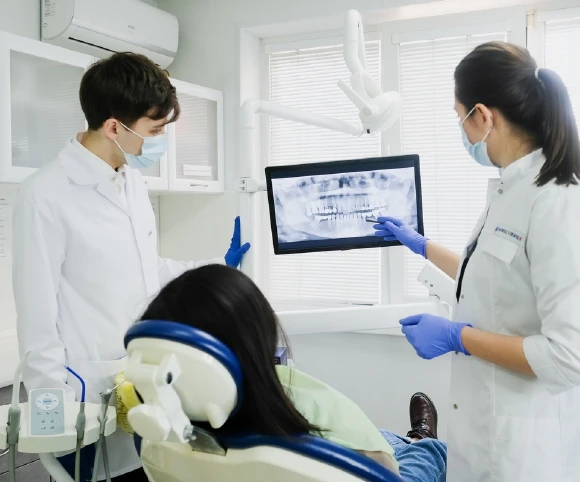
The X-Ray Technician Course In Thane, also known as Radiologic Technology or Radiography, is a specialized training program designed to prepare students to perform diagnostic imaging procedures using X-ray equipment. X-ray technicians (or radiologic technologists) are essential members of the healthcare team, responsible for producing clear, accurate images to assist doctors in diagnosing injuries and diseases.
Program Objectives
The course equips students with the theoretical knowledge and hands-on skills needed to:
Operate X-ray machines and related imaging equipment.
Position patients correctly to obtain quality diagnostic images.
Ensure radiation safety for both patients and themselves.
Assist radiologists and physicians with specialized imaging procedures.
Understand and apply medical ethics and patient care principles.
Maintain accurate patient records and imaging logs.
Course Curriculum
The curriculum typically includes classroom instruction, lab practice, and clinical placements. Key areas of study include:
Human Anatomy & Physiology: Understanding body systems and structures.
Radiographic Procedures: Learning techniques for imaging different body parts (chest, spine, limbs, etc.).
Physics of Radiology: Principles of radiation, image formation, and exposure factors.
Radiation Protection: Safety measures and dosimetry to minimize exposure.
Imaging Equipment Operation: Handling and maintenance of X-ray and fluoroscopy machines.
Digital Imaging & PACS: Introduction to computer-based image storage and retrieval systems.
Patient Positioning & Care: Techniques for ensuring comfort and accuracy during scans.
Medical Ethics & Communication: Building trust and ensuring patient confidentiality.
Program Duration
The X-Ray Technician Course generally ranges from 1 to 2 years, depending on the country, level (certificate, diploma, or associate degree), and institution. Shorter certificate courses (6–12 months) are also available for entry-level technician roles.
Eligibility Criteria
Typical admission requirements include:
High school diploma or equivalent (10+2 with science background preferred).
Basic knowledge of biology and physics.
Good communication and interpersonal skills.
Medical fitness and background check (especially for clinical practice).
Career Opportunities
Graduates of the program can find employment in:
Hospitals (radiology departments)
Diagnostic imaging centers
Orthopedic clinics
Emergency care units
Mobile X-ray units
Private medical practices
With further experience or education, technicians can advance to become:
Radiologic Technologists
CT/MRI Technicians
Radiology Supervisors or Educators
Medical Imaging Specialists
Certification & Licensing
Depending on the country or region, certification from a recognized body may be required or highly preferred. Examples include:
ARRT (American Registry of Radiologic Technologists) in the U.S.
HCPC registration in the UK.
Paramedical Council or Health Boards in countries like India.
Continuing education may be necessary to maintain certification and stay current with technology.