When people shop for work gloves, they usually start with one simple goal: to protect their hands and get the job done. But anyone who has actually worked with tools, cold surfaces, rough materials, or wet equipment knows it is not that simple. The wrong pair can feel stiff, slip at the worst time, or wear out way too fast.
That is why choosing the right gloves matters. OSHA says employers must provide appropriate hand protection when workers face hazards such as cuts, punctures, abrasions, chemical exposure, burns, and harmful temperature extremes. OSHA and NIOSH also stress that PPE is only one layer of protection, so the glove has to match the task, not just look tough.
Why work gloves still matter more than people think
Hands do almost everything on a job. Lifting, gripping, pulling, welding, cleaning, loading, driving, sorting. So when gloves do not fit the real work, productivity drops fast. A slippery grip can slow a car washer. A thin glove can fail in a welding area. And in winter, numb fingers can turn an easy task into a frustrating one.
OSHA guidance is clear that glove selection should be based on the specific hazards involved and the performance characteristics of the material. In other words, there is no single glove for every job. Chemical handling, heat, abrasion, cold, and electrical tasks all require different protection.
What buyers want from Wiping Hub work gloves
If your business is building a glove category around Wiping Hub, the message should feel practical, not exaggerated. Buyers usually care about four things first:
- Reliable grip
- Comfortable fit for long shifts
- Protection matched to the task
- Consistent supply for repeat orders
That is especially true for workshops, warehouses, cleaning teams, automotive businesses, and industrial buyers. Nobody wants to reorder gloves every week because the last batch did not hold up.
Work gloves wholesale makes sense for growing teams
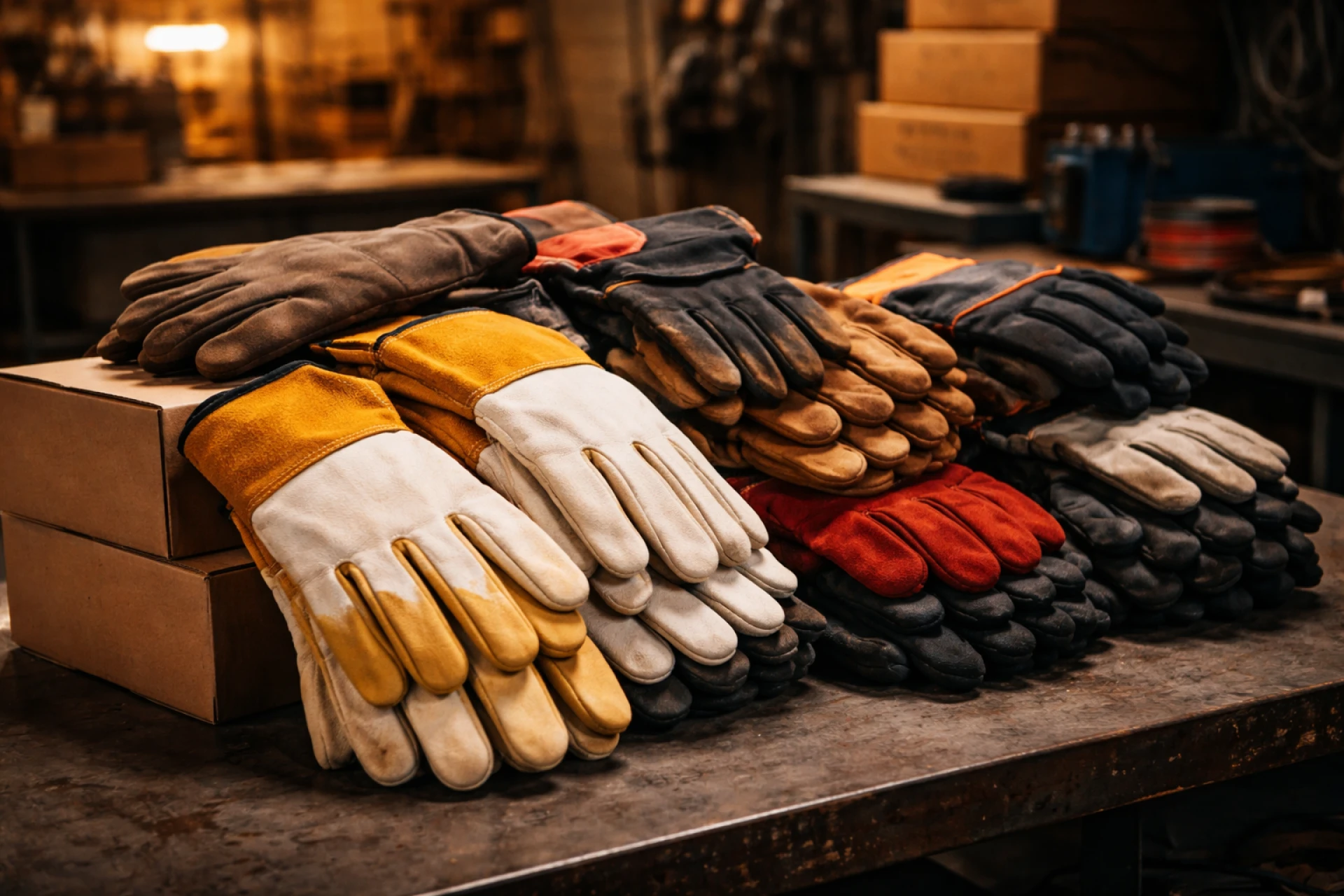
For businesses that buy for crews instead of individuals, work gloves wholesale is often the smarter route. It helps keep glove types consistent across teams, makes reordering easier, and supports better stock planning. The same idea applies to Bulk Work Gloves when you need large quantities for warehouses, maintenance teams, logistics staff, or factory use.
A lot of companies learn this the hard way. One month, they buy whatever is cheapest. The next month, workers complain about fit, grip, or durability. Soon, purchasing becomes messy. Going with a more organized bulk supply approach usually solves that problem.
When Bulk Work Gloves are a good fit
Bulk Work Gloves work well for jobs that need frequent glove replacement or multiple glove types on hand. For example:
- Warehouse packing and loading
- General construction support tasks
- Cleaning and maintenance work
- Automotive service areas
- Landscaping and outdoor labor
The exact glove still depends on the hazard. OSHA recommends matching hand protection to the job rather than relying on one general-purpose choice for everything.
Bulk Driver Gloves for grip and control
Not every buyer needs thick industrial gloves. Some need dexterity first. That is where Bulk Driver Gloves come in. They are often a practical option for drivers, delivery teams, logistics workers, and people who need a steadier grip without losing hand movement.
Think about someone unloading goods early in the morning. They need control of the wheel, control of the boxes, and enough comfort to keep moving. A glove that feels too bulky can become annoying very quickly. That is why driver-style gloves still have a strong place in many fleets and handling teams.
Welding gloves need a different conversation
Welding gloves should never be treated like basic utility gloves. Welding introduces heat, sparks, and contact risks that need task-specific protection. OSHA specifically lists thermal burns among the hazards that require proper hand protection.
So if someone is buying gloves for welding work, the right question is not “Will any tough glove do?” It is “Was this glove chosen for heat and welding exposure?” That distinction matters. A glove that works fine in a warehouse may be the wrong choice next to sparks and hot metal.
Winter work gloves are not just seasonal extras
Cold weather changes everything. Grip changes. flexibility changes. Even focus changes. OSHA warns that cold stress can lead to serious injuries and illnesses, including frostbite, hypothermia, trench foot, and chilblains. OSHA also recommends insulated gloves and water-resistant gloves when needed to protect workers’ hands in cold conditions.
That is why winter work gloves are more than a seasonal add-on. They are a real jobsite need for outdoor crews, delivery workers, construction teams, and anyone handling cold surfaces. The best winter glove is not just warm. It should also let the wearer grip tools, move fingers naturally, and keep working without constant adjustment.
Working gloves for different day-to-day jobs
Some buyers search for working gloves instead of work gloves, but the intent is usually the same. They want gloves that suit real daily tasks. The best way to organize that category is by use case.
For cleaning and detailing teams
Car wash and detailing teams need grip, flexibility, and comfort in wet conditions. Some shoppers even search awkward terms like gloves, car washer towel, especially when they are looking for cleaning accessories together. The important part is understanding the use case behind the search. These buyers usually want gloves that help with repeated wet handling, wiping, scrubbing, and quick movement.
For fitness buyers
Then there is a completely different search intent: gloves to work out. Those are not the same as industrial or warehouse gloves. Gym gloves focus more on grip, sweat control, and palm comfort during training. So if Wiping Hub is building an SEO-friendly category structure, separating workout gloves from jobsite gloves would make the content cleaner and more relevant.
For chemical or specialty use
When chemicals are involved, glove material matters. OSHA and NIOSH note that glove choice should reflect the substance involved, and CDC/NIOSH references different chemical protective materials such as nitrile, neoprene, natural rubber, PVC, and butyl for different exposures.
A simple checklist before buying work gloves
Before placing an order, it helps to ask a few straightforward questions:
- What hazard is the glove protecting against
- Does the job need dexterity, insulation, or heavy-duty protection
- Will workers wear them for minutes or for full shifts
- Are the conditions dry, oily, wet, cold, or hot
- Is this a one-time purchase or a repeat wholesale need
Also, gloves should be checked before use. NIOSH guidance includes inspecting PPE, such as gloves, for damage like tears or pinholes before wearing them. That small habit can save a lot of trouble.
Why Wiping Hub can build trust with the right glove content
A lot of glove pages online say the same thing. Premium quality. Maximum comfort. Best protection. Readers skim that language and forget it instantly. What works better is clear, useful guidance. Explain which glove fits which task. Show the difference between Bulk Driver Gloves, Bulk Work Gloves, welding gloves, and winter work gloves. Speak like someone who understands how these products are actually used.
That approach feels more human. It also makes the page more useful for search engines because the topic stays focused from beginning to end.
Conclusion
The best work gloves are not just about covering the hands. They are about matching real protection to real work. Whether you are buying work gloves wholesale, comparing working gloves for everyday tasks, or sourcing winter work gloves for cold conditions, the smart choice starts with the job itself.
If Wiping Hub wants to stand out, the opportunity is simple: make glove buying easier, clearer, and more practical for real people doing real work.