
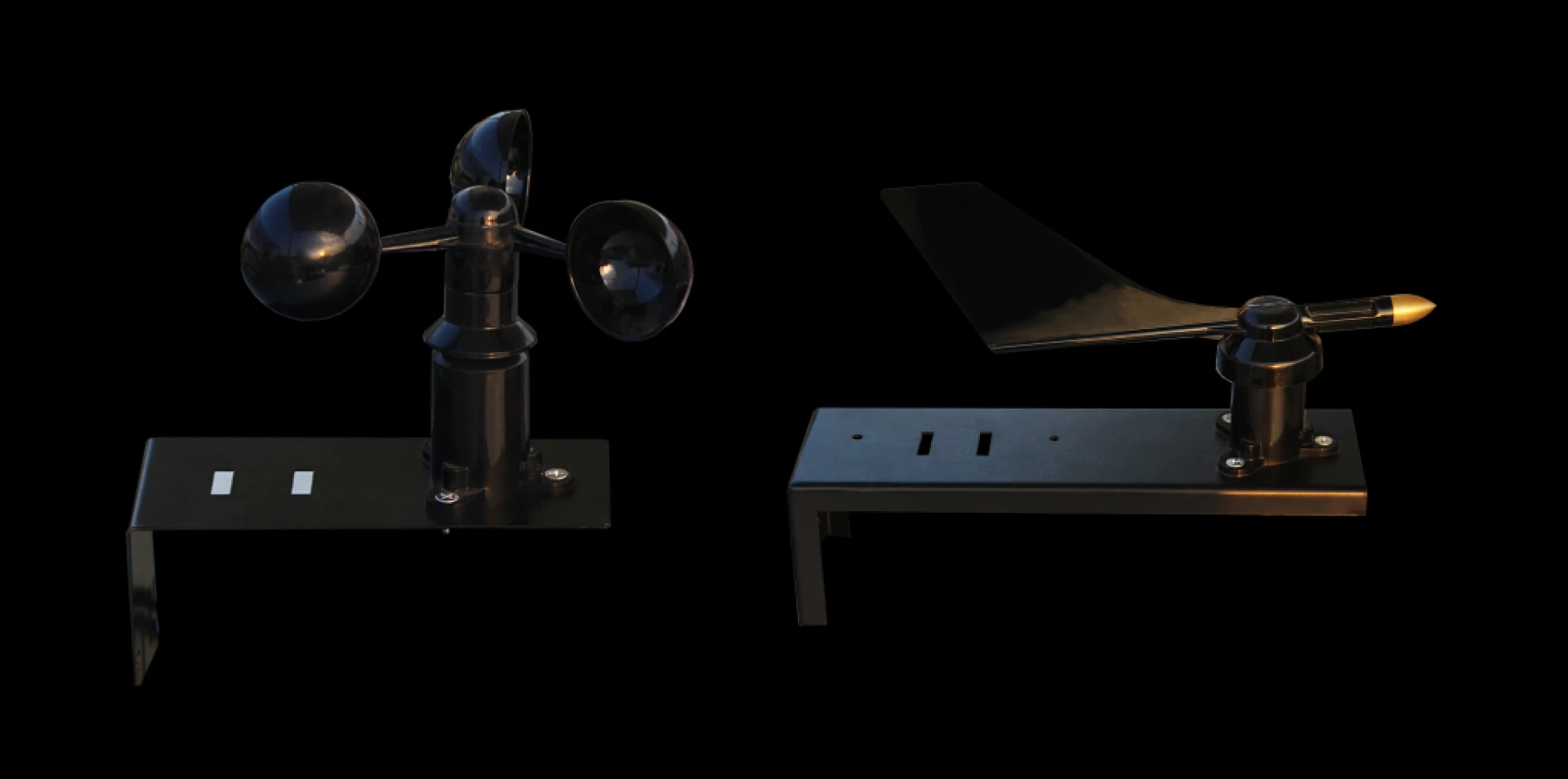
Wind plays a critical role in shaping weather patterns, climate, and environmental conditions. Accurate measurement of wind speed is essential for meteorology, aviation, renewable energy, and disaster management. A Wind Speed Instrument is a device designed to quantify the velocity of moving air, providing reliable data for weather forecasting, climate research, and environmental monitoring. The selection and use of appropriate wind speed instruments are crucial for obtaining precise measurements and making informed decisions.
A Wind Speed Instrument measures airflow using different technologies, ranging from mechanical rotation to ultrasonic and laser-based detection. Modern devices, such as the Wind Speed Instrument from Rika Sensor, are engineered to deliver accurate and real-time measurements, even in challenging environmental conditions. These instruments are widely used in meteorological stations, research facilities, and weather monitoring systems to provide continuous data on wind speed, direction, and variability. By integrating reliable wind data, meteorologists can predict storms, analyze climate patterns, and issue timely warnings for extreme weather events.
Types of Wind Speed Instruments
Cup Anemometers
Cup anemometers are among the most traditional and widely used wind speed instruments. They consist of three or four hemispherical cups mounted on horizontal arms that rotate around a vertical axis. As wind passes through the cups, it causes rotation at a speed proportional to the wind velocity. The rotation is translated into electrical signals, which are then converted into wind speed readings. Cup anemometers are durable, reliable, and suitable for long-term outdoor deployment, making them a staple in meteorological stations worldwide.
Vane Anemometers
Vane anemometers combine a propeller or rotor with a directional vane to measure both wind speed and direction. The propeller measures the airflow, while the vane ensures that the instrument aligns with the wind. This dual capability makes vane anemometers ideal for monitoring changes in wind direction as well as velocity. They are commonly used in meteorology, environmental research, and industrial applications where both speed and directional data are critical.
Hot-Wire Anemometers
Hot-wire anemometers use a fine, electrically heated wire to measure airflow. As wind passes over the wire, it cools down, and the rate of cooling affects the electrical resistance of the wire. This change is measured and converted into wind speed. Hot-wire instruments are extremely sensitive and capable of detecting low air velocities, making them suitable for laboratory experiments, detailed environmental studies, and precise meteorological research.
Ultrasonic Anemometers
Ultrasonic anemometers use ultrasonic sound waves to measure wind speed and direction without relying on moving parts. The instrument sends ultrasonic pulses between transducers, and the travel time of the pulses is affected by the wind. By calculating the differences in travel time, the sensor provides accurate wind speed and directional readings. Ultrasonic anemometers are particularly useful in environments with high turbulence, offshore locations, and research stations where minimal maintenance and high precision are required.
Laser Doppler Anemometers
Laser Doppler anemometers measure wind speed using the Doppler effect, which detects changes in frequency of laser light scattered by moving particles in the air. This technology offers high-resolution measurements and is often used in scientific research, wind tunnel studies, and advanced meteorological investigations. Laser-based instruments are capable of capturing complex airflow patterns that traditional mechanical sensors might miss.
Uses of Wind Speed Instruments in Meteorology
Weather Forecasting
Accurate wind measurements are vital for weather forecasting. Meteorologists use data from wind speed instruments to monitor atmospheric conditions, track storm development, and predict severe weather events such as hurricanes and tornadoes. Real-time wind data helps forecasters issue warnings that protect lives and property.
Climate Studies and Environmental Monitoring
Wind speed instruments contribute to long-term climate research by providing consistent data on wind patterns, variability, and trends. This information helps scientists study climate change, analyze seasonal wind shifts, and understand how wind interacts with other environmental variables. Data from these instruments are also used to model pollutant dispersion and monitor air quality.
Renewable Energy Applications
Meteorologists and energy planners rely on wind speed instruments to assess wind resource potential for renewable energy projects. Accurate measurements of wind speed and direction are essential for determining optimal turbine placement, predicting energy output, and maximizing efficiency in wind farms.
Aviation and Marine Operations
Wind speed instruments are critical for aviation and maritime safety. Pilots and ship captains use wind data to plan flight paths, docking maneuvers, and navigation routes. Sudden gusts or strong winds can be detected early, enabling timely adjustments to maintain safety and operational efficiency.
Conclusion
A Wind Speed Instrument is a vital tool for measuring airflow in meteorology, climate research, renewable energy, and transportation safety. From traditional cup and vane anemometers to advanced ultrasonic and laser-based instruments, these devices provide the data necessary for accurate weather forecasting, energy optimization, and environmental monitoring. Understanding the types of wind speed instruments and their specific applications allows meteorologists, engineers, and researchers to choose the right instrument for their needs, ensuring precise measurements and reliable results.