
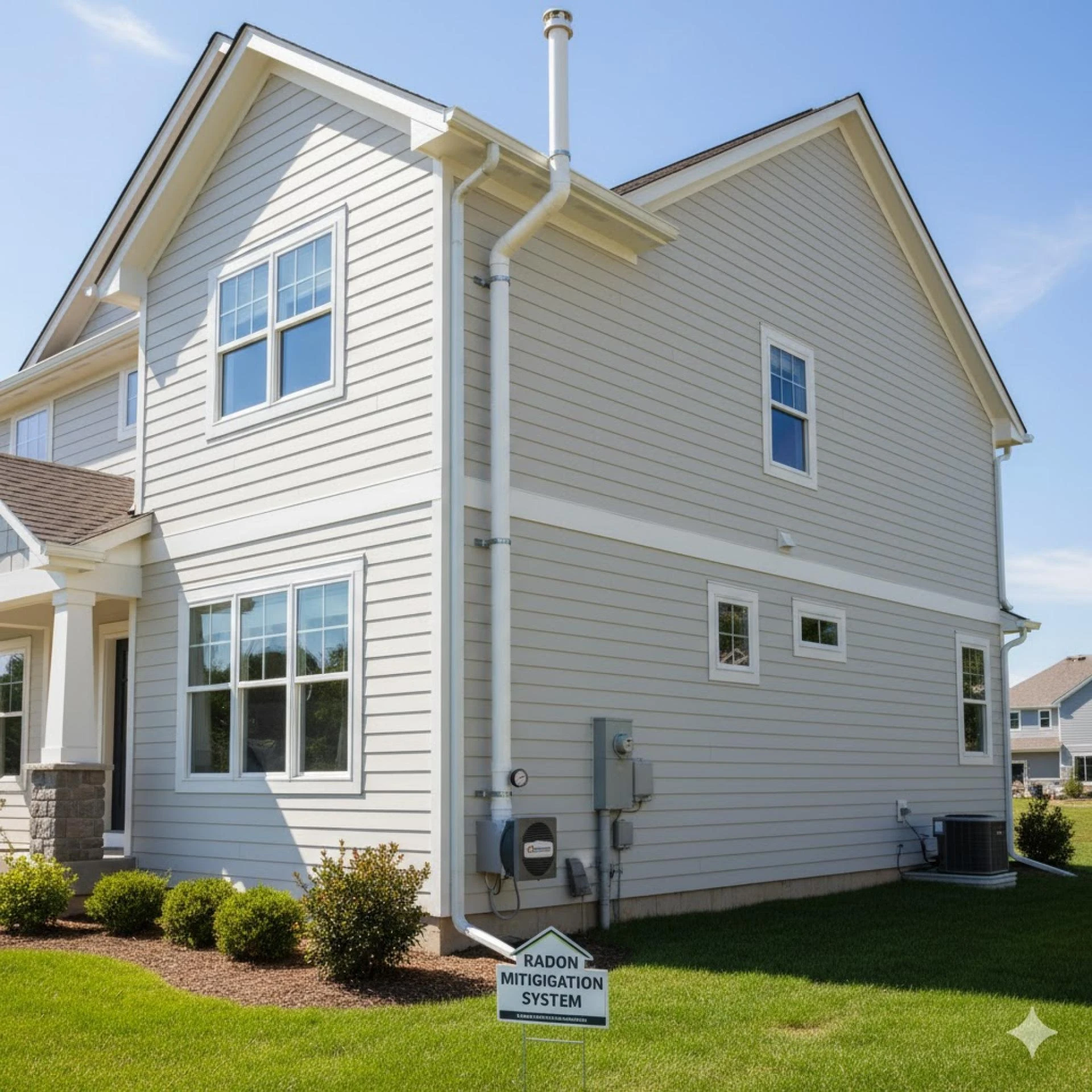
Radon is a silent killer — a colorless, odorless gas that seeps up from the ground and can build up inside homes to dangerous levels. That’s why radon mitigation systems are so important. When they’re working properly, they quietly and effectively protect your family from the second leading cause of lung cancer in the U.S. But when they fail, the consequences can be deadly.
If your radon levels are creeping back up or you’re unsure whether your system is still doing its job, this guide is for you. Let’s uncover why your radon system might be failing, the warning signs to watch for, and most importantly, how to fix it before it’s too late.
1. Understanding How a Radon System Works
Before diagnosing a problem, it helps to understand how your radon mitigation system functions. In most homes, a system uses sub-slab depressurization — a method that pulls radon gas from beneath your foundation and safely vents it above the roofline.
Here’s a quick breakdown:
- PVC piping is installed beneath the slab or crawl space.
- A radon fan continuously draws air (and radon) from below your home.
- The system vents the gas outside, preventing it from entering your living spaces.
When all parts work together, your home stays safe. But if any component fails, radon levels can spike again — often without you realizing it.
2. Common Signs Your Radon System Is Failing
How do you know when your system isn’t working as it should? Look for these red flags:
- The fan is silent or vibrating strangely.
- Condensation or water appears inside the pipes.
- Manometer readings (the U-shaped gauge on your pipe) are flat or unchanged.
- You notice higher radon test results than before.
- The system looks damaged, rusted, or disconnected.
Even a small issue, like a loose vent joint or a failing fan, can compromise your entire system.
3. The Hidden Danger of a Nonfunctional Radon System
Unlike a broken air conditioner or a leaky roof, a failing radon system doesn’t announce itself. You won’t hear alarms, smell gas, or see visible damage in most cases. Meanwhile, radon can silently accumulate, putting everyone in your home at risk.
According to the EPA, radon exposure causes over 21,000 lung cancer deaths each year in the U.S. alone. That’s why every homeowner needs to take system performance seriously. Ignoring maintenance can quickly turn a once-safe home into a health hazard.
4. The Most Common Causes of Radon System Failure
Now that we know what to watch for, let’s break down the most frequent reasons radon systems stop working — and what you can do about each one.
A. Fan Failure
Your radon fan is the system’s heart. It runs continuously — 24/7, 365 days a year. Over time, even high-quality fans wear out. Typical lifespan: 5–10 years.
Symptoms:
- No humming or vibration from the fan
- The manometer reading shows no pressure difference
- Rising radon levels despite a previously working system
Solution: Replace the fan with a model rated for your home’s pressure needs. It’s best to hire a certified radon technician to ensure proper sizing and installation.
B. Electrical Issues
Sometimes the fan isn’t broken — it’s just not getting power. Check:
- The breaker or GFCI outlet is connected to
- Any weatherproof switches near the system
- Loose wiring or corroded connectors outside
Quick fix: Reset the circuit or replace damaged outlets. If you’re not comfortable with electrical work, call a professional electrician.
C. Cracked or Disconnected Piping
Radon systems rely on airtight piping to maintain suction. If a joint cracks, shifts, or separates, the system can leak — reducing pressure and allowing radon to escape into the home.
Solution: Inspect the visible sections of your PVC pipe. Look for cracks, loose fittings, or areas where sealant has degraded. Seal small gaps with radon-rated caulk, but replace damaged pipes when necessary.
D. Blocked or Frozen Exhaust Vent
Outdoor vents are exposed to weather, leaves, and even bird nests. During winter, condensation can freeze inside the pipe, blocking airflow.
Signs:
- Fan becomes unusually loud
- Manometer pressure drops
- Condensation visible near the fan housing
Fix: Clear debris, insulate exterior piping, and ensure the exhaust cap has proper clearance to prevent buildup.
E. Sump Pit or Foundation Changes
If your system draws air from a sump pit or crawl space, recent renovations, waterproofing, or foundation sealing can interfere with airflow. Even new flooring can change the pressure dynamics beneath your home.
Solution: Have a radon professional reassess your system’s suction points to ensure proper coverage after major home upgrades.
5. How to Test Whether Your Radon System Still Works
You can’t fix what you don’t measure. That’s why routine testing is essential — even if your system appears to be running fine.
Short-Term Tests
Use a DIY radon test kit (available online or at hardware stores). Place it in the lowest livable area for 2–7 days, then send it to a certified lab.
Long-Term Tests
These kits remain in place for 90 days to one year, providing a more accurate average radon level.
Continuous Monitors
Digital radon detectors give real-time readings, so you’ll notice if levels start creeping up again.
If readings are above 4.0 pCi/L (the EPA action level), your system needs immediate attention.
6. Maintenance Tips to Keep Your Radon System Running Strong
Prevent failure before it happens with a few simple habits:
- Check your manometer monthly. Make sure the liquid levels are uneven — that means the fan is pulling suction.
- Listen for fan noise. A silent fan means no airflow.
- Inspect outdoor piping annually. Look for cracks, rust, or obstructions.
- Radon test every two years. Even a working system can lose efficiency over time.
- Keep records of all test results and repairs for future reference or when selling your home.
7. When to Call a Professional
DIY fixes are fine for small issues, but radon mitigation systems require expertise. If you notice ongoing high readings, wiring issues, or major system damage, contact a licensed radon contractor. They have specialized tools to measure suction pressure, airflow, and system balance.
Look for contractors certified by:
- NRPP (National Radon Proficiency Program)
- NRSB (National Radon Safety Board)
These professionals can perform diagnostic tests, replace fans, or redesign failing systems safely and effectively.
8. Upgrading an Old or Inefficient System
If your system is over 10 years old, consider an upgrade. Modern radon fans are quieter, more energy-efficient, and better sealed against moisture. Some even include smart monitoring features that track airflow and system pressure remotely.
Upgrades worth considering:
- Energy-efficient ECM radon fans
- Condensation-resistant exterior piping
- Backdraft prevention valves
- Real-time radon monitoring systems
A professional can recommend upgrades tailored to your home’s design and soil conditions.
9. How Much Does Radon System Repair Cost?
Costs vary depending on what’s wrong, but here’s a general guide:
Repair Type Typical Cost Range Fan Replacement $250 – $600 Electrical Repair $100 – $300 Pipe Repair or Replacement $150 – $500 Full System Redesign $800 – $2,500
While these repairs aren’t cheap, they’re minor compared to the health and financial cost of ignoring radon exposure.
10. How to Prevent Future System Failures
You can extend your radon system’s life with proactive care:
- Install a fan cover to shield it from rain and UV damage.
- Use high-quality piping materials designed for radon use.
- Avoid DIY modifications that could reduce airflow.
- Have your system inspected by a radon professional every 2–3 years.
- Add a system alarm that alerts you if the fan loses power.
Remember: A little maintenance goes a long way toward keeping your home safe and your family breathing easy.
11. What Happens If You Ignore a Failing System
Many homeowners assume that once a radon system is installed, it’s “set and forget.” Unfortunately, radon doesn’t work that way. A failing system means radon levels can quietly return to dangerous concentrations within weeks.
The risks include:
- Long-term lung damage
- Increased cancer risk
- Home sale complications (buyers often request radon test results)
- Voided warranties on previous mitigation work
Catching issues early prevents both health hazards and expensive repairs later.
12. The Bottom Line: Don’t Wait to Fix a Failing Radon System
A radon mitigation system is one of the most important investments you can make in your home’s safety — but only if it’s working correctly. Regular testing, inspection, and maintenance are the keys to preventing hidden failures.
If your radon levels have increased, your fan has stopped, or your system looks worn out, don’t delay. Contact a qualified radon mitigation specialist today at Colorado Springs Radon Mitigation to diagnose the problem and restore your home’s protection.
Because when it comes to radon, “out of sight” should never mean “out of mind.”
In summary:
- A working radon system saves lives.
- System failures are common — but fixable.
- Routine testing is your best defense.
- Professional repair ensures lasting safety.
Your home deserves clean air — and your family deserves peace of mind.